Essential Travel Quarantine Tips to Prevent Bed Bug Infestations
Behavioral Insights into Bed Bug Hitchhiking
Bed bug infestations are indiscriminate of cleanliness and result primarily from these pests hitchhiking on personal items. When traveling, adopting a quarantine mindset can significantly reduce the chances of bringing bed bugs into your home. Here’s how to carry out effective bed bug travel quarantine and engage in proactive prevention with advanced odorless treatments.
-
Luggage Management:
- Elevate & Isolate: Always place luggage on racks away from beds and upholstered furniture.
- Encasement: Consider using zippered protective luggage covers throughout your trip.
-
Bed Bug Inspection Tips:
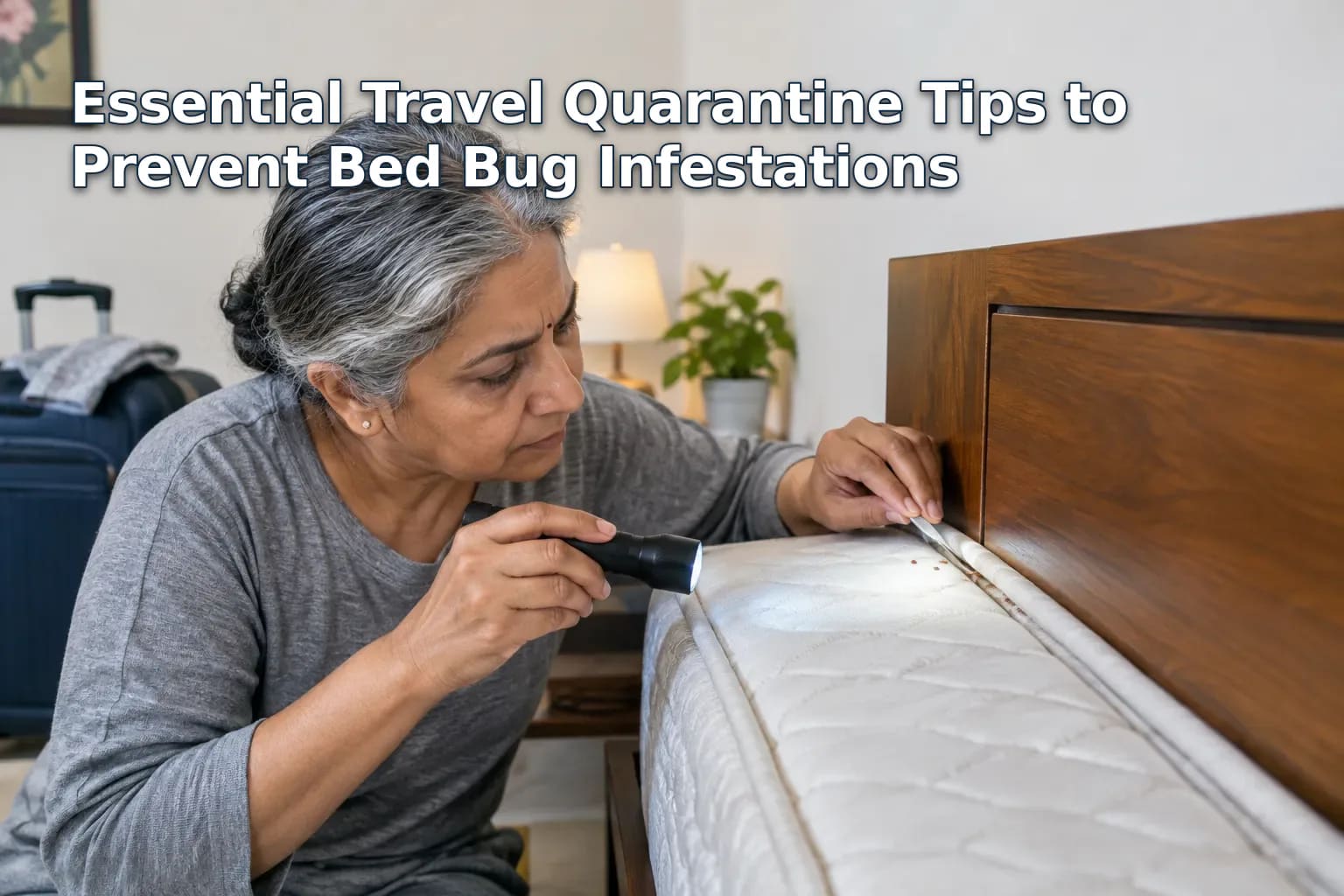
- Spot the Signs: On arrival, inspect mattress seams, box springs, and bed frames for small reddish-brown bugs or specks.
- Use a Flashlight: A compact flashlight can help in spotting these nocturnal hitchhikers in dark crevices.
-
Prevent Bed Bugs While Traveling:
- Clothing Precautions: Store worn clothes in sealed plastic bags; wash immediately in hot water when returning home.
- Pier to Identification: When in hotels, place interceptor traps under bed legs; these are crucial for identifying potential infestations early.
-
Odorless Bed Bug Treatment Approach:
- Micro-Encapsulated Formulations: On return, utilize professional odorless treatments that focus on safe, micro-encapsulated solutions.
- Barrier Methods: Implement structural exclusion techniques, such as sealing cracks and crevices, to enhance physical barriers against bugs.
-
Bed Bug Infestation Prevention:
- Regular Inspections: Incorporate frequent inspections into home maintenance routines, focusing on high-risk areas such as bedrooms and laundry rooms.
- Professional Assessment: For absolute peace of mind, engage pest management professionals familiar with odorless treatment protocols.
Remember, bed bugs are not an indicator of poor hygiene; they are opportunistic travelers that can infiltrate any environment through strategic hitchhiking. Preventive measures, coupled with professional interventions using odorless solutions, safeguard both travelers and their homes from these resilient pests.
Inspection Checklist for Safe Accommodation Settling
Begin your bed bug travel quarantine immediately upon arrival by conducting a thorough inspection of your accommodation. This proactive measure is foundational to prevent bed bugs from hitching a ride home. Here are essential bed bug inspection tips for ensuring a safe stay and avoiding infestations:
-
Luggage Management: Keep your bags elevated on luggage racks away from walls or beds. Utilize a bathroom, which is unlikely to harbor bed bugs, as a temporary bag storage area during your initial inspection.
-
Visual Inspection:
- Mattress and Bed Frame: Pull back bedding and inspect seams, tufts, and tags for signs of bed bugs, like reddish-brown spots or molted exoskeletons.
- Headboard and Nightstands: Use a flashlight to search the headboard and gaps between furniture pieces.
- Artwork and Upholstery: Examine wall hangings and upholstered furniture crevices for hidden pests.
-
Odorless Bed Bug Treatment Tools:
- Zippered Mattress Encasements: Ensure all beds have these protective barriers in place. They prevent bed bug access to hard-to-clean bedding.
- Interceptor Traps: Position these under bed legs for real-time monitoring of bed bug activity.
-
Structural & Environmental Checks:
- Baseboards and Corners: Pay attention to these areas using a credit card to check cracks and crevices where bed bugs might hide.
- Closets and Drawers: Inspect seams and beams in storage units before use to ensure your clothing stays clear of contaminants.
Practice these measures consistently and communicate any issues immediately to hotel management. Remember, an infestation is not linked to cleanliness and can occur anywhere. By employing these preventive methods, especially odorless bed bug treatments, you significantly reduce your risk of a bed bug encounter while traveling. For persistent concerns, consider professional pest control that employs safe and specialized odorless formulations for peace of mind and effective protection.
Protecting Luggage and Personal Items from Infestation
Preventive bed bug travel quarantine starts with vigilant luggage and personal item management to safeguard against potential infestations. Begin by inspecting the room upon arrival, focusing on seams and crevices of mattresses and upholstery where bed bugs typically hide. Use a flashlight to check for signs such as small dark spots or shed skins.
Implement these crucial steps to minimize risk:
-
Luggage Management:
- Always keep bags off the floor. Utilize luggage racks and store suitcases in sealed plastic bags when not in use.
- Select hard shell luggage over fabric to limit bed bugs' entry points.
- Utilize zippered mattress encasements and interceptor traps as a proactive measure in infested areas.
- Upon returning home, immediately wash and dry all clothing on the highest permissible heat setting to eliminate any potential hitchhikers.
-
Personal Item Protocol:
- Store personal items in sealed bags or containers. Bed bugs are excellent hitchhikers but require openings to infest.
- Inspect shoes, toiletry bags, and electronics’ cases for any stowaway bugs before bringing them inside.
-
Odorless Bed Bug Treatments:
- If infestation evidence is detected, utilize advanced odorless formulations specifically designed for immediate action without compromising indoor air quality.
- Consult professional pest control services to apply targeted odorless treatments and ensure comprehensive coverage, particularly for hidden areas.
Keeping a checklist for bed bug inspection tips can help:
- Look for live bugs or small rust-colored spots on bedding.
- Check seams and edges of cushions, mattresses, and headboards.
- Review luggage and clothing for bugs before repacking.
These preventive measures, coupled with prompt professional follow-up using modern, non-invasive control methods, mitigate the risk of bringing unwanted guests home. Remember that encountering bed bugs is not an indicator of poor hygiene; their stealthy nature and preference for clean environments necessitate careful precaution and control.
Utilizing Professional Odorless Treatments for Prevention
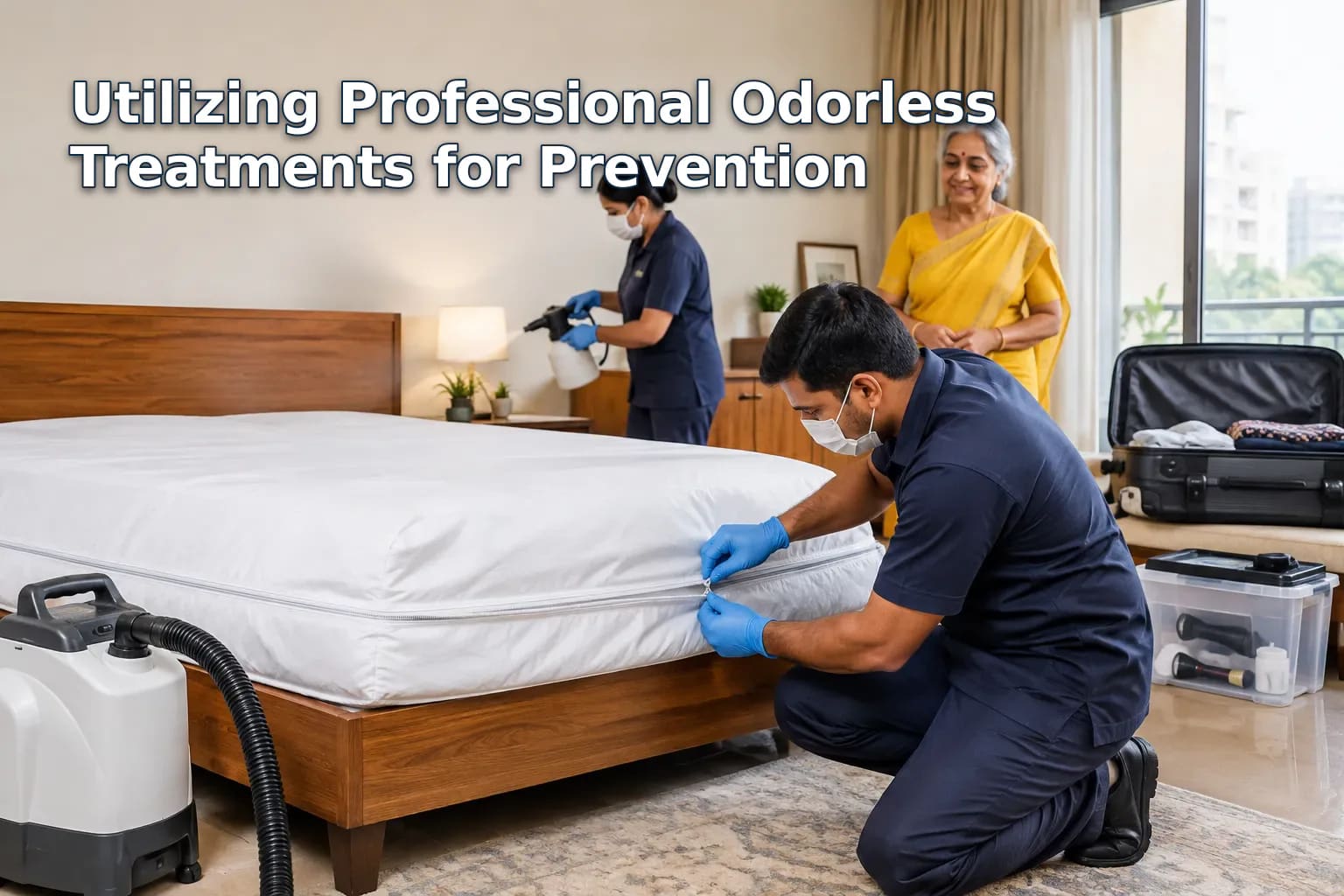
Travel quarantine practices are crucial in preventing the spread of bed bugs, and professional odorless treatments offer a meticulous approach to safeguard your belongings. Since bed bugs can easily hitchhike via luggage and clothing, employing strategic measures during travel and upon returning home is essential.
Here are some detailed recommendations:
-
Perform Thorough Inspections:
- On arrival, carefully inspect hotel beds, headboards, and furniture joints for signs of bed bugs.
- Use a flashlight to check seams and edges of mattresses and box springs.
- Look for small rust-colored stains or live bugs in crevices and around bed frames.
-
Implement Safe Personal Belonging Management:
- Keep luggage elevated away from the bed and walls, placing it on a rack or in the bathroom.
- Utilize sealed, zippered bags for clothing and personal items while traveling.
- Upon return, wash clothing in hot water and dry on the highest setting safe for the fabric to kill hitchhiking bed bugs.
-
Opt for Professional Odorless Treatments:
- Choose advanced odorless micro-encapsulated formulations for a safe and effective perimeter barrier.
- Use interceptor traps beneath bed legs to detect infestations early and provide a control point.
- Have professionals encase mattresses and box springs with zippered, bed bug-proof covers to prevent establishment and spread.
-
Engage in Preventive Bed Bug Inspection Tips:
- Regularly inspect household furnishings and sleeping areas for signs of bed bugs.
- Immediately address any suspicious findings with a professional odorless treatment regimen.
Investing in professional odorless bed bug treatments ensures long-term peace of mind. These treatments are not only highly effective but also support a healthy home environment, free from odors and toxic residues. Remember, bed bug infestations are unrelated to cleanliness; they arise from travel and entry points, making vigilant management and professional intervention key to prevention.
Selecting Bed Bug-Proof Travel Accommodations
Selecting the right accommodation is paramount in your quest to maintain a bed bug-free travel experience. Begin by utilizing reputable booking platforms that allow for robust customer reviews, helping identify potential problem areas. Choose accommodations with frequent high ratings for cleanliness and no reported issues of bed bug encounters. Upon arrival, conduct a personal bed bug inspection to confirm the safety of the environment:
-
Inspect the Bed:
- Carefully examine the mattress seams, edges, and tags for signs of bed bugs, such as small rust-colored stains or live insects.
- Use a flashlight to check under the mattress and behind the headboard, as these areas are common hiding spots.
-
Inspect Furniture and Luggage Holding Areas:
- Look behind framed pictures and within the crevices of bedside cabinets and chairs.
- Ensure luggage stands are provided and use them to keep your bags off the floor and away from walls.
If any signs of bed bugs are found, inform the hotel management immediately and request a change of room or accommodation. For enhanced protection, employ our recommended odorless bed bug treatments to safeguard your belongings. These treatments include thorough utilization of micro-encapsulated formulations that create a safe barrier without resorting to odorless, pet-safe formulations odors.
When packing, incorporate preventative measures:
- Zippered Encasements and Interceptor Traps:
- Use zippered encasements on your travel luggage and bedding to hinder bed bug access.
- Place interceptor traps under beds or around luggage to monitor potential activity discreetly.
Implementing these practical strategies can dramatically reduce the risk of encountering a bed bug infestation. Remember, bed bugs can occur in any environment, clean or otherwise, as they are transported via hitchhiking. By following these careful practices, you employ proactive bed bug infestation prevention while maintaining a stress-free travel experience. For ongoing peace of mind, consider regular consultations with a pest management professional for guidance tailored to your travel habits.
Frequently Asked Questions
What are the first signs of a bed bug infestation when traveling?
The first signs of a bed bug infestation include small reddish-brown bugs, dark spots on bedding, and itchy welts on your skin from bites. Inspect your accommodations thoroughly and use a flashlight to look in dark crevices.
How can I protect my luggage from bed bugs during travel?
Protect your luggage by elevating it on racks away from beds, using zippered protective covers, and keeping worn clothes in sealed plastic bags until they can be washed on high heat.
Are odorless treatments effective against bed bugs?
Yes, odorless treatments are effective and often use micro-encapsulated formulations. These are safe for use upon returning from travel and help eliminate potential bed bug infestations without any unpleasant odors.
What should I do if I suspect bed bugs in my hotel room?
If you suspect bed bugs, notify hotel management immediately, request a room change, and perform a thorough inspection of the new accommodation. Use interceptor traps to catch any bed bugs early on.
Related Guides
- Effective Strategies to Quarantine Belongings Post Bed Bug Infestation Safely
- Non-Chemical Bed Bug Prevention Strategies
- Effective Odorless Khatmal Control Services in Mumbai
- How to Inspect Used Furniture for Bed Bugs: A Comprehensive Guide
- Protect Your Mumbai Mattress from Bed Bugs: Effective Strategies
- How to Implement an Effective Travel Quarantine to Prevent Bed Bug Infestations
Need Immediate Bed Bug Relief in Your Home?
BedBugsTreatment.co.in offers government-approved chemicals, same-day inspection visits, and a 12-month service warranty across India.