How to Inspect Used Furniture for Bed Bugs: A Comprehensive Guide
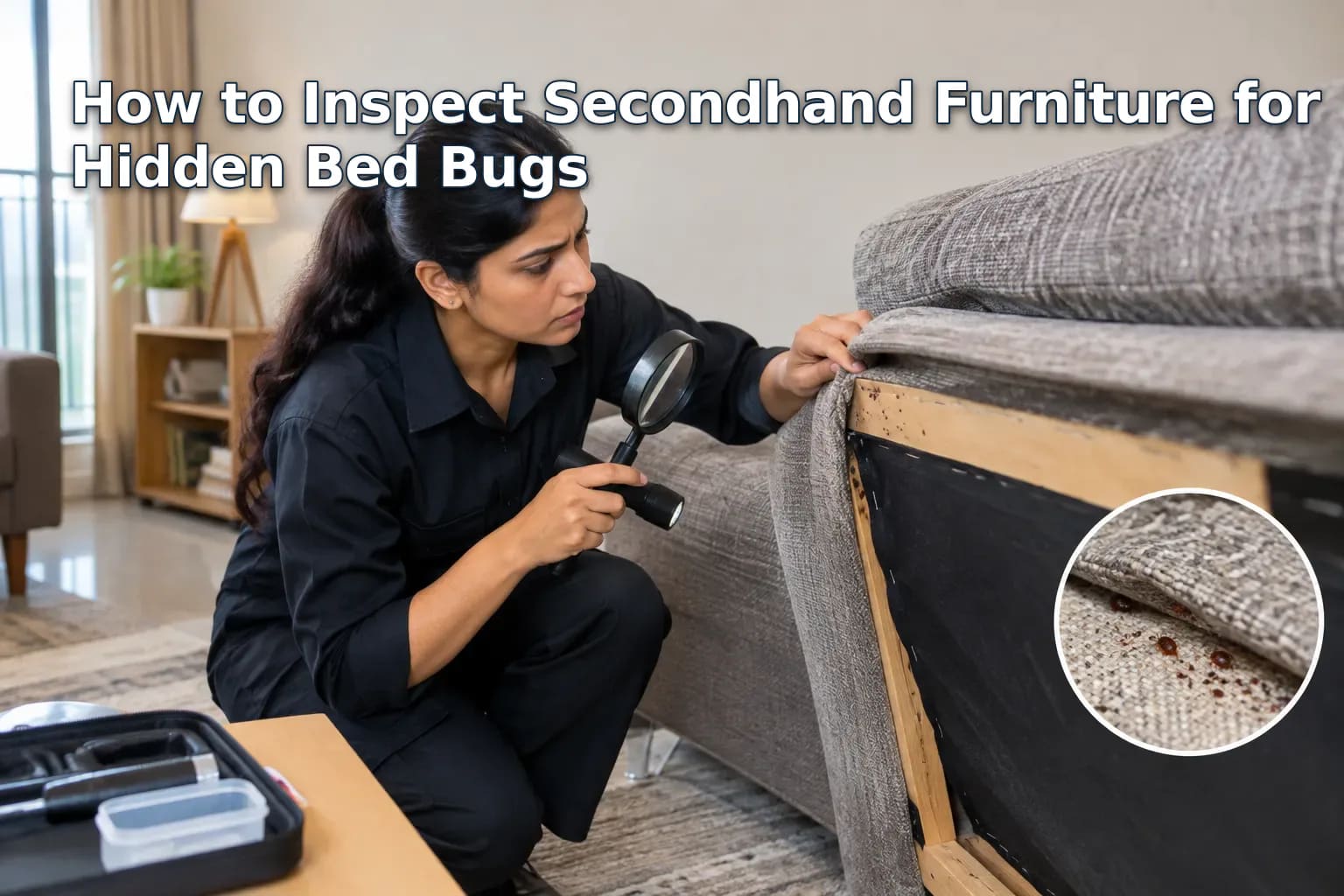
Signs of Bed Bug Infestation
Inspecting secondhand furniture for bed bugs before bringing it into your home is essential to preventing an infestation. Start with a bright flashlight and a magnifying glass to meticulously examine every crevice. Here's a practical checklist for conducting a thorough inspection:
-
Visual Check: Look for live bed bugs, which are small, brownish insects, or their nymphs, which appear translucent or pale yellow. Pay special attention to seams, zippers, and folds of fabric or upholstery. Bed bugs, although small, can be seen with a careful eye.
-
Interception of Eggs and Nymphs: Bed bug eggs are pearly white and resemble tiny grains of rice. Inspect gaps in joints, seams, and under any fabric folds. Nymphs, often found in similar areas, require careful observation as they molt through five stages before maturing.
-
Search for Fecal Spots and Skins: Bed bugs leave behind dark, rust-colored spots which are digested blood, as well as shed skins. These indicators often confirm the presence of bed bugs if visible on wooden frames or fabric.
-
Odorless Treatment Awareness: Even in the absence of live bugs, certain effective odorless treatments can be proactively applied to prevent potential problems. This includes using specialized micro-encapsulated formulations that remain undetectable by smell, ensuring safety while protecting against infestation.
-
Concealed Harborage: Furniture joints, behind cushions, under any detachable parts, and in mattresses are common hiding grounds. Use crease-openers to gently access these areas without damaging the furniture. Utilize zippered encasements where possible to add an additional layer of protection.
Remember, finding bed bugs in secondhand furniture is not a reflection of cleanliness. Bed bugs are expert hitchhikers and thrive in any environment. Adopting integrated pest management practices with a focus on professional and odorless treatment methods will keep your home safeguarded and stress-free.

Detailed Inspection Checklist for Secondhand Furniture
When acquiring secondhand furniture, a meticulous inspection for bed bugs is both a preventive measure and a step towards peace of mind. Bed bugs, adept at hitchhiking, can infiltrate even spotless environments without any indication of poor hygiene. Follow this checklist to thoroughly inspect for hidden bed bugs:
-
Gather Inspection Tools:
- Flashlight: Essential for illuminating dark crevices.
- Magnifying Glass: Helpful to spot small eggs and nymphs.
- White Sheet or Towel: Spread beneath furniture to catch any dislodged pests.
-
Examine Upholstered Items:
- Seams and Tufts: Use a flashlight to meticulously check seams, piping, and tufts where bed bugs might hide.
- Zippers and Tags: Inspect areas around zippers and labels—common entry points for these pests.
- Cushion Undersides: Turn over cushions to uncover the less visible sides beneath them.
-
Wooden Furniture Checkpoints:
- Joints and Crevices: Shine a flashlight into joints and crevices to detect any movement or potential habitats.
- Drawer Grooves: Remove drawers and inspect their undersides and track systems.
- Carvings and Decorative Features: Utilize magnification to assess detailed carvings or filigree work.
-
Frameworks and Mattresses:
- Bed Frames: Check for bed bugs where the frame joins.
- Mattress Encasements: A mattress encasement deters infestation but should be inspected for signs of breach.
-
Signs of Infestation:
- Excreta Marks: Look for small black smears resembling ink spots.
- Shed Skins and Eggshells: Tiny translucent nymph molts and whitish eggs may be present.
Upon discovery of any suspicious signs, it is crucial to consult with professionals for odorless treatment services, focusing on micro-encapsulated applications and exclusion techniques. These neutral, non-intrusive methods ensure comprehensive protection and peace of mind without harmful chemicals. Always prioritize professional, integrated pest management for lasting and effective solutions.
Safe Cleaning Methods Before Bringing Indoors
Ensuring your secondhand furniture is bed bug-free requires a rigorous inspection protocol that is both methodical and thorough. Begin by selecting a brightly lit area, ideally outdoors, for a detailed examination. Use the following checklist to cover all critical inspection points:
-
Visual Scanning: Inspect seams, creases, and folds in upholstered furniture. Pay special attention to dark corners and joints where bed bugs might be hiding.
-
Surface Examination: For wooden or metal furniture, look for small dark spots or shed skins using a magnifying glass. These are critical indicators of bed bug presence or previous activity.
-
Flashlight Inspection: Use a flashlight to illuminate potential harborage areas, including cracks and crevices. Bed bugs are nocturnal and adept at hiding in shadowed zones.
-
Tactile Check: Run your hands across surfaces to detect any unusual textures or small bumps, which could indicate hidden bed bugs or their eggs.
-
Bed Bug Interceptors: Place these traps temporarily beneath furniture legs when setting it indoors. This creates a safe, early detection system allowing you to monitor for signs of infestation.
-
Micro-Encapsulated Odorless Treatments: Treat suspicious furniture with targeted, safe applications of specialized odorless formulations. This preemptive step effectively eliminates hidden pests without the toxic residues associated with traditional chemicals.
-
Sealed Encasements: For mattresses or upholstered items, consider using zippered encasements which provide additional protection and help contain any undetected infestations.
Finally, remember that finding bed bugs isn’t an indication of uncleanliness. These elusive pests travel by hitchhiking, and infestations may occur in pristine conditions. Opt for professional guidance when needed, ensuring a pest-free home environment through integrated pest management techniques and safe residential inspection practices.
Professional Odorless Solutions for Treating Infestations
When inspecting secondhand furniture for hidden bed bugs, precision is paramount. Begin with a thorough and methodical examination to ensure no detail goes unnoticed. This initial inspection is crucial in preventing infestations before they start, preserving peace of mind and hygiene.
Here’s a step-by-step guide to inspecting furniture effectively:
-
Preparation: Equip yourself with essential tools such as a flashlight and magnifying glass to better view potential hiding spots. Wear protective gloves to safely handle items.
-
Visual Inspection: Start with a detailed visual scan. Focus on seams, zippers, and edges where bed bugs often hide due to their flattened bodies.
-
Disassembly: If possible, dismantle furniture pieces to examine joints and internal frame components. Pay special attention to any crevices that provide protective cover.
-
Signs of Infestation:
- Live insects: Typically small, brown, and oval-shaped.
- Shed skins: Pest skins are often translucent.
- Fecal spots: Look for dark, rust-colored spots or stains.
- Eggs and eggshells: Tiny, white, and typically clustered.
-
Use of Interceptor Traps: These can be strategically placed around furniture to monitor bed bug activity and act as an early detection system.
-
Odorless Insecticides: Employ non-toxic, micro-encapsulated contacts that provide long-lasting results without disturbing your living environment’s olfactory peace.
-
Professional Verification: If suspicious signs are detected, seek professional assessment. Opt for services specializing in odorless treatments to ensure effective yet family-safe solutions.
Bed bug infestations can occur irrespective of cleanliness or lifestyle, as these pests are adept at hitchhiking. Implementing these strategies helps ensure a secondhand purchase doesn’t become a costly infestation. Professional services, dedicated to odorless and effective treatments, offer the reassurance that your home will remain a safe haven, devoid of unwelcome guests.
Long-term Monitoring and Prevention Strategies
Ensuring that secondhand furniture is free from bed bugs involves a thorough inspection and implementing prevention strategies. Start by meticulously examining all parts of the furniture, focusing on particular areas where bed bugs are known to hide. This includes seams, zippers, and tufts on mattresses, as well as undersides of furniture, inside drawers, and corners hidden from plain sight. Pay special attention to any dark spots or tiny exoskeletal remains which are indicative of bed bug presence.
For a systematic check, consider the following actionable steps:
- Visual Inspection: Use a flashlight to inspect all crevices and seams. Bed bugs are small, reddish-brown, and oval-shaped. Look for live bugs, eggs (tiny and translucent), or fecal spots (often appearing as small black dots).
- Interceptor Traps: Before bringing furniture indoors, place interceptor traps under each leg of the furniture. These traps help to monitor unwelcome hitchhiking bed bugs trying to move into new territory.
- Physical Barriers: Utilize zippered mattress and pillow encasements which can trap any invisible intruders, preventing them from nesting in and spreading through the furniture.
- Professional Consultation: Consult pest management professionals using specialized odorless micro-encapsulated formulations for comprehensive inspection and long-term prevention. This approach is safe and non-invasive, ensuring peace of mind without relying on toxic treatments.
For further reassurance, practice ongoing vigilance by implementing periodic checks with interceptor traps and maintaining a routine inspection habit. Remember, bed bugs are nocturnal and skilled hitchhikers, so an inspection should become a recurrent preventive measure, especially when acquiring used furniture.
Through these trusted odorless interventions and regular inspections, secondhand furniture can be confidently integrated into your living space without fear of infestation. These proactive strategies are essential in monitoring and maintaining a bed bug-free environment, aligning with integrated pest management principles and ensuring long-term protection.
Frequently Asked Questions
What are the common signs of bed bugs in furniture?
Common signs of bed bugs in furniture include small brownish insects (adult bed bugs), pale yellow nymphs, pearly white eggs, dark rust-colored fecal spots, and shed skins. You may also notice an unusual, musty odor, though this is less common.
How can I prevent bringing bed bugs home from used furniture?
To prevent bringing bed bugs home, thoroughly inspect the furniture with a flashlight and magnifying glass. Look for visible bugs, eggs, and residue. Consider applying preventive odorless treatments even if no evidence is found. Encase the furniture in protective covers if possible.
What are some effective ways to treat used furniture for bed bugs without chemicals?
Non-chemical treatments include steam cleaning, heat treatments, and using diatomaceous earth, which is a natural powder that dehydrates bed bugs. Vacuuming and thorough cleaning with hot soapy water can also eliminate some pests.
Why is odorless treatment recommended for bed bugs in furniture?
Odorless treatments are recommended because they do not leave a detectable smell or residue, making them safer for indoor use. These treatments, such as micro-encapsulated formulations, can prevent infestations without affecting indoor air quality.
Related Guides
- Protect Your Bangalore Home from Bed Bugs: Effective Strategies
- Effective Odorless Bed Bug Treatment in Pune | Khatmal Pest Control
- Comprehensive Guide to Bed Bug Treatment in Mumbai
- Effective Odorless Khatmal Control Services in Mumbai
- Odorless Bed Bug Treatment Preparation
- Preparing Pune Homes for Odorless Bed Bug Treatment
- Comprehensive Guide to Eliminating Bed Bugs in Bangalore
Need Immediate Bed Bug Relief in Your Home?
BedBugsTreatment.co.in offers government-approved chemicals, same-day inspection visits, and a 12-month service warranty across India.