Protect Your Mumbai Mattress from Bed Bugs: Effective Strategies
Mumbai's warm climate and dense living conditions make bed bug infestations a significant concern, especially in areas with shared accommodations. Protecting your mattress from bed The 5 Strongest Bed Bug Sprays That Actually Kill Eggs Too is crucial for maintaining a healthy living environment. Understanding how these pests operate, implementing preventive measures, and knowing when to call for professional assistance can safeguard your sleep space from these unwelcome invaders. Start with a quick protection checklist, learn about the nature and behavior of bed bugs, and discover how to choose the right tools to keep them at bay. (see EPA bed bug control guide)
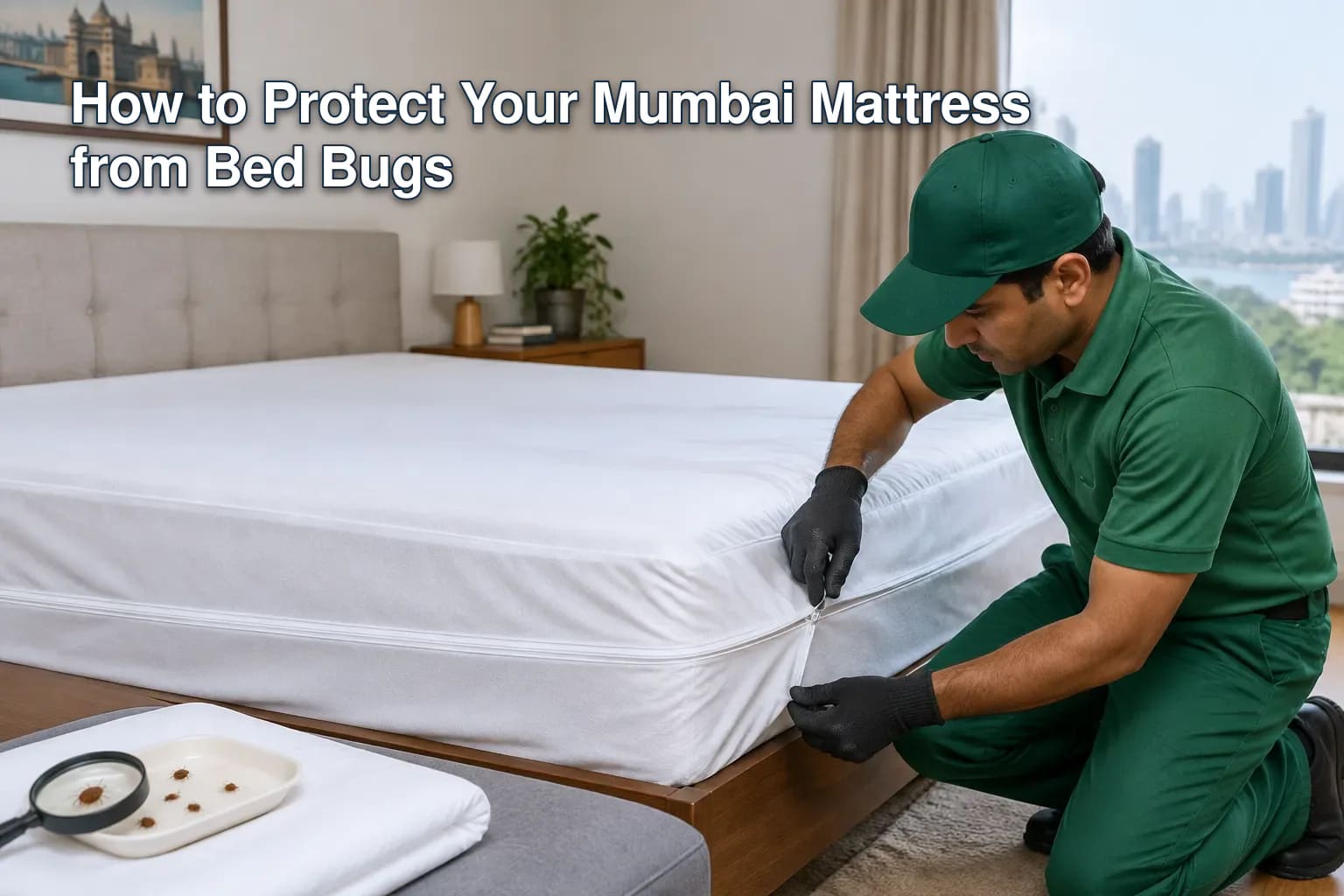
Quick Protection Checklist for Mumbai Mattresses
-
Encasement: Use a high-quality, bed bug-proof mattress encasement to seal off the habitat.
-
Sustained lethal odorless treatment requires controlled exposure—typically 48°C to 50°C (118°F to 122°F) maintained for a specified duration to penetrate mattresses and structural harborages.
-
Declutter: Reduce clutter in your bedroom to eliminate hiding places and facilitate inspections.
-
Interceptors: Place bed bug interceptors under bed legs to monitor and trap bed bugs attempting to climb up.
-
Used Furniture Caution: Avoid bringing in second-hand furniture without thorough inspection and treatment.
-
Regular Monitoring: Conduct visual checks for signs of infestation like black fecal spots or shed skins [E002].
These steps form a foundational strategy to protect your mattress from potential infestations.
Understanding Bed Bugs and Their Risks
Bed bugs are small, nocturnal insects that feed on human blood. They cannot fly or jump but move by crawling and hitchhiking on luggage, clothing, or used furniture [E001]. This makes them a significant concern in densely populated areas like Mumbai, where they can easily spread through adjoining homes and apartments. Although bed bugs do not transmit diseases, they can cause itchy welts and impact mental well-being due to anxiety and sleep disturbances [E003]. Recognizing their mode of travel and the potential health risks associated with an infestation highlights the importance of proactive prevention.
How Do Bed Bugs Spread?
Bed bugs spread primarily through human activity. They latch onto luggage, clothing, and even personal items, making travel a common way for them to spread. In Mumbai, where public transport and shared accommodations are prevalent, the risk of bed bugs hitchhiking increases. They can also move between apartments through cracks in walls or floors, making it essential to maintain vigilance even if your home is currently bed bug-free.
What Attracts Bed Bugs?
Bed bugs are attracted to warmth and carbon dioxide, which is why they often feed on humans while they sleep. They are not drawn to dirt or grime, so even the cleanest homes can fall victim to an infestation. This misconception often leads to delayed action, allowing the infestation to worsen.
Choosing the Right Mattress Cover
To effectively protect your How to Dispose of a Mattress with Bed Bugs Safely in Mumbai, investing in a high-quality mattress encasement is crucial. These covers completely encase the mattress, preventing bed bugs from entering or leaving. Look for encasements labeled specifically as bed bug proof, which means they have been tested to prevent the penetration of the bugs. Breathability is also important, especially in a humid climate like Mumbai’s; select a cover made from materials that allow airflow to prevent moisture buildup. Ensure the encasement has a secure, well-constructed zipper and reinforced seams, as these are points where bed bugs might gain access if poorly designed.
Features to Look For in a Mattress Encasement
When selecting a mattress encasement, consider the following features:
- Zipper Quality: A high-quality zipper is essential to prevent bed bugs from entering or escaping the encasement.
- Material: Opt for breathable materials that prevent moisture buildup, which can lead to mold.
- Durability: Reinforced seams and strong fabric ensure longevity and effectiveness.
- Ease of Cleaning: Choose encasements that are easy to remove and wash, maintaining hygiene and effectiveness.
Steps to Prevent a Bed Bug Infestation
Preventing a bed bug infestation requires vigilance and strategic practices:
-
Regular Vacuuming: Vacuum your home frequently, particularly the bedroom, to remove any bed bugs or eggs. Dispose of vacuum bags immediately outside the home.
-
Check Luggage Post-Travel: After traveling, inspect your luggage closely. Bed bugs are known to hitchhike in suitcases.
-
Be Mindful of Visitors: Bed bugs can arrive with guests. Ask about any prior infestations and offer alternative accommodation if necessary.
-
Elevate and Isolate: Elevate beds from walls and ensure linens do not touch the floor, reducing access routes for bed bugs.
-
Floor Barriers: Using double-sided tape around bed legs can effectively trap and prevent bed bugs from climbing.
Additional Preventive Measures
- Seal Cracks and Crevices: Regularly inspect and seal any cracks in walls or floors to prevent bed bugs from moving between rooms or apartments.
- Use Protective Covers on Pillows: Just like mattresses, pillows can also be encased to prevent bed bug infestations.
- Regular Inspections: Schedule regular inspections by professionals, especially if you live in a high-risk area.
These practices form a comprehensive approach to mitigating bed bug risks, reducing the chances of infestation in residential settings.
Signs Your Mattress Has Bed Bugs
Identifying the signs of bed bugs early can make a significant difference in managing an infestation. Look for:
-
Bite Clusters: Small, red bites often in a linear or clustered pattern on exposed skin, though they alone cannot confirm infestation [E002].
-
Fecal Spots: Dark spots on sheets or How to Get Rid of Bed Bugs in Your Mattress for Good seams, where bed bugs feed and excrete.
-
Shed Skins and Eggs: Light brown exoskeletons and tiny, white eggshells along seams or crevices.
-
Live Bugs: Active bugs are visible upon lifting mattresses or inspecting cracks and crevices in the frame.
How to Conduct a Thorough Inspection
- Inspect Seams and Tags: Bed bugs often hide in the seams and tags of mattresses, so inspect these areas closely.
- Check Bed Frames and Headboards: Use a flashlight to look for signs of bed bugs in the joints and crevices of bed frames and headboards.
- Examine Nearby Furniture: Bed bugs can spread to nearby furniture, so check nightstands, dressers, and even curtains.
Physical evidence of live bugs or remnants like eggshells provides the necessary confirmation to take action against an infestation.
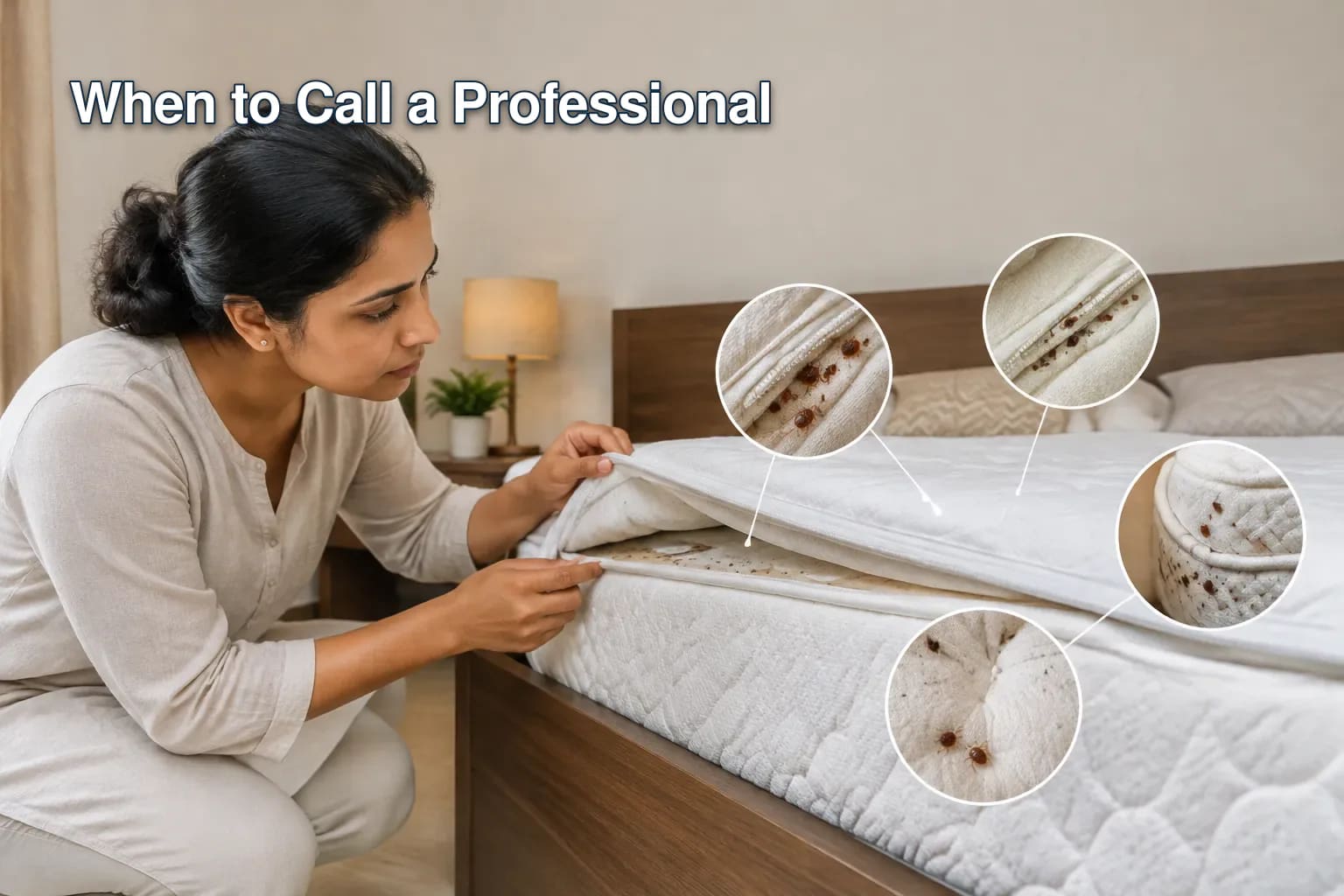
When to Call a Professional
If you discover physical evidence of bed bugs or suspect their presence but cannot detect them, it's crucial to seek professional bed bug treatment services. Bed bugs possess natural resistance behaviors, and an effective treatment plan typically requires an integrated multi-visit approach [E010]. Professionals can deploy a combination of heat treatments, chemical applications, and ongoing monitoring that a DIY approach might miss. In Mumbai, where high-density living increases the risk of spread between units, quick professional intervention can prevent wider infestations, saving you time and additional expenses in the long run.
Benefits of Professional Treatment
- Comprehensive Solutions: Professionals offer integrated pest management strategies that address all stages of bed bug life cycles.
- Expertise and Experience: Trained professionals can identify and treat infestations more effectively than DIY methods.
- Safety: Professionals use treatments that are safe for humans and pets, minimizing health risks.
Common Mistakes and How to Avoid Them
Several common mistakes can undermine bed bug control efforts:
While substances such as neem oil, turmeric, and essential oils are commonly discussed online, laboratory testing demonstrates they lack scientific efficacy for eradicating established bed bug populations.
-
Improper Use of Chemicals: Household chemicals like kerosene and rubbing alcohol are not only ineffective but also dangerous when used on furniture [E009].
-
Inadequate Treatment Coverage: Missing areas where bed bugs hide, such as behind headboards and within electrical outlets, can lead to infestation resurgence.
How to Avoid These Mistakes
- Educate Yourself: Use reliable sources to learn about effective bed bug treatments.
- Follow Professional Advice: Adhere to guidelines provided by pest control experts to ensure comprehensive treatment.
- Avoid Panic: Rushing into treatments without proper planning can exacerbate the problem.
By avoiding these mistakes, residents can protect their homes more effectively and prevent costly errors in bed bug management.
Next Steps and Additional Resources
If you're facing a persistent bed bug problem or want professional inspection services, reaching out to local experts like BedBugsTreatment.co.in can be beneficial. They operate across major parts of Mumbai, providing tailored solutions based on property inspection outcomes [E012]. An inspection will help assess the severity of the infestation and detailed plans ensure every aspect of the problem is addressed. For those interested in DIY measures, the EPA's bed bug pages offer scientific insights and effective practices for control. Secure your home proactively by utilizing these resources and maintain vigilance to keep bed bugs at bay.
Frequently Asked Questions
What are the best bed bug mattress covers available in Mumbai?
In Mumbai, choose bed bug-proof encasements with secure zippers and reinforced seams for best results. Consider those designed for high humidity to prevent moisture buildup.
How do I know if my mattress already has bed bugs?
Look for physical signs such as dark fecal spots, shed skins, live bugs, and clusters of itchy red bites. Use these in conjunction with professional advice to confirm an infestation.
What actions should I take after identifying bed bugs?
Begin by isolating the affected area to prevent spreading. Wash and dry all bedding at high temperatures, encase the mattress, and consult professional pest control services for comprehensive treatment.
Do bed bugs spread to other furniture besides mattresses?
Yes, bed bugs can infest various furniture types, including couches, chairs, and even cabinets. They often migrate through tiny crevices, seeking dark, secluded spots.
Is there a safe DIY method to kill bed bugs efficiently?
While washing and drying fabrics in high heat can kill bed bugs on clothing and bedding, complete eradication often requires professional treatment due to the bugs' resilience and hiding abilities.
How can I prevent bed bugs from returning after treatment?
Maintain regular inspections, use mattress encasements, and keep your home clutter-free to reduce hiding spots. Regularly vacuum and monitor for signs of bed bugs to catch any new infestations early.
Related Guides
- The 5 Strongest Bed Bug Sprays That Actually Kill Eggs Too
- How to Dispose of a Mattress with Bed Bugs Safely
- How to Get Rid of Bed Bugs in Your Mattress for Good
- bed bug treatment services
References & Verified Sources
- Bed Bugs: Biology and Behavior (US Environmental Protection Agency (EPA)) — Supports: Bed bugs cannot fly or jump; they move strictly by crawling and hitchhiking on clothing, luggage, and used furniture.
- Bed Bugs FAQs: Signs and Symptoms (Centers for Disease Control and Prevention (CDC)) — Supports: Bite marks alone cannot confirm a bed bug infestation because bites closely resemble reactions from mosquitoes, fleas, or allergies; physical evidence (live bugs, cast skins, fecal spots, or eggshells) is required for confirmation.
- Health Concerns Related to Bed Bugs (Centers for Disease Control and Prevention (CDC)) — Supports: Bed bugs do not transmit infectious diseases to humans, though scratching bites can lead to secondary bacterial skin infections.
- Non-odorless treatment of Bed Bugs (US Environmental Protection Agency (EPA)) — Supports: Washing infested clothing and bedding in hot water followed by drying at high heat for at least 30 minutes effectively kills all bed bug life stages present on fabrics.
- Debunking DIY Bed Bug Home Remedies (University of Kentucky Department of Entomology) — Supports: Home remedies such as turmeric, baking soda, neem oil, and lavender spray have no scientific evidence demonstrating the ability to eliminate or control an established bed bug infestation.
- Dangerous DIY Pest Control Practices (US Environmental Protection Agency (EPA)) — Supports: Household chemicals like kerosene, camphor, and rubbing alcohol are highly flammable and dangerous to spray on mattresses or furniture, and they fail to reach hidden harborages.
- Integrated Pest Management for Bed Bugs (US Environmental Protection Agency (EPA)) — Supports: Because bed bug eggs can hatch 6 to 10 days after an initial treatment and bed bugs possess natural behavioral resistance, professional eradication typically requires an integrated multi-visit approach with follow-up monitoring.
- BedBugsTreatment.co.in Service Network (BedBugsTreatment.co.in) — Supports: BedBugsTreatment.co.in operates professional pest control services across major Indian metropolitan areas including Mumbai, Delhi NCR, Bangalore, Pune, Hyderabad, and Chennai.
- Thermal Death Point for Bed Bugs (Purdue University Department of Entomology) — Supports: Sustained lethal odorless treatment requires controlled temperatures of 48°C to 50°C (118°F to 122°F) maintained for a specific exposure duration to ensure complete penetration into mattresses, crevices, and voids.
Need Immediate Bed Bug Relief in Your Home?
BedBugsTreatment.co.in offers government-approved chemicals, same-day inspection visits, and a 12-month service warranty across India.