Secondhand Furniture Bed Bug Inspection: A Comprehensive Guide
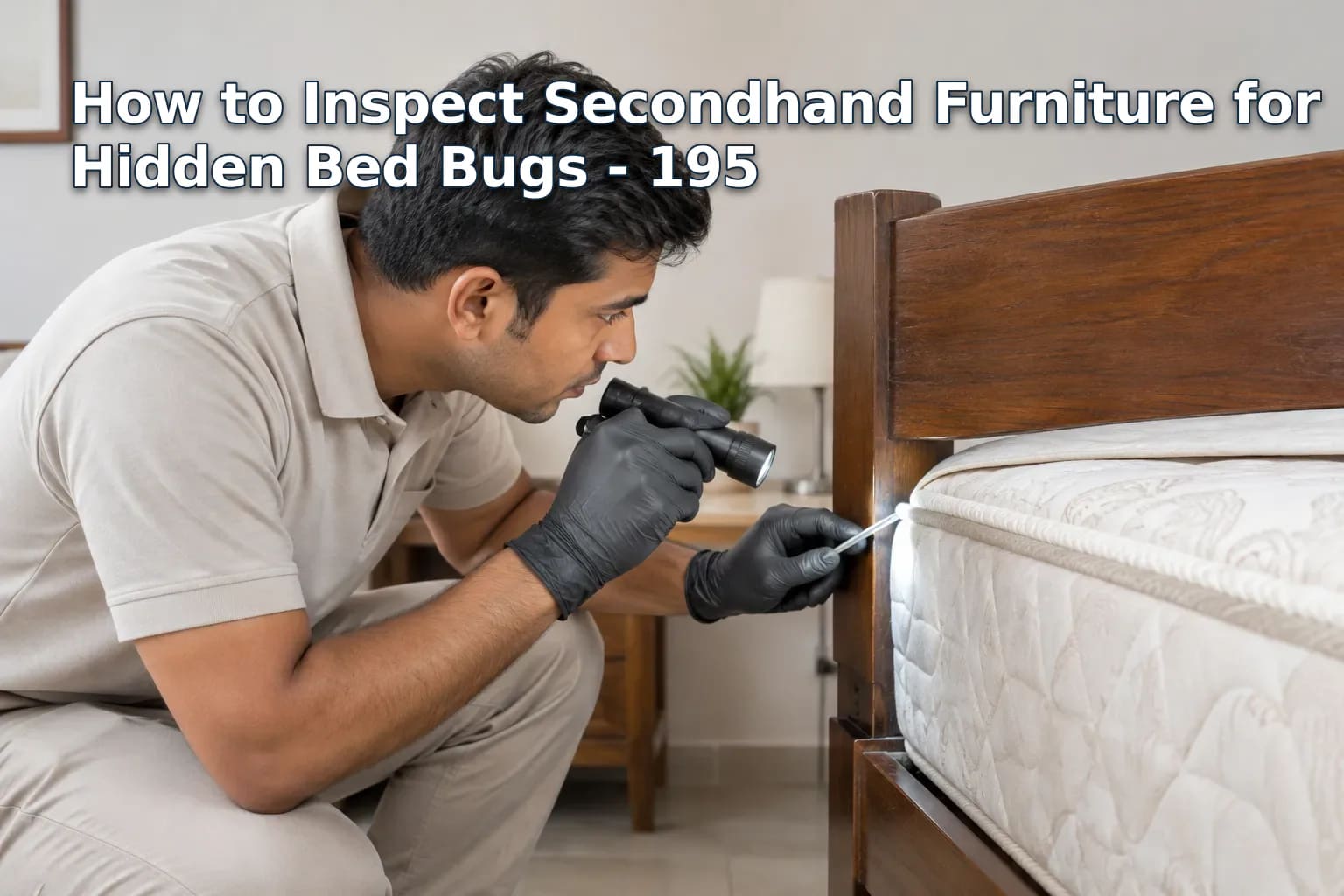
Identification & Life Cycle of Bed Bugs
Identifying bed bugs in secondhand furniture requires keen observation and understanding of their lifecycle. Begin by focusing on seams, tufts, and any hidden crevices where these nocturnal pests might reside. Use a flashlight and a magnifying glass to spot live bed bugs, eggs, or dark spots of excrement. Remember, a clean environment can still harbor bed bugs as they travel by hitchhiking.
Life Cycle & Behavior Observation:
- Eggs: Tiny, whitish, and almost translucent, often laid in clusters.
- Nymphs: These immature bed bugs are smaller and lighter in color. They undergo five molts, growing darker and more adult-like with each stage.
- Adults: Brownish, oval-shaped, and flat, about the size of an apple seed. Primarily active during the night, attracted to carbon dioxide and warmth.
Inspection Checklist for Secondhand Furniture:
-
Mattresses and Box Springs:
- Check all seams and under the piping of mattresses.
- Inspect fold areas of box springs and any manufactured holes or gaps.
-
Upholstered Furniture:
- Gently peel back fabric coverings to check below seams and under cushions.
- Look behind tufts, buttons, and under skirts of chairs and sofas.
-
Wooden Items:
- Examine grooves, joints, and any cracks where bed bugs might conceal themselves.
- Use odorless interceptor traps at the base of legs, assessing for presence over several days.
Structured Barrier Management:
- Encasements: Apply zippered mattress and box spring encasements to prevent infestation escapes and risks.
- Traps & Monitoring: Utilize interceptor traps to catch and monitor bed bug activity for ongoing safety verification.
Prevention and peace of mind lie in thorough, detailed inspection with these odorless solutions, avoiding any need for invasive chemicals. For suspected infestations, opt for integrated professional solutions that employ odorless treatments, capitalizing on advanced formulations that disrupt bed bug habitats while being safe for household environments.
Comprehensive Inspection Protocol
Inspecting secondhand furniture for hidden bed bugs requires a meticulous and informed approach to ensure your home remains free from these stealthy pests. Begin by examining common hiding spots and employ the steps below to conduct a thorough investigation.
-
Gather Essential Tools:
- Flashlight: Illuminate dark crevices.
- Magnifying Glass: Spot tiny nymphs and eggs.
- Gloves: Protect hands during inspection.
-
Inspect Seams and Joints:
- Carefully flip cushions and examine along seam lines for live bugs or dark fecal spots.
- Pay particular attention to any areas where fabric meets structural components, such as joints and folds.
-
Check Undersides and Framework:
- Use the flashlight to inspect the undersides of chairs, couches, and mattresses.
- Look for signs of bed bug exoskeletons or a small, translucent eggs within wooden joints and screw holes.
-
Examine Drape Edges and Fabric:
- Closely inspect decorative tufts, welts, and zippers on cushions.
- Bed bugs favor settled locations, so take time to analyze the furniture's overall construction, including any fabric-covered buttons.
-
Use Tools for Narrow Crevices:
- A thin card can help dislodge potential bed bug harborage from tight spaces.
- Slide gently along creases and in between button tufting to uncover hidden bugs.
-
Test with Active Monitoring:
- Placing interceptor traps under legs of furniture can help monitor for any bed bug movement, serving as an ongoing inspection measure.
Following these steps can significantly mitigate the risk of introducing bed bugs into your living space. Should any signs of infestation be detected, consult with a professional immediately to apply specialized odorless treatments and establish structural barrier protection measures. Recognizing that bed bugs thrive in clean environments can help reduce the stigma and encourage proactive protective actions. Always opt for integrated pest management over risky DIY solutions.
Effective Prevention & Environmental Exclusion
When incorporating secondhand furniture into your home, meticulously inspecting for hidden bed bugs is essential to prevent potential infestations. Follow these detailed steps to ensure any furniture you acquire is free from pests:
-
Examine Seams and Crevices: Use a flashlight to scrutinize seams, folds, and corners of upholstered pieces. Bed bugs often hide in the tiniest gaps, especially in areas where seams meet. Pay particular attention to sofas, chairs, and mattresses, as these provide ample hiding spots.
-
Check Bed Frames and Headboards: These wooden or metal structures can harbor bed bugs in their joints and carvings. Disassemble if possible to inspect inner sections where pieces connect, as well as any grooves or cracks.
-
Assess Underneath Cushions and Covers: Remove cushions from sofas and chairs and inspect the undersides and interior sections. Look for any signs of bed bugs, such as dark spots, shed skins (exuviae), or live insects.
-
Inspect the Underside: Tilt larger pieces like couches and tables to inspect their undersides. Bed bugs can be found in screw holes, joints, or crevices beneath furniture.
-
Review Non-upholstered Furniture: Keep an eye on other secondhand items, such as dressers and nightstands. Pull out drawers and inspect the interior and exterior thoroughly, including the tracks.
-
Use Interceptor Traps: Once you've thoroughly inspected, setting up interceptor traps around the legs of furniture can help monitor any unnoticed pests over time.
-
Application of Zippered Encasements: Consider using zippered mattress encasements for any bedding-related items. These specially designed encasements are effective at trapping and excluding bed bugs, ensuring that any hidden inside cannot escape or reach you.
By adhering to these steps, you can safely incorporate secondhand furniture into your living space while maintaining an environment free from bed bugs. Remember, the presence of bed bugs is unrelated to cleanliness; they are equal-opportunity invaders who simply hitchhike from one place to another.

Professional Odorless Treatment Strategies
When dealing with bed bug-proofing secondhand furniture, especially prior to its integration into your space, a meticulous inspection using an odorless treatment strategy is essential. Uncovering these nocturnal pests early can save both time and potential escalation.
How to Inspect Secondhand Furniture for Hidden Bed Bugs:
-
Visual Inspection Basics: Begin by examining all seams, edges, and hidden crevices using a flashlight. Look for live bed bugs, which resemble apple seeds, as well as any shed nymph skins and rust-colored excrement spots.
-
Utilize Interceptor Traps: Place interceptor traps around areas of suspected entry, such as feet of the furniture. These will trap bugs trying to travel to and from the furniture, providing further evidence of their presence.
-
Consider Mattress Encasements: For items like sofas and armchairs, employ zippered encasements specifically designed to be bed bug-proof. These work as both a preventative and containment strategy, sealing in any hidden pests and preventing others from entering.
-
Micro-Encapsulated Odorless Formulations: Apply these treatments in a targeted manner to known hotspots around the furniture. This approach ensures any bed bug contact results in effective pest control without detectable odors.
-
Regular Monitoring: Even post-treatment, maintain vigilance by checking for new signs of activity. Frequent inspections can identify potential reinfestation early, enabling prompt action.
Remember, an infestation is not a reflection of cleanliness but a consequence of bed bugs' adept ability to hitchhike and hide. By implementing these odorless and discreet treatment methods, you can efficiently manage and even prevent bed bug presence in secondhand acquisitions, safeguarding your home without the need for disruptive or unsafe interventions. Engaging these strategies ensures your furniture remains a lasting, pest-free addition.
Post-Inspection Monitoring & Maintenance
Continuous vigilance is essential after acquiring secondhand furniture, even post-inspection. Bed bugs can remain hidden and undetected without proper maintenance. Here's a comprehensive plan for post-inspection monitoring and maintenance:
-
Encasements and Seals: Use zippered mattress and furniture encasements to keep any remaining bed bugs from escaping. These should cover the entire piece, preventing bed bug access and making future inspections straightforward.
-
Interceptor Traps: Install these devices under furniture legs. They capture bugs trying to climb up, providing a visible indicator of any lingering infestation. Consider using multiple traps for a comprehensive approach, checking them weekly for activity.
-
Regular Inspections: Schedule routine examinations of the furniture, focusing on cracks, joints, and beneath cushions. A flashlight aids in spotting any bed bugs or shed skins. Consistent checks ensure that you address any signs of life promptly.
-
Portable Monitoring Devices: Place carbon dioxide-triggered monitors around areas where bed bugs might remain. These devices exploit bed bugs’ attraction to carbon dioxide, luring and capturing them before they can spread further.
-
Vacuuming Regimen: Regularly vacuum the furniture and surrounding carpeted areas, emphasizing seams and edges. Immediately dispose of vacuum contents in sealed bags to prevent any potential spread.
-
Professional Odorless Treatment: If you detect signs of bed bugs despite prior steps, consult professionals who specialize in odorless treatment options. These services use advanced encapsulated solutions that effectively target bed bugs without introducing harmful chemicals into your home.
By implementing these measures, you maintain control over potential infestations and ensure that your living environment remains comfortable and safe. Remember, the most effective defense combines proactive inspection with strategic maintenance practices.
Frequently Asked Questions
How can I identify bed bugs in secondhand furniture?
To identify bed bugs, look for small, oval brownish insects, their tiny white eggs, or dark spots of excrement in seams, crevices, or hidden areas of furniture using a flashlight and magnifying glass.
What are common signs that secondhand furniture is infested with bed bugs?
Common signs of bed bug infestations include live insects, shed skins, small blood stains, or dark fecal spots on fabric surfaces and wooden joints of furniture.
Can bed bugs infest clean furniture?
Yes, bed bugs can infest clean furniture. They are adept hitchhikers and can spread through luggage, clothing, or other infested items, regardless of cleanliness.
What preventive measures can I take during a secondhand furniture inspection?
Preventive measures include inspecting seams and crevices thoroughly, using interceptor traps, and treating suspicious areas with bed bug-specific sprays or powders.
Related Guides
- Protect Your Bangalore Home from Bed Bugs: Effective Strategies
- Effective Odorless Bed Bug Treatment in Pune | Khatmal Pest Control
- Odorless Bed Bug Control Services in Pune: Effective and Safe
- Comprehensive Guide to Bed Bug Treatment in Mumbai
- Comprehensive Guide to Eliminating Bed Bugs in Bangalore
- Removing Bed Bug Eggs Without Chemicals
- Protect Your Mumbai Mattress from Bed Bugs: Effective Strategies
Need Immediate Bed Bug Relief in Your Home?
BedBugsTreatment.co.in offers government-approved chemicals, same-day inspection visits, and a 12-month service warranty across India.