Comprehensive Guide to Bed Bug Treatment in Mumbai
For Mumbai residents, determining whether unexplained bites are indeed from bed bugs or other insects is crucial given the city's dense living conditions. Differentiating between bed bug bites and other types of bites requires close examination of physical evidence—not just skin reactions. Furthermore, understanding which treatment methods work best bed bug treatment in Mumbai—be it DIY options or professional interventions—is essential for effective control and prevention of further spread. This guide offers a thorough examination of identification strategies, evidence-based treatment approaches, and preventative measures tailored to the unique challenges presented by Mumbai's urban environment.
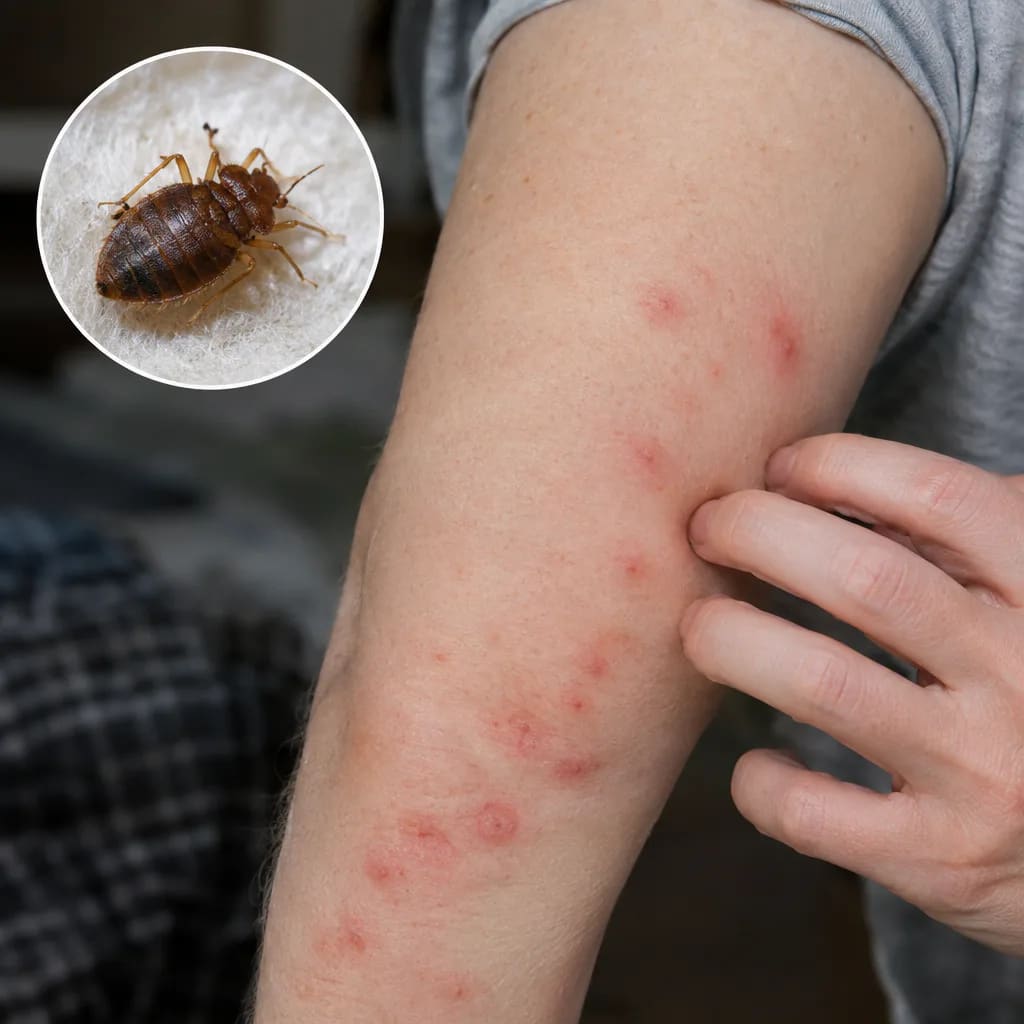
Understanding Bed Bugs and Bites
Bed bugs, scientifically known as Cimex lectularius, are parasitic insects that feed on the blood of humans and other warm-blooded animals. They are typically nocturnal and favor environments close to their food source—namely, sleeping areas. Despite a common misconception, bed bugs cannot fly or jump; they must crawl or hitchhike on clothing, luggage, and used furniture to move. Their bites often appear similar to those of mosquitoes or fleas, resulting in red, itchy welts. However, relying solely on bite marks is insufficient for confirming a bed bug infestation; this is because such bites mirror reactions from other insects and allergens. Bed bug bites typically present in a line or cluster and are sometimes accompanied by other symptoms such as a mild rash.
To identify bed bugs efficiently, it is essential to understand their lifecycle and behaviors. Newly hatched bed bugs, or nymphs, are nearly colorless, making them hard to see, while adults are reddish-brown and about the size of an apple seed. They often hide in mattresses, box springs, and bed frames, emerging only to feed approximately once every five to ten days. Given their ability to survive for extended periods without feeding, detecting and eradicating them demands keen observation and persistence.
Physical Evidence vs Bite Symptoms
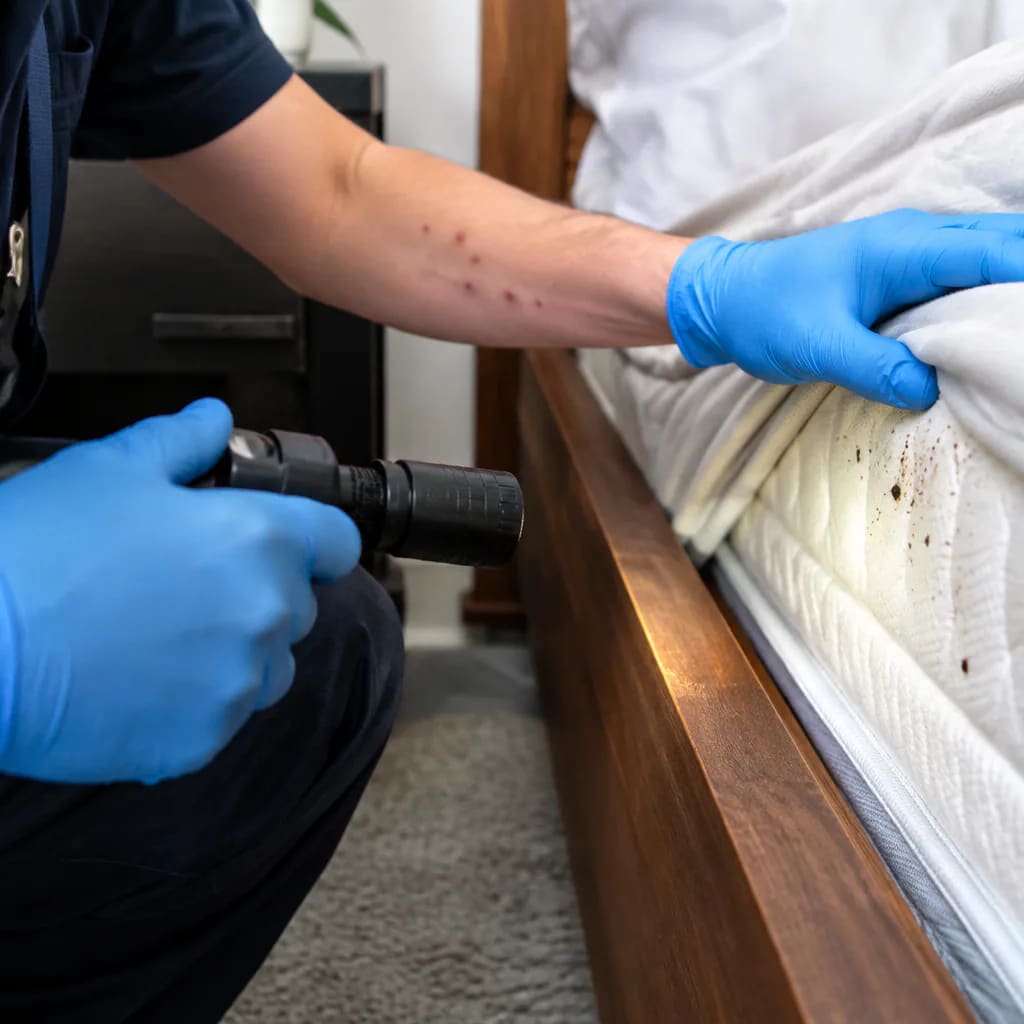
Identifying an infestation of bed bugs primarily requires the confirmation of physical evidence over relying on bite symptoms, due to the similarities in appearance with other insect bites. Physical signs of bed bugs typically include the presence of live bugs, cast skins, fecal spots, or eggshells in sleeping areas like mattresses and bed frames. Unlike bites, these indicators can be more consistently tied to the presence of bed bugs.
Key signs of a Bed Bug infestation include:
-
Live bugs: Look for live bugs in crevices and joints of furniture, or in the seams of mattresses. The bugs may be the size of an apple seed, reddish-brown, and lack wings.
-
Fecal spots: These are small, dark spots visible on sheets or walls and are remnants of digested blood.
-
Cast skins and eggshells: As bed bugs mature, they shed their skins multiple times during their growth stages. Their eggs are white and about 1mm in size, often found in clusters in crevices.
-
Musty odor: A large infestation may be accompanied by a distinct, musty odor caused by the bed bugs' scent glands.
When evaluating bites, remember that people react differently to them—some may have no reaction, while others will see visible welts. This variability makes bites an unreliable sole indication of an infestation. In Mumbai, the crowded living conditions and shared utilities such as electrical conduits and plumbing offer pathways for bed bugs to spread easily between units. Therefore, confirming their presence involves a thorough inspection and the searching for multiple signs rather than relying on one or two.
Room-by-Room Bed Bug Inspection Guide
Effective bed bug management starts with a meticulous inspection process to identify affected areas and gauge the scale of infestation. This inspection should be performed with patience and thoroughness, focusing on areas where bed bugs typically dwell:
1. Bedroom:
- Mattress and Box Spring: Inspect seams, edges, and tags. Remove bed linens to check for fecal spots, cast skins, or live bugs in hidden spaces. Flip and inspect the box spring’s underside carefully.
- Bed Frame and Headboard: These structures offer numerous hiding places. Closely check joints and crevices.
- Nightstands and Carpeting: Look beneath and in drawers as well as along the edges where carpeting meets the walls.
2. Living Room:
- Sofas and Chairs: Detach and check between cushions and within seams. Also, inspect underneath furniture for droppings or signs of nesting.
- Electronics and Decor: Although less common, bed bugs might hide in electronics or between wall pictures and posters.
3. Stored Items:
- Luggage: Especially if traveling is frequent, luggage should be checked for signs of bed bugs around zippers, seams, and lining. Similarly inspect any stored sports bags or backpacks.
4. General Habitats:
- Baseboards and Electrical Outlets: Bed bugs may crawl through structural gaps or hide in switch plates.
Inspections should be frequent and thorough as a first step in any corrective action plan. Mumbai’s well-ventilated and well-lit spaces may reduce these pests’ spread, but cramped living conditions and shared utilities in high-density areas like hostels and PGs lend themselves to easier spread if not vigilantly monitored.
How to Prevent Bed Bug Spread in Mumbai Housing
In Mumbai, characterized by dense housing and shared living spaces, preventing the spread of bed bugs requires tailored strategies:
-
Encasements: Utilize bed bug-proof encasements on mattresses and box springs to trap and starve any bed bugs inside.
-
Clutter Reduction: Decrease hiding spaces by minimizing clutter in living and sleeping areas.
-
Regular Inspections: Routinely check high-risk areas, especially during cleaning or vacuuming, which can help catch an early infestation in shared accommodations like hostels or PGs.
-
Laundry Protocol: Wash and dry bed linens, clothing, and other washable items on the highest heat setting possible. This kills all life stages of bed bugs. When returning from travel, immediately launder travel clothing and consider isolating luggage.
-
Gap Sealing: Inspect and seal gaps around baseboards, light fixtures, and electrical outlets to prevent bed bug migration between units.
-
Public Awareness: Share information about bed bugs with neighbours to encourage combined efforts in the detection and prevention of infestations.
In shared living environments, such as hostels that are prevalent in Mumbai, integrating preventive measures like instituting guest checks for bed bug evidence in belongings upon arrival, and ensuring that any roommates are informed about the situation, are prudent actions. This not only protects one's own unit but helps mitigate widespread infestations building-wide.
Comparing DIY vs Professional Bed Bug Treatments
Deciding between DIY and professional treatments involves understanding their respective strengths and potential limitations.
DIY Treatments:
- Pros: Low upfront cost and immediate availability of tools/ingredients.
- Cons: Home remedies such as turmeric, baking soda, neem oil, and lavender lack scientific evidence of effectiveness against bed bugs. Additionally, methods using household chemicals like kerosene or rubbing alcohol pose significant safety risks due to flammability. They also fail to reach and eliminate bed bug populations residing in hidden harborages.
Professional Treatments:
- Pros: Offer comprehensive solutions using odorless treatments, fumigants, and steam treatments that can penetrate deeper and ensure more robust elimination. Professionals also offer multi-visit programs to prevent re-infestation from newly hatched eggs.
- Cons: Costs can vary significantly based on property size, layout, infestation severity, and treatment options chosen. An inspection is usually required for a detailed quote.
Comparison Table:
| Feature | DIY Methods | Professional Treatment |
|---|---|---|
| Scientific Evidence | Lack of proven effectiveness | Proven treatment protocols |
| Safety Considerations | Flammable, potential hazards | Safety measures strictly followed |
| Coverage and Reach | Limited and surface level only | Deep penetration into structures |
| Cost | Generally lower upfront prices | Cost based on property and infestation size |
| Success Rate | Inconsistent, low success | High when professionally managed |
In Mumbai, where dense urban housing demands greater vigilance, relying on professional interventions is often the most effective course of action to thoroughly eliminate infestations and prevent recurrence.
Professional Bed Bug Treatments in Mumbai
Mumbai, with its densely packed living conditions and high mobility, necessitates a rigorous, professional approach to bed bug eradication. Professional professional bed bug treatment services in Mumbai offer specialized treatments tailored to the unique challenges of the city's housing landscape.
-
Sustained lethal odorless treatment requires controlled exposure—typically 48°C to 50°C (118°F to 122°F) maintained for a specified duration to penetrate mattresses and structural harborages. This ensures the heat penetrates and kills bed bugs and their eggs.
-
Steam Treatments: Professional-grade steam treatment applies temperatures lethal to bed bugs directly upon contact. However, its efficacy is limited to where the steam can penetrate, thus requiring professionals to reach into cracks and crevices effectively.
-
odorless treatments: Selective use of insecticides approved for bed bugs can be effective when applied professionally. These often include residual pesticides that combat bugs over time but necessitate careful handling due to possible human exposure.
-
Integrated Pest Management (IPM): A holistic approach that combines monitoring, non-chemical methods, and limited pesticide use, ensuring all stages from egg to adult are addressed over multiple visits.
| Treatment Type | Methodology | Pros | Cons |
|---|---|---|---|
| odorless treatment | Sustained 48°C to 50°C throughout infested space | Non-chemical, thorough | Requires complete home prep and can be costly |
| Steam Treatment | Direct contact using high-temperature steam | Effective on contact | Limited to surface-level effectiveness |
| odorless treatment | Insecticide application and treatment cycles | Fast acting | Requires thorough safety protocols and prep |
| IPM | Combines all available methods for maximum effectiveness | Comprehensive coverage | Requires multiple visits for success |
Professional services in Mumbai offer the added benefit of performing an accurate assessment of the infestation, tailoring solutions to the specific conditions of each home. Although this approach is potentially more expensive, the long-term success and comprehensive safety offered typically outweigh any upfront investment.
Prepping Your Home for Bed Bug Treatment to Prevent Re-infestation
Preparing your home thoroughly before treatment is vital for maximizing the efficacy and success of bed bug eradication efforts. Here is a comprehensive home-prep checklist to follow:
-
Declutter Rooms: Remove unnecessary items that may provide hiding places for bed bugs, but avoid transferring them to other parts of the house to prevent spreading the infestation.
-
Seal Linens and Clothing: Place all infested textiles in sealed garbage bags or airtight bins until they can be laundered appropriately (high-temperature washing and drying).
-
Disassemble Furniture: Where possible, dismantle beds, remove drawers from dressers, and detach couch cushions to allow better access to all areas needing treatment.
-
Vacuum Thoroughly: Use a vacuum with a HEPA filter to clean floors, carpets, and upholstery, then immediately seal and dispose of vacuum bags outside.
-
Cover Aquariums and Pet Habitats: Protect areas housing pets or aquariums from pesticide drift by covering them securely or relocating temporarily.
-
Access Points for Treatment: Ensure all access points are accessible to professionals so that no area requiring treatment is obstructed.
-
Notify Neighbors: Especially in shared accommodations or apartment settings, informing neighbors and management about the treatment can help to co-ordinate preventive actions, reducing the chance of bed bug return.
When undergoing professional treatment, clear communication with the pest management team is crucial; understanding their needs and your actions post-treatment can significantly improve the likelihood of a successful eradication. Following treatment, inspections and small preventive measures, such as regularly laundering bed linens and sealing potential harborages, can aid long-term bed bug management.
Understanding the Life Cycle of Bed Bugs and Treatment Timelines
Understanding the life cycle of bed bugs is key to appreciating the importance of sustained treatment strategies. Bed bugs undergo incomplete metamorphosis, progressing through egg, nymph, and adult stages. Each stage plays a critical role in designing an effective eradication plan:
-
Eggs: Bed bug eggs are approximately 1mm long, laid in clusters, and hatch in about 6 to 10 days. They are one of the toughest stages to eliminate due to their size and hidden placements.
-
Nymphs: Once hatched, nymphs must feed to molt and progress to the next stage. The six-stage journey from nymph to reproductive adult can take five weeks in optimal conditions.
-
Adults: Capable of feeding more frequently, adult bed bugs can live 6 to 12 months, producing a steady flow of eggs if left unchecked.
Because newly emerged nymphs can hatch weeks after an infestation begins, a single treatment is rarely sufficient. Successful eradication demands a timeline where multiple treatments are scheduled to align with the bed bug lifecycle, ensuring the elimination of nymphs as they hatch and before they begin contributing to the population further.
Professional treatment plans frequently adopt a multi-visit protocol—a necessary approach given the possibility of initial treatment failure due to resistant egg stages and the capacity of bed bugs to repopulate quickly under the right conditions. This awareness forms the basis of Integrated Pest Management (IPM) strategies that aim for complete eradication over several weeks.
Customized Tips for Hostels and PGs in India
Hostels and paying guest accommodations (PGs) in cities like Mumbai are particularly vulnerable to bed bug infestations due to frequent tenant turnover, dense housing, and shared amenities. Here are strategies specifically tailored for these living situations:
-
Luggage and Belongings: Ensure that newly arrived guests inspect and immediately unload suitcases on hard floors—not on furniture—then use luggage racks to keep them elevated and away from beds.
-
Information Education: Landlords and managers should keep inhabitants informed about bed bugs, how to detect them, and preventative tips to manage potential spread.
-
Routine Room Checks: Regular inspection by hostel staff or trained personnel can preempt severe outbreaks.
-
Bed Management: Invest in quality, bed bug-proof mattress encasements and pillow cases to prevent nesting.
-
Communal Areas: Increase vigilance with cleaning practices in common spaces, ensuring furniture is regularly vacuumed, and floors routinely cleaned.
-
Shared Walls Security: Proactively seal any gaps or conduits that run between rooms to limit the movement of pests between accommodations.
Applying preventative and educational measures harmonized with professional treatment protocol guidelines can help hostels and PGs maintain a pest-free environment. By addressing issues proactively and leveraging resident awareness, these shared living spaces can significantly reduce their vulnerability to infestations and keep guests safe and comfortable.
Frequently Asked Questions
How can I confirm if my bites are from bed bugs or another insect?
Physical evidence such as live bedbugs, cast skins, or fecal spots found in your sleeping area is essential for confirming a bed bug infestation, since bite marks alone can resemble those from mosquitoes and other insects.
What professional treatments are available in Mumbai for bed bugs?
Mumbai offers various professional treatments including heat and steam treatments, insecticide applications, and integrated pest management strategies, tailored to the city's urban and housing challenges.
Are DIY bed bug treatments effective?
DIY methods often lack efficacy as home remedies like turmeric and lavender sprays have no scientific backing, while improper use of hazardous chemicals poses significant risks.
How can I prevent bed bug spread in a high-density housing environment?
Implementing regular room inspections, sealing potential passages, and using encasements for mattresses are effective strategies to curb the spread in densely populated areas like Mumbai.
What is the timeline for eradicating a bed bug infestation?
Bed bug eradication typically requires multiple treatment sessions, aligned with the pest's six to ten-day egg hatching cycle, to achieve effective, long-term results.
Suspecting Bed Bugs in Your Home?
Still finding physical signs of bed bugs or waking up with unexplained bites? Request a thorough inspection to determine the exact extent of the infestation and explore targeted, integrated treatment options.
References & Verified Sources
- Thermal Death Point for Bed Bugs — Purdue University Department of Entomology. Supports: Sustained lethal odorless treatment requires controlled temperatures of 48°C to 50°C (118°F to 122°F) maintained for a specific exposure duration to ensure complete penetration into mattresses, crevices, and voids.
Need Immediate Bed Bug Relief in Your Home?
BedBugsTreatment.co.in offers government-approved chemicals, same-day inspection visits, and a 12-month service warranty across India.