Preventing Bed Bugs After Travel
Early Detection of Bed Bugs in Accommodations
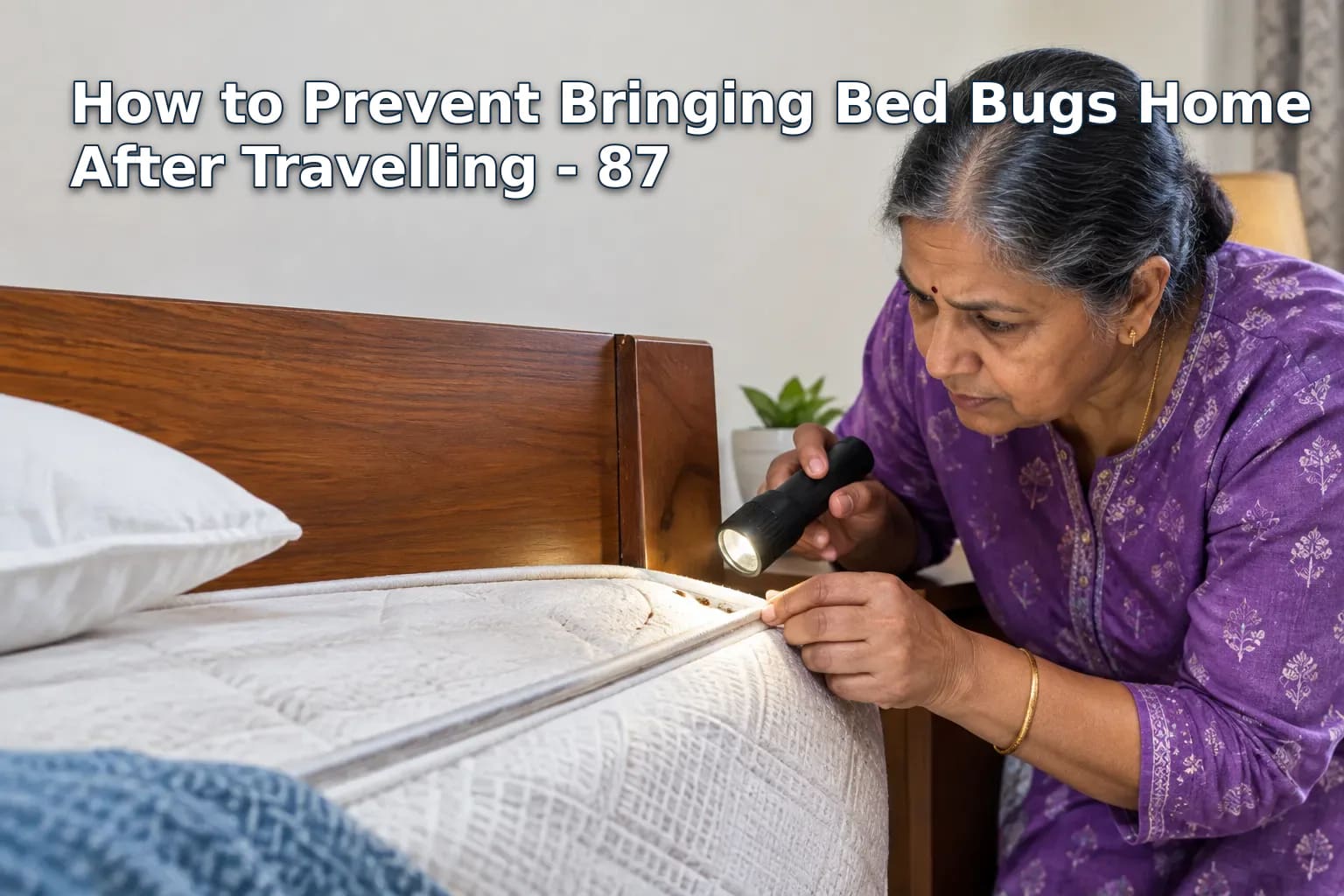
To prevent bringing bed bugs home after traveling, proactive inspection and mindful practices are vital from the moment you enter any accommodation. First, place luggage on a luggage rack away from walls and beds—do not set bags directly on the floor or on upholstered furniture. Use a flashlight to carefully inspect the mattress seams, headboard crevices, and frame for live bugs or telltale signs such as small, dark fecal spots.
Travel Checklist to Prevent Infestation:
-
Inspection Upon Arrival:
- Use a flashlight to scan the edges of the mattress and box spring.
- Check headboards, bed frames, and nightstands—bed bugs often hide in cracks and joints.
- Examine any fabric surfaces in the room, including curtains and furniture.
-
Luggage Management:
- Keep bags elevated on luggage stands, away from the bed and furniture.
- Consider using protective encasements or tightly sealing luggage with plastic covers during stays.
-
Nighttime Precautions:
- Before sleeping, ensure bed bug traps (interceptor devices) are in place under bed legs, if available from accommodation.
- Keep personal items such as clothes and electronics zipped in luggage overnight.
-
Departure Routine:
- Thoroughly inspect clothing and belongings before repacking.
- On returning home, immediately launder all clothing in hot water and dry it on high heat to eliminate any hitchhiking insects.
Staying vigilant during your travels significantly reduces the risk of bed bugs. These pests are adept travelers, hitchhiking on clothes and bags, thriving in any environment. Remember, bed bug presence is not indicative of poor sanitation. They are attracted to humans by carbon dioxide and warmth rather than cleanliness. Employ integrated professional odorless management techniques if there's any sign of infestation, thereby maintaining a bug-free home.
Pre-Travel Inspection Protocols for Luggage
Before embarking on your journey, establishing a thorough luggage inspection routine can be a valuable preventive measure against bringing bed bugs home after traveling. These meticulous steps can effectively minimize the likelihood of infestation, safeguarding your home environment.
-
Choose Hard-Sided Luggage: Opt for hard-sided suitcases rather than fabric ones. The rigid structure makes it more difficult for bed bugs to cling on and infiltrate personal belongings.
-
Pack in Sealed Plastic Bags: Prior to travel, place clothing and other items in sealed plastic bags or vacuum-sealed storage bags within your suitcase. This prevents bed bugs from getting into your belongings even if they come into contact with exterior surfaces.
-
Use Zippered Luggage Covers: Encase your suitcase in a bed bug-proof zippered cover. This creates an additional physical barrier, deterring these pests from making your luggage their new home.
In addition to the choice of luggage and packing methods, ensure that any used suitcases are thoroughly cleaned and inspected:
-
Inspect Pre-Owned Luggage: If borrowing or using rarely-used luggage, perform a careful examination. Check seams, linings, and any folds for signs of bed bugs such as shed exoskeletons or small reddish-brown stains.
-
Treating Luggage with Odorless Deterrents: Consider applying an odorless bed bug deterrent spray to the exterior of your luggage to ward off pests without leaving any offensive smell or residue.
By adopting these straightforward yet effective strategies for preventing bed bugs from traveling with your luggage, you significantly reduce the risk of encountering these travel pests. Always remember, infestations are not indicative of personal hygiene but are consequences of bed bugs hitchhiking their way into unsuspecting environments. Ensure you remain vigilant and proactive in your approach to pest management.
Packing Strategies to Minimize Bed Bug Attraction
Strategically packing your belongings can drastically reduce the risk of transporting bed bugs from your travels to your home. Here's how to prevent bringing bed bugs home after travelling:
-
Choose the Right Luggage: Opt for hard-shell suitcases instead of fabric ones as they offer fewer hiding places for bed bugs. Consider using light-colored luggage to spot any stray bed bugs more easily.
-
Conduct a Thorough Pre-Packing Inspection: Before packing, carefully inspect your luggage for any signs of bed bugs. Look closely at seams, zippers, and handles where bed bugs might hide.
-
Use Protective Covers: Employ zippered protective encasements for your suitcase interior. These encasements act as a barrier, preventing bugs from accessing your clothes.
-
Select Odorless Travel Sprays: Although traditional sprays are discouraged, some travel-safe, odorless micro-encapsulated sprays can be applied to your luggage's exterior. Use them thoughtfully, with emphasis on following safety guidelines.
-
Keep Dirty Clothes Sealed: Use large, resealable plastic bags for your worn garments. This minimizes exposure as bed bugs are attracted to the scent of worn clothing.
-
Luggage Placement: When in a hotel, avoid placing your luggage on the floor or the bed. Instead, use elevated luggage racks, bathroom tile floors, or rooms away from headboards and decorative fabric elements.
-
Regular Clothing Inspections: Each time you return to your accommodations, inspect your clothing for any signs of bed bugs. Shake garments outside on a balcony or porch if possible.
Upon returning home, it's essential to unpack outside or in a secure area, like a garage. Immediately wash clothes in hot water followed by a high-heat dryer cycle as bed bugs are sensitive to both high temperatures and water. Maintain vigilance and use interceptor traps under your bed posts as a precautionary measure, ensuring early detection if any hitchhiking pests have slipped through. Your diligence before and during travel can be effective in preventing a home infestation.
Post-Travel Safe Inspection and Unpacking
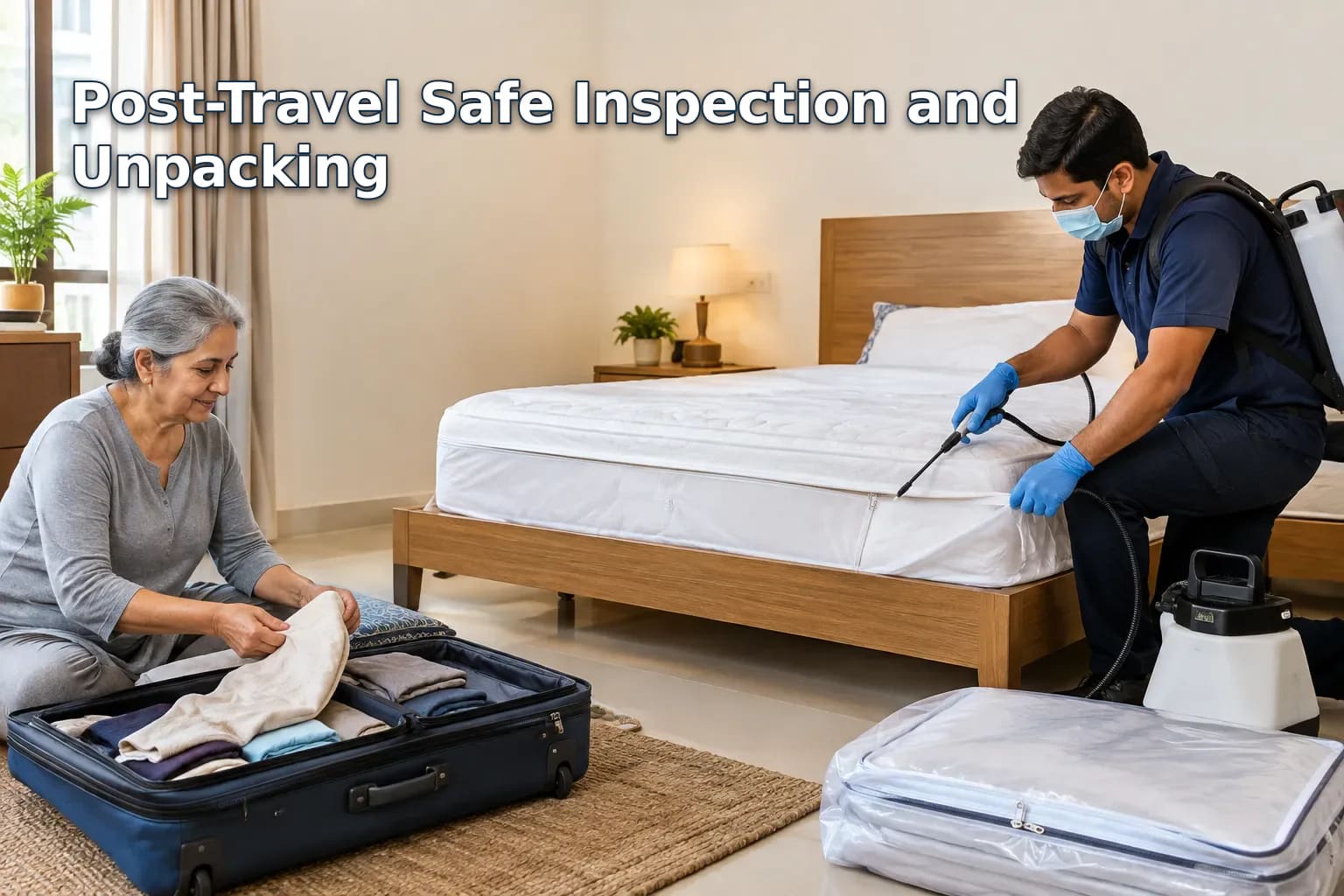
After traveling, prioritize a comprehensive inspection of your luggage and clothing to prevent bringing bed bugs home. Vigilantly assessing and managing your items with a methodical approach ensures any hitchhiking bed bugs are detected and eradicated. Follow these steps:
-
Luggage Inspection:
- Place your suitcase outside or in a garage before opening.
- Use a flashlight to meticulously examine seams, folds, and pockets for bed bugs.
- Wipe down the outside of your luggage with a damp cloth and vacuum interior compartments.
-
Clothing and Textile Handling:
- Immediately segregate clothing used during the trip from clean clothes.
- Wash all clothing in hot water, then dry on the highest heat setting suitable for the fabric.
- Suitcases made from fabric can be subjected to a thorough vacuuming with a crevice attachment.
-
Preventive Measures for Items:
- Isolate travel accessories, such as sleep masks or neck pillows, by sealing them in plastic bags until properly cleaned.
- Use interceptor traps when unpacking items to catch any bed bugs attempting to escape.
-
Home Protection Practices:
- Regularly inspect bedrooms for bed bugs using interceptor traps under bed legs.
- Install zippered mattress encasements to prevent bed bug colonization.
Adopting these odorless treatment methodologies forms an integral part of Integrated Pest Management (IPM). You safeguard your living space by leveraging non-toxic, mechanical barriers and vigilant inspection practices. Remember, bed bugs are exceptional hitchhikers but can thrive in any environment, regardless of cleanliness, so proactive management is essential. Addressing potential infestations promptly, with a professional approach, emphasizes diligence without disruption.
Utilizing Odorless Preventative Tools
Preventing bed bugs after a trip requires calm diligence and strategic use of effective tools. Immediately upon returning home, isolate luggage and use interceptor traps to monitor any potential hitchhikers. Follow these guidelines to minimize the risk of bringing bed bugs back:
-
Luggage Management:
- Unpack on a hard surface, not in the bedroom or carpeted areas where bed bugs can hide.
- Wash all clothes, whether worn or not, in hot water followed by a high-heat dryer cycle—they withstand this unlike bed bugs.
- Consider vacuuming suitcases thoroughly and using a high-quality vacuum with a sealed bag.
-
Use of Interceptors:
- Place interceptor traps beneath bed legs—these capture bed bugs trying to climb up or down, providing both a barrier and a monitoring tool.
- Ensure interceptors are checked regularly and cleaned to maintain efficacy.
-
Mattress Encasements:
- Install zippered mattress encasements designed specifically to prevent bed bug escape and entry into your mattress.
- Consistently inspect and maintain these encasements for any tears or signs of wear.
-
Inspection Protocols:
- Be vigilant when bringing in new items from travel; inspect seams and folds in luggage and new belongings.
- Regularly check common hiding spots—mattress seams, box springs, and headboards—for any signs of bed bugs.
Consistently applying these odorless deterrents can significantly mitigate the risk of infestation without using odorless, pet-safe formulations. By integrating these practices with our specialized odorless treatments, involving micro-encapsulated formulations and structural exclusion methods, a safe and pest-free home environment is achievable. Remember, bed bugs do not signify poor living conditions—addressing them quickly and methodically ensures peace of mind and hygiene maintenance in any residence.
Frequently Asked Questions
What are common signs of bed bugs in a hotel room?
Common signs include small, dark spots (bed bug feces), shed skins, and live bugs. Check mattress seams, headboards, and furniture crevices for these indicators.
How can I protect my luggage from bed bugs?
Keep your luggage on a luggage rack away from walls and furniture. Use protective encasements or seal your luggage with plastic covers, and consider natural repellents.
What should I do with my clothes after returning from a trip to prevent bed bugs?
Immediately launder all clothing in hot water and dry them on high heat. This kills any bed bugs or eggs that might have hitched a ride.
Are there tools to help detect bed bugs when traveling?
Yes, bed bug traps or interceptors can be used under bed legs. A portable flashlight is also useful for inspecting areas typically infested by bed bugs.
Related Guides
Need Immediate Bed Bug Relief in Your Home?
BedBugsTreatment.co.in offers government-approved chemicals, same-day inspection visits, and a 12-month service warranty across India.