How to Prevent Bed Bugs from Spreading Between Rooms
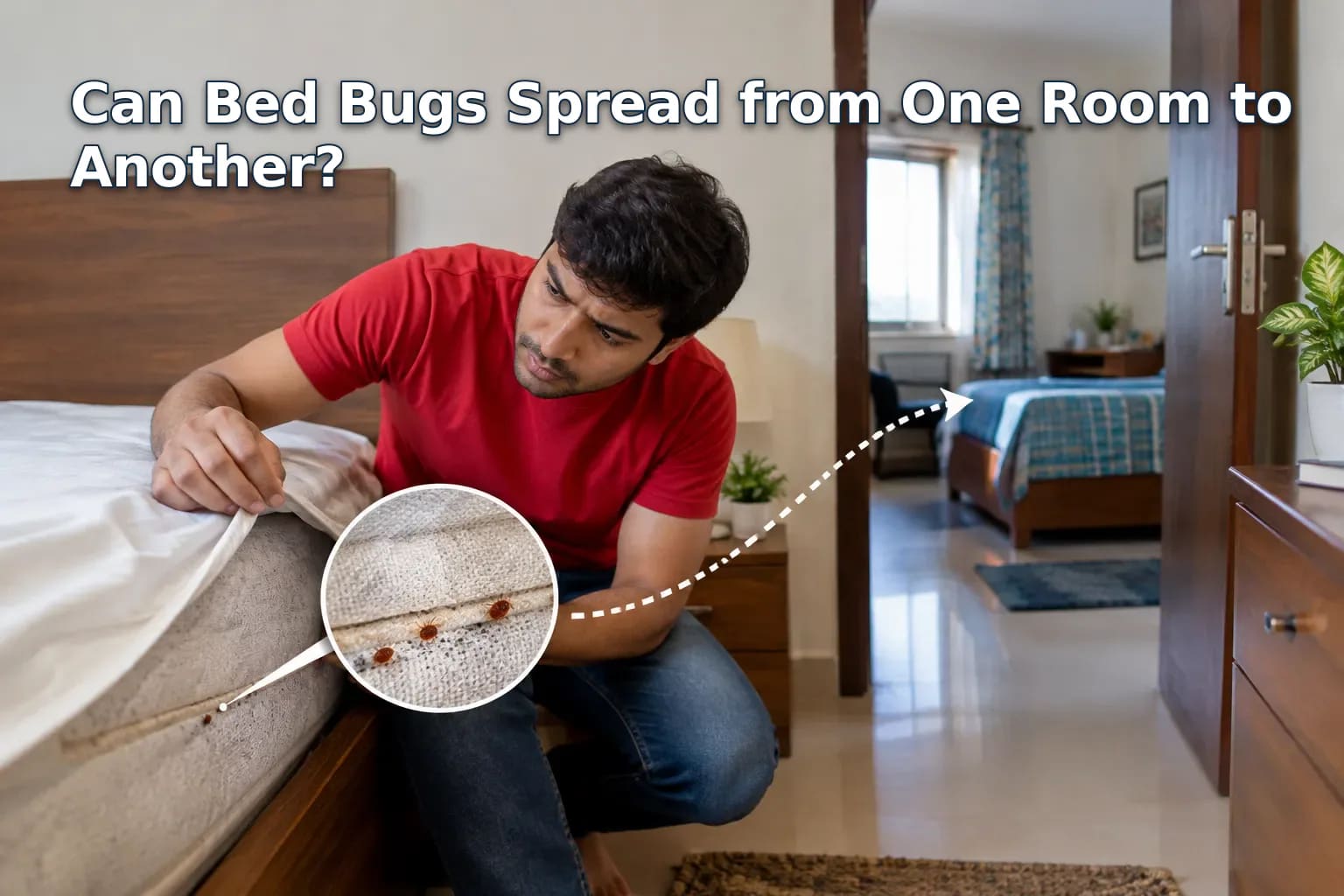
Understanding Cimex Lectularius Behavior and Movement
Bed bugs, or Cimex lectularius, can indeed spread from one room to another by hitchhiking on people or objects. Understanding their movement is crucial to preventing their spread within a property. Here's how to anticipate their behavior and mitigate potential infestations effectively:
-
Behavioral Insights:
- Bed bugs are nocturnal parasites drawn to carbon dioxide and body heat, typically feeding at night when people are asleep.
- They are adept travelers, often moving through shared walls, electrical outlets, and under doorways.
- Bed bugs primarily rely on hitchhiking via luggage, clothing, or furniture, making any property vulnerable regardless of cleanliness.
-
Preventative Measures:
- Inspect: Regularly check mattresses, headboards, and furniture in every room for signs of bed bugs. Look for small, rust-colored spots or shed skins.
- Encasements: Utilize zippered mattress encasements to trap bugs and prevent access to the mattress.
- Barriers: Install bed bug interceptors under bed legs to capture and monitor any bugs attempting to climb into beds.
- Isolation: Keep belongings isolated in infested areas until professionally inspected and treated.
-
Effective Treatment Protocols:
- Our exclusive 100% odorless treatments use micro-encapsulated formulations to target bed bugs silently and effectively without the need for odorless, pet-safe formulations.
- Integrated Pest Management includes thorough room inspections, setting up physical barriers, and safe exclusion practices.
By understanding these key behavioral factors and applying strategic prevention methods, you can significantly reduce the risk of these pests spreading throughout your property. Complementing prevention with professional odorless treatments ensures a comprehensive approach, safeguarding all rooms against infestation. Remember, bed bug infestations are not indicative of hygiene issues. They are a common challenge that, with proper action, can be adequately managed and resolved.
Conducting a Thorough Multi-Room Bed Bug Inspection
Bed bugs have an innate ability to travel and spread from one room to another. To pinpoint and manage their spread effectively, conducting a detailed, multi-room inspection is paramount. Begin with a strategic approach that involves:
-
Early Detection: Inspect the areas surrounding the suspected room, focusing on shared walls, ceilings, and floors, as bed bugs often spread through these pathways.
-
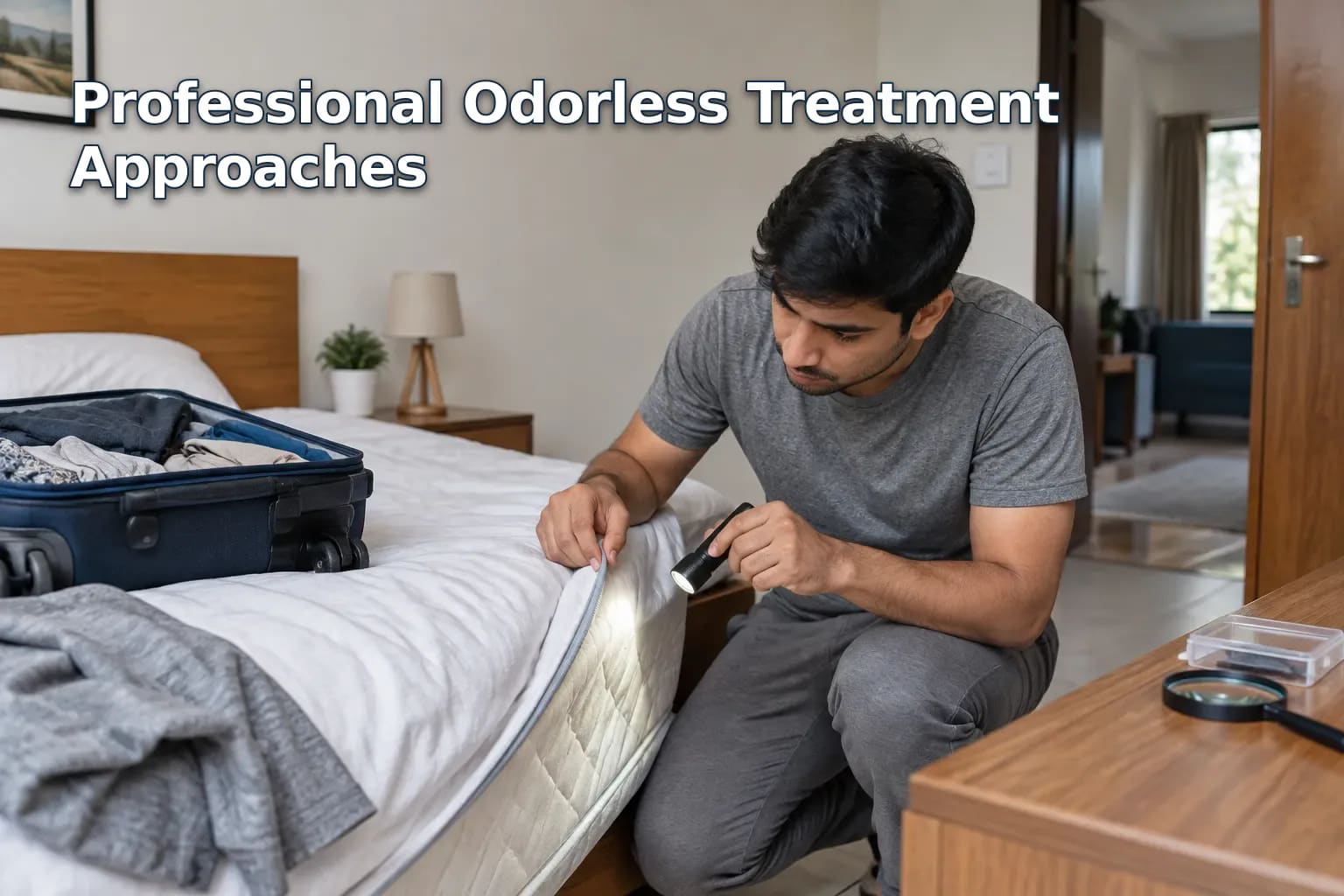
Room-by-Room Assessment: Thoroughly examine potential harborage sites such as mattress seams, box springs, bed frames, behind headboards, and within furniture crevices. Use a flashlight and magnifying glass to identify signs like exoskeletons, live bugs, or rust-colored spots from fecal matter.
-
Use of Interceptor Traps: Place these traps under the legs of beds and furniture to catch migrating bed bugs. They are an effective, chemical-free method to monitor movement between rooms.
-
Sealing Entry Points: To prevent movement, seal cracks and crevices in walls, baseboards, and around light sockets with silicone caulk or similar materials. These are prime routes for inter-room travel.
-
Zippered Mattress Encasements: Employ these on mattresses and box springs to trap any present bugs and prevent further colonization. Ensure these are high-quality and specifically designed to be escape-proof.
-
Consistent Monitoring: Regularly reassess all initially inspected areas and traps to remain vigilant of any new or residual activity.
Professional intervention using 100% odorless treatments should follow the inspection. This ensures comprehensive, safe, and effective management without the risk of odors or toxic exposure. Remember that detecting early and acting swiftly are vital to controlling and eventually resolving any infestation. Bed bug presence does not reflect poor hygiene, but rather their hitchhiking prowess, making vigilance and appropriate measures essential for mitigation.
Implementing Prevention and Exclusion Tactics
Bed bugs can indeed spread from one room to another, often by hitchhiking on clothing, luggage, or furniture. To effectively prevent their movement, implementing strategic prevention and exclusion tactics is essential. Here's how you can safeguard your living spaces:
-
Physical Barriers: Utilize zippered mattress encasements specifically designed for bed bug control. These encasements prevent bed bugs from infesting mattresses and box springs, effectively cutting off their primary habitat.
-
Interceptor Traps: Place bed bug interceptor traps under the legs of beds and furniture. These devices catch bed bugs as they attempt to climb onto beds or other furnishings, providing a straightforward detection method and preventive measure.
-
Inspection Regimen: Regularly inspect bedding, mattresses, and furniture seams for signs of bed bug activity, such as tiny rust-colored stains or shed skins. Early detection is key to preventing infestation from expanding to other rooms.
-
Professional Assessment: Schedule an appointment with a pest management professional to evaluate your property and enact an integrated strategy tailored to your specific situation. They can implement specially formulated, odorless treatments that are both effective and safe for residential environments.
-
Minimize Clutter: Reducing clutter within rooms reduces hiding spots for bed bugs and facilitates easier cleaning and inspection.
-
Sealing Entry Points: Inspect and seal any cracks or openings in walls, floors, and around window frames to prevent bed bugs from traveling through these voids to other parts of the building.
By consistently applying these practices, you create an inhospitable zone for bed bugs, impeding their ability to spread within your property. Remember, an infestation is not a reflection of cleanliness or hygiene. Bed bugs are astute travelers, and vigilance combined with professional guidance will significantly reduce their spread and impact.
Professional Odorless Treatment Approaches
Can bed bugs spread from one room to another? Yes, bed bugs have an uncanny ability to hitchhike between rooms, exploiting small cracks, crevices, and human movement to expand their territory. Taking decisive steps to mitigate this spread is paramount for comprehensive bed bug management.
Preventive Measures:
-
Zippered Mattress Encasements: Invest in high-quality encasements for both mattresses and box springs. These encasements are designed to prevent bed bugs from nesting in and escaping from your beds.
-
Interceptor Traps: Place these under bed posts to capture bed bugs attempting to climb up or down. These traps serve both as a monitor for activity and a barrier to prevent further spreading.
-
Micro-Encapsulated Odorless Treatments: Opt for professional services that utilize advanced odorless formulations. These treatments focus on pest exclusion by creating imperceptible barriers that are safe and effective across the living space.
-
Regular Inspections: Conduct regular, thorough inspections focusing on furniture, carpeting edges, skirting boards, electrical outlets, and fabric seams. Early detection is key to halting spread.
-
Seal Entry Points: Ensure that gaps in walls, floorings, and around utilities are tightly sealed to inhibit their movement through structural voids.
Safe Practices:
-
Professional Management: Engage with pest management professionals who specialize in integrated, odorless solutions. Their expertise will help implement systemic controls without using invasive or odorless, pet-safe formulations.
-
Minimize Item Movement: Refrain from moving infested items between rooms. Instead, isolate if necessary in sealed plastic wraps until a professional solution is applied.
-
Launder Textiles: Regularly wash bedding and clothing on high-temperature cycles and immediately dry on the highest setting to eliminate potential hitchhikers.
Incorporating these odorless preventive strategies ensures an environment resistant to bed bug spread, providing peace of mind and maintaining safe, serene living conditions. Remember, an infestation isn't a testament to cleanliness; it simply highlights the bed bug's resilience and adaptability.
Maintaining a Bed Bug-Free Environment
Bed bugs are notorious for their ability to spread from one room to another, but implementing proactive strategies can effectively hinder this movement. Immediate identification and intervention are essential to maintaining a bed bug-free environment. Here’s what you need to implement:
-
Use Zippered Encasements: Secure mattresses and box springs with zippered encasements to create a protective barrier. This restricts bed bugs from hiding in these common nesting areas and blocks escape routes.
-
Install Interceptor Traps: Place bed bug interceptor traps under bed and furniture legs. These traps serve as both a detection tool and a physical barrier, capturing bed bugs attempting to climb up from the floor.
-
Frequent Inspections: Perform regular inspections in all sleeping and resting areas. Check cracks, crevices, seams of mattresses, behind electrical outlets, and wall voids. Catching early signs of bed bugs like eggs or shed skins facilitates prompt action and containment.
-
Seal Wall Gaps: Use caulk to seal gaps in walls, baseboards, and around utility pipes. Reducing access points minimizes the passage of bed bugs between rooms.
-
Laundry Precautions: Transport clothing and bedding in sealed plastic bags to the laundry area. Wash and dry on a high heat setting when possible, as this effectively eliminates any hidden pests.
-
Structured Professional Help: Engage professionals who use odorless treatments designed with precise micro-encapsulation technology. This approach not only effectively targets bed bugs but also respects your home’s air quality.
Remember that bed bugs often move through joining walls and shared plumbing. Proper coordination between these tactical measures makes your living spaces resistant to infestation, keeping your environment safe from these unwelcome travelers. By maintaining vigilance and leveraging expert treatment methods, the threat of bed bug spread can be minimized significantly.
Frequently Asked Questions
How do bed bugs move between rooms?
Bed bugs can move between rooms by hitchhiking on clothing, luggage, and furniture. They can also travel through shared walls, electrical outlets, and gaps under doorways.
What signs should I look for to identify bed bugs in my home?
Look for small, rust-colored spots, shed skins, or live bugs on mattresses, headboards, and furniture. Bed bugs are often found in crevices and corners where they can hide during the day.
What are some effective ways to prevent bed bugs from spreading?
To prevent the spread of bed bugs, use zippered mattress encasements, install bed bug interceptors under bed legs, and regularly inspect every room for signs of bed bugs. Keeping belongings isolated and conducting thorough inspections can also help.
Are professional treatments necessary for bed bug infestations?
Yes, professional treatments are often necessary for effectively eliminating bed bugs. Professionals use specialized, often odorless treatments that can penetrate deep into crevices where bed bugs hide.
Related Guides
- Comprehensive Guide to Bed Bug Treatment in Mumbai
- Protect Your Mumbai Mattress from Bed Bugs: Effective Strategies
- Effective Odorless Khatmal Control Services in Mumbai
- Removing Bed Bug Eggs Without Chemicals
- Protect Your Bangalore Home from Bed Bugs: Effective Strategies
- Effective Odorless Bed Bug Treatment in Pune | Khatmal Pest Control
Need Immediate Bed Bug Relief in Your Home?
BedBugsTreatment.co.in offers government-approved chemicals, same-day inspection visits, and a 12-month service warranty across India.