Permanent Odorless Bed Bug Solutions: A Comprehensive Guide
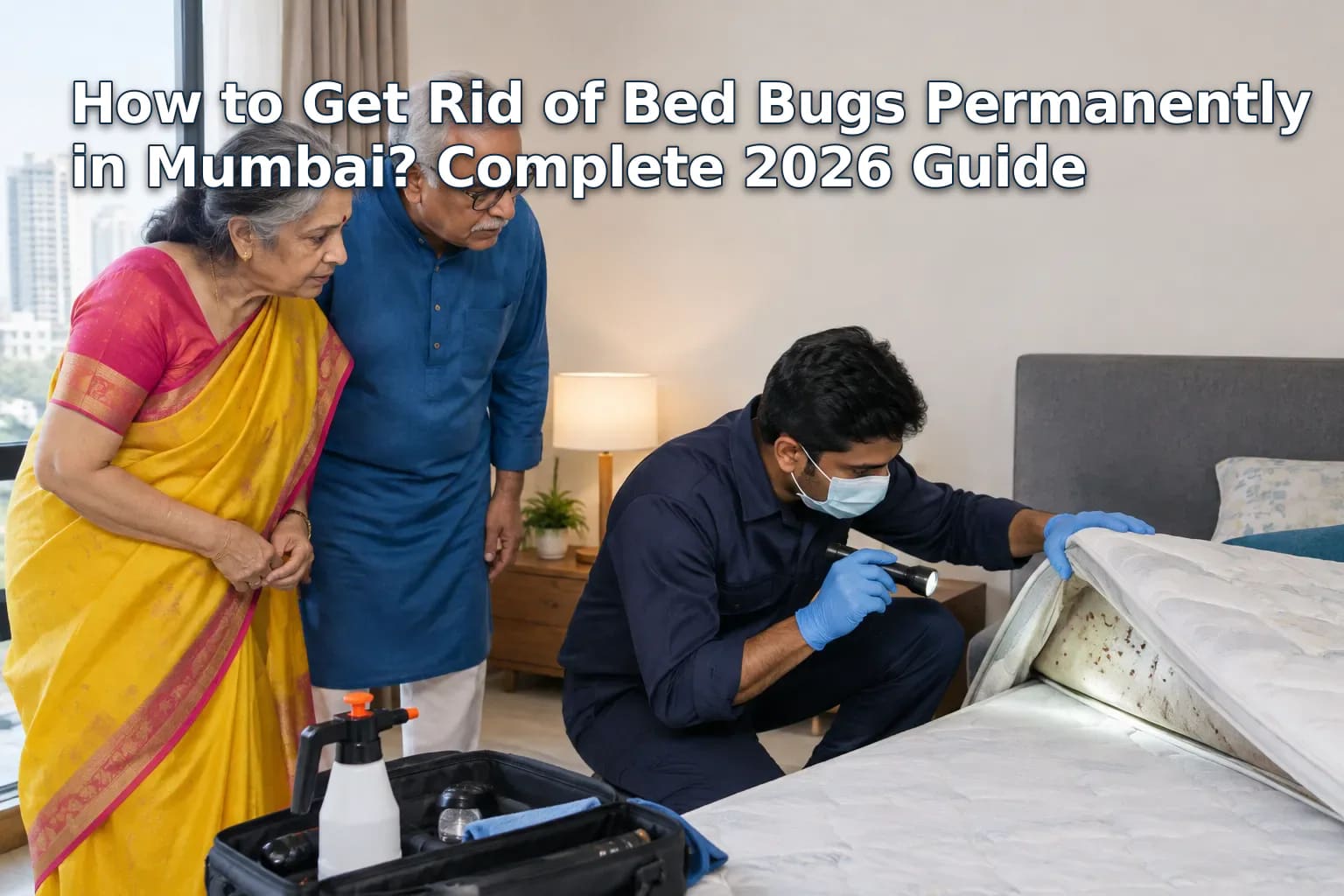
Understanding Bed Bug Behavior and Identification
Understanding the behavior and identification of bed bugs is crucial to effective pest control and successful residential treatment. Bed bugs, particularly Cimex lectularius, exhibit nocturnal behavior and are attracted to warmth and carbon dioxide, making bedrooms prime habitats. These pests can infest pristine environments, as they hitchhike on luggage, clothing, and furniture. Identifying them correctly prevents unnecessary anxiety and misinformation, ensuring an accurate residential inspection checklist.
Key characteristics to help identify bed bugs include:
- Size and Color: Adult bed bugs are roughly the size of an apple seed (5-7 mm) and have a reddish-brown color. Nymphs are smaller and lighter in color.
- Shape: They possess flat, oval-shaped bodies, which helps them hide in tiny crevices.
- Behavior: Primarily active at night, they feed by biting exposed skin, attracted to the heat and carbon dioxide produced by sleeping humans.
To confirm an infestation and start targeted odorless pest control treatment, follow this practical inspection checklist:
- Inspect Mattresses and Bed Frames: Check seams, labels, and any crevice or hole in the bed frame. Use a flashlight for a thorough view.
- Search Bedding and Furniture: Look for shed skins, live bugs, or black fecal spots on bedding and upholstered furniture seams.
- Review Baseboards and Carpets: Check edges and underneath furniture using gentle prying.
- Examine Luggage and Clothing: Especially after travel, scrutinize seams and pockets for signs of bed bugs.
- Utilize Interceptor Traps: Place under bed legs to capture and monitor pest activity, providing critical data for investigators.
Effective pest management hinges on early detection and precise identification, which guides the application of advanced odorless treatments like micro-encapsulated formulations, ensuring a safe and comprehensive eradication strategy without any disruptive smells. Remember, infestations are not a reflection of cleanliness but can happen to anyone, underscoring the importance of professional guidance for efficient control.
Conducting a Thorough Bed Bug Inspection
To initiate effective pest control and residential treatment, a meticulous bed bug inspection is paramount. Start with these actionable steps to ensure you leave no stone unturned. Remember, infestations are not a reflection of cleanliness; bed bugs are masterful hitchhikers thriving discreetly.
Inspection Checklist for Bed Bug Detection:
- Mattress Examination:
- Inspect seams, edges, and mattress underboards.
- Look for reddish-brown fecal spots, skin molts, and eggs.
- Bed Frame and Headboard:
- Check joints, cracks, and screw holes.
- Use a flashlight to spot elusive nymphs and adults.
- Surrounding Furniture:
- Inspect underneath and behind nightstands, dressers, and chairs.
- Utilize a credit card or thin tool to reach crevices.
- Home Fabric Items:
- Investigate curtains, couch cushions, and washable textiles.
- Pay attention to zipper linings and button folds.
- Communication Technology Devices:
- Examine the proximity of outlets and wall hangings.
- Also, inspect infrequently moved items like electronic devices.
- Structural Elements:
- Check baseboards, wallpaper seams, and door frames.
Practical Inspection Tips:
- Lighting: Use a strong flashlight to illuminate potential hiding spots and catch-reflective eyes of bed bugs which may be camouflaged against furniture.
- Tactile Checks: Incorporate the use of double-sided tape around suspected areas to catch wandering bugs.
- Zippered Mattress Encasements: Install these to prevent future harborages, simplifying routine checks.
- Interceptor Traps: Position these under bed legs to monitor for latest activity.
Execute this inspection systematically, aiming to combine thoroughness with efficient, non-disruptive practices. Opt for professional odorless treatments if signs of infestation are present, ensuring that you use methods including micro-encapsulated formulations and barrier protections. This approach not only deals with visible infestations but proactively hinders re-infestation without odor concerns.
Your proactive efforts, paired with professional insights, form a robust defense against these pervasive pests, maintaining peace and disrupting their domain invisibly and inoffensively.
Odorless Treatment Strategies for Bed Bugs
Effective bed bug control begins with a comprehensive inspection and the strategic application of odorless treatments. Bed bugs can inhabit even the cleanest environments by hitchhiking on luggage, clothing, or furniture. Here’s how you can manage them effectively using professional pest control approaches:
Inspection Checklist for Identifying Bed Bug Infestations:
- Visual Examination: Start by examining mattress seams, box springs, headboards, and bed frames for signs of live bugs, shed skins, or tiny dark spots.
- Room Consideration: Extend the inspection to nearby furniture, curtains, electrical outlets, and any cracks or crevices in walls and floorboards.
- Bed Bug Interceptors: Place under bed legs to capture traveling bugs and monitor their presence.
- Zippered Encasements: Use on mattresses and box springs to trap bed bugs and protect against future invasions.
Once an infestation is confirmed, employ targeted odorless treatments that address the root of the problem without compromising safety or air quality:
- Odorless Micro-Encapsulated Formulations: These are professionally applied to reach bed bug harborages and deliver sustained control.
- Contact Applications: Spot-treat directly where bugs are active, providing immediate effects while being odorless and discreet.
- Structural Barrier Protection: Implement physical barriers and exclusion techniques to prevent reentry and ensure long-term efficacy.
This integrated pest management strategy is effective in breaking the bed bug life cycle. Our approach is meticulous and considerate of your living space, providing peace of mind without the nuisance of odors or exposure to odorless, pet-safe formulations. Always prioritize professional methods to ensure complete eradication and keep your home comfortable and safe. For detailed guidance, refer to other sections in our Permanent Odorless Bed Bug Solutions Guide.
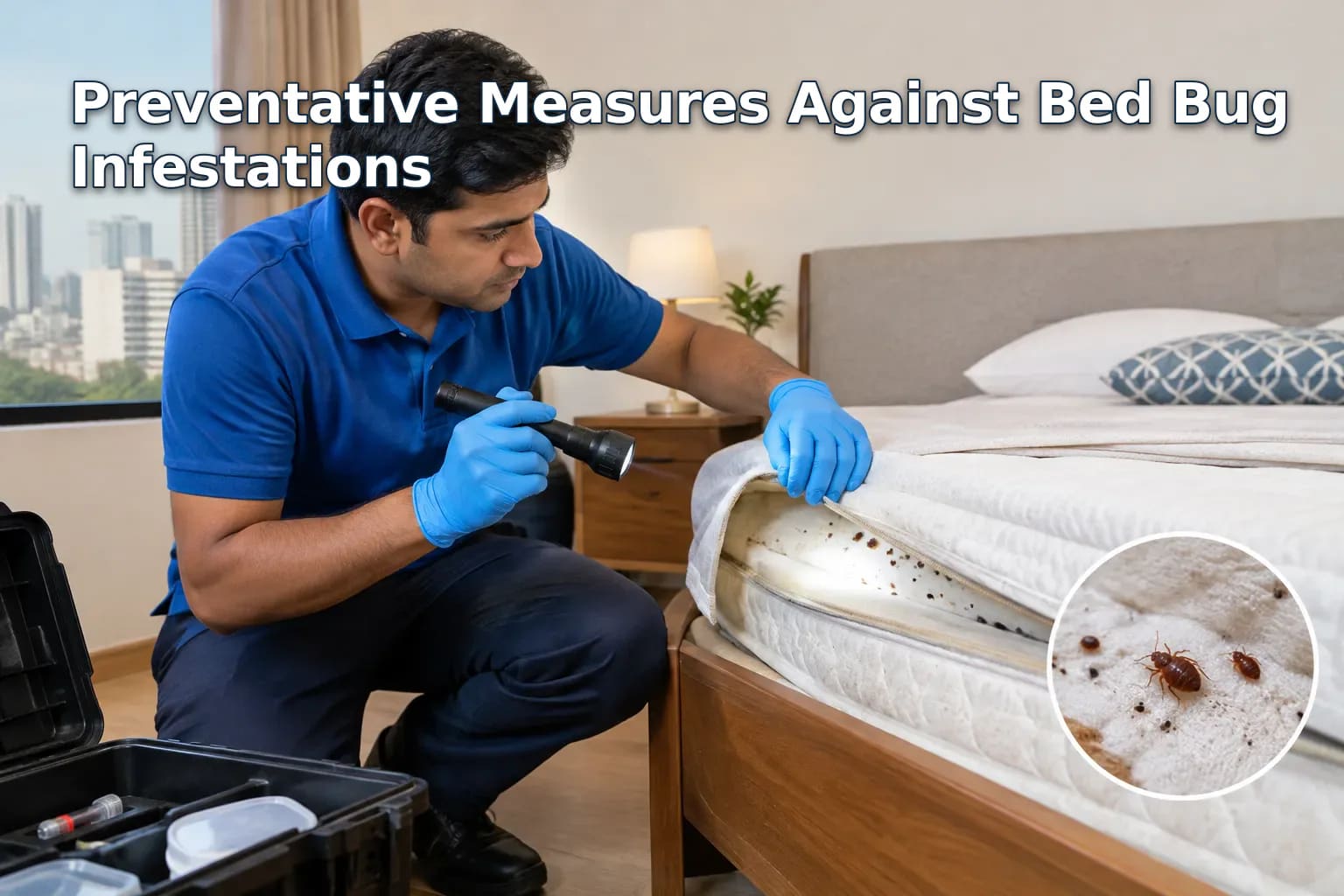
Preventative Measures Against Bed Bug Infestations
Preventing bed bug infestations requires a strategic approach encompassing thorough inspections and consistent monitoring. Early detection means fewer complications and a faster resolution with an odorless treatment plan. Implement the following preventative measures to keep these pests out of your living space:
-
Regular Inspection Checklist:
- Mattresses and Bedding: Regularly inspect seams, tags, and under the mattress. Utilize zippered mattress encasements for protection.
- Furniture Crevices: Check behind headboards, inside drawers, and upholstered furniture for signs of bed bugs.
- Wall Structures: Monitor areas around electrical outlets and picture frames for potential harborage.
- Luggage and Personal Items: After travel, inspect suitcases and wash clothes immediately. Keep bags elevated when staying away from home to prevent bed bug hitchhiking.
-
Odorless Control Techniques:
- Interceptor Traps: Place traps under bed legs to detect infestations early.
- Monitoring Devices: Utilize carbon dioxide and heat-based indicators to lure and trap bed bugs without chemical exposure.
-
Integrated Pest Management (IPM):
- Collaborate with professionals who employ an odorless approach, combining micro-encapsulated formulations and physical barriers.
- Regularly communicate with pest control experts to ensure a tailored, ongoing prevention strategy.
-
Safe Residential Treatments:
- Avoid over-the-counter fumigants; instead, prioritize professional treatments emphasizing an odorless, non-toxic methodology.
- Schedule routine inspections with pest control services, ensuring any potential infestation is caught early and handled with optimal, odorless tactics.
Remember, bed bugs are not a sign of uncleanliness. They are adept hitchhikers that thrive by traveling undetected. By following these proactive steps and enlisting professional pest control services, you can maintain a bed bug-free home environment.
Maintaining a Bed Bug-Free Environment
To maintain a bed bug-free environment, consistent vigilance and proactive measures are indispensable. Begin with a comprehensive inspection checklist to identify potential bed bug activity before it becomes a problem.
-
Regular Inspection:
- Utilize interceptor traps beneath bed and furniture legs.
- Check mattress seams, box spring crevices, and headboards for signs of bed bugs or their exoskeletons.
- Include couch cushions, carpets, and any fabric seams in weekly inspections.
-
Preventative Measures:
- Use zippered mattress encasements to create a barrier against bed bugs nesting within bedding.
- Implement targeted, micro-encapsulated odorless formulations for ongoing residential treatment.
- Seal cracks and crevices in walls, baseboards, and around electrical outlets.
Professional Odorless Pest Control Solutions: When evidence of an infestation arises, contact a professional specializing in odorless pest control. Their expertise ensures:
- Thorough Inspection and Identification: Specialists conduct detailed inspections using safe, non-invasive methods to confirm bed bug presence and nesting sites.
- Tailored Treatment: Every situation is unique; professionals design custom treatment plans utilizing advanced micro-encapsulated odorless formulations, maintaining air quality and safety.
- Ongoing Monitoring and Support: After treatment, follow-up inspections and treatments, if necessary, help maintain a pest-free environment.
Commit to regular cleanliness practices not because of hygiene implications, but to eliminate cluttered hiding spots:
- Clear unnecessary clutter to minimize potential harborage zones for bed bugs.
- Regularly vacuum carpets, fabric-covered furniture, and behind curtains. Dispose of vacuum bags immediately in sealed plastic bags.
Remember, bed bugs are adept travelers that hitch rides on clothing and luggage. As such, frequent travelers should inspect luggage after trips and remain vigilant in high-traffic areas like hotel rooms to prevent accidental introductions into the home. Regularly revisiting these practices will ensure your environment remains free of these unwanted guests.
Frequently Asked Questions
What are the signs of a bed bug infestation?
Signs of a bed bug infestation include reddish-brown insects hiding in mattress seams, small blood spots on sheets, and black fecal spots or shed skins around the bed area.
How can bed bugs be eliminated without strong odors?
Bed bugs can be eliminated without odors by using treatments like diatomaceous earth, which dehydrates pests, or integrated pest management strategies such as heat treatments that don't rely on chemical scents.
Are there natural methods to prevent bed bugs?
Yes, natural prevention methods include regular vacuuming, using protective mattress covers, sealing cracks and crevices, and minimizing clutter where bed bugs might hide.
Why are bed bugs attracted to bedrooms?
Bed bugs are attracted to bedrooms because they prefer warmth and carbon dioxide, which are abundant around sleeping humans, making the bedroom a prime area for feeding.
Related Guides
- Comprehensive Guide to Bed Bug Treatment in Mumbai
- Bed Bug Management in Andheri, Mumbai: Best Practices and Solutions
- Identify and Treat Bed Bug Bites in Mumbai Apartments
- Comprehensive Guide to Bed Bug Control in Delhi Apartments
- Bed Bug Bite Identification Strategies in Mumbai
- Effective Bed Bug Solutions in Whitefield, Bangalore | Safe Treatments
- Comprehensive Guide to Eliminating Bed Bugs in Bangalore
Need Immediate Bed Bug Relief in Your Home?
BedBugsTreatment.co.in offers government-approved chemicals, same-day inspection visits, and a 12-month service warranty across India.