Comprehensive Guide to Bed Bug Control in Delhi Apartments
Bed bugs are a persistent problem in urban environments like Delhi, where dense living conditions and high residencies in multi-unit complexes facilitate their spread. The challenge for residents, especially those in shared accommodations such as hostels and PGs, lies in identifying the infestation early and choosing the most effective treatment approach. Misidentification of bites or reliance on ineffective home remedies can lead to prolonged discomfort. This guide provides thorough insight into identifying and managing bed bug infestations, leveraging both DIY and professional methods within the unique context of Delhi's urban landscape. Understanding the behavioral patterns of these pests and the most effective control strategies will empower residents to address current infestations and prevent future ones.
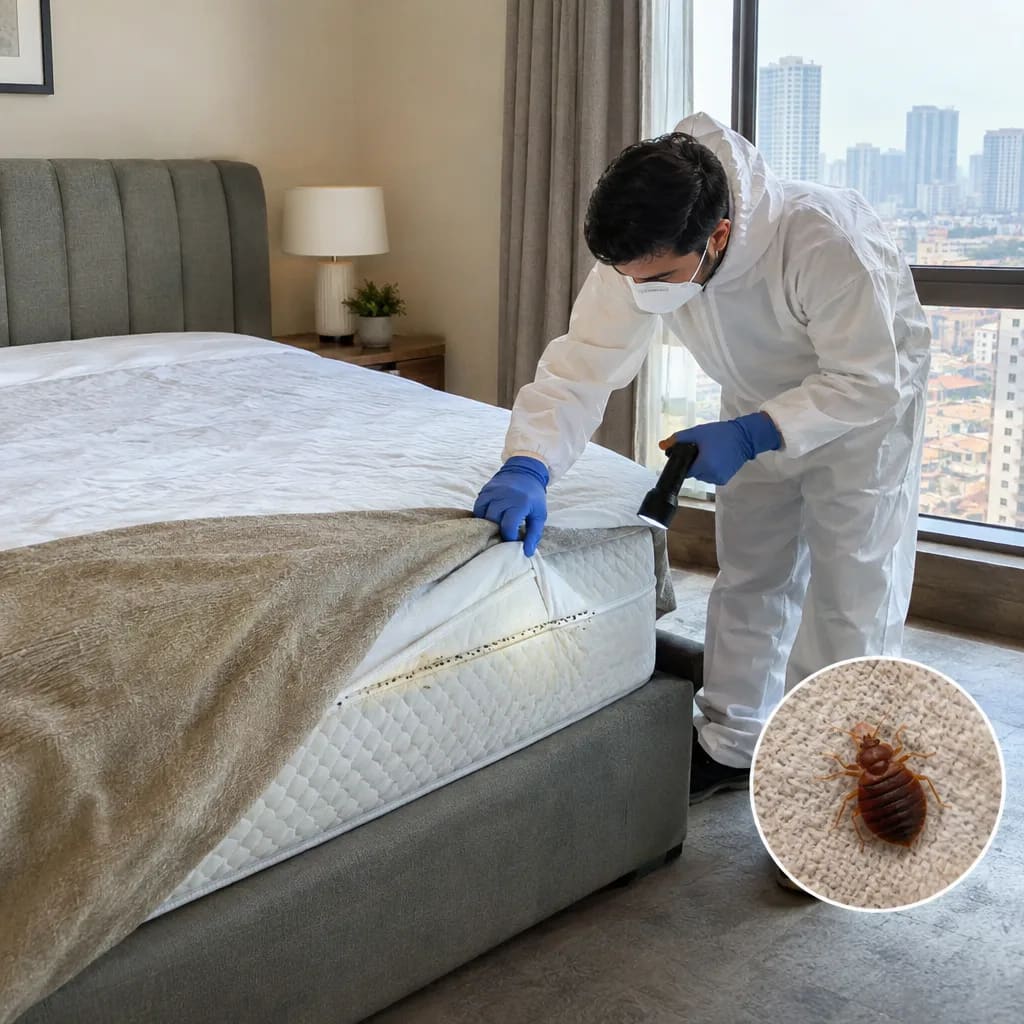
Understanding Bed Bugs: Biology and Behavior
Bed bugs, known scientifically as Cimex lectularius, are small, parasitic insects that feed primarily on human blood. They have adapted to live in close proximity to humans and thrive particularly in urban environments like Delhi. Understanding their biology is crucial for effective control and eradication strategies.
Firstly, it's important to note that bed bugs do not fly or jump. They strictly crawl and rely heavily on hitchhiking via clothing, luggage, and used furniture to spread from one location to another source (E001). This means that any movement or travel heavily increases the risk of unknowingly transporting them to new locations—something particularly relevant for the transient population in Delhi's various hostels and shared accommodations.
Bed bugs are proficient survivors. They can endure without a blood meal for up to a year under optimal conditions, such as those found in the cooler areas of a residence. This resilience contributes to their rapid spread and difficulty in eradication. Female bed bugs lay hundreds of eggs in their lifetime, which hatch every 6 to 10 days. This reproductive capability ensures that populations can remain robust even after attempts to control them.
The most common places where bed bugs harbor include the seams of mattresses, box springs, bed frames, and headboards. They are also likely to be found in cracks and crevices surrounding the bed. In Delhi’s high-density residential setups, such as PG accommodations or apartments, bed bugs can travel between rooms through plumbing and electrical conduits, making comprehensive control necessary for entire complexes source (E013).
Identifying Bed Bugs: Symptoms and Signs
Recognizing the presence of bed bugs early is essential for preventing infestations from becoming unmanageable. However, identification can be challenging because their bites resemble those from other insects such as mosquitoes and fleas, and reactions to bites vary significantly among individuals.
Bite marks, while a common sign, cannot confirm a bed bug infestation as they closely resemble allergic reactions or other insect bites. Confirming an infestation requires finding physical evidence such as live bugs, cast skins, fecal spots, or eggshells source (E002). Bed bug bites often appear in a line or cluster and can cause itchiness and irritation, which might lead residents to mistakenly attribute them to allergic reactions.
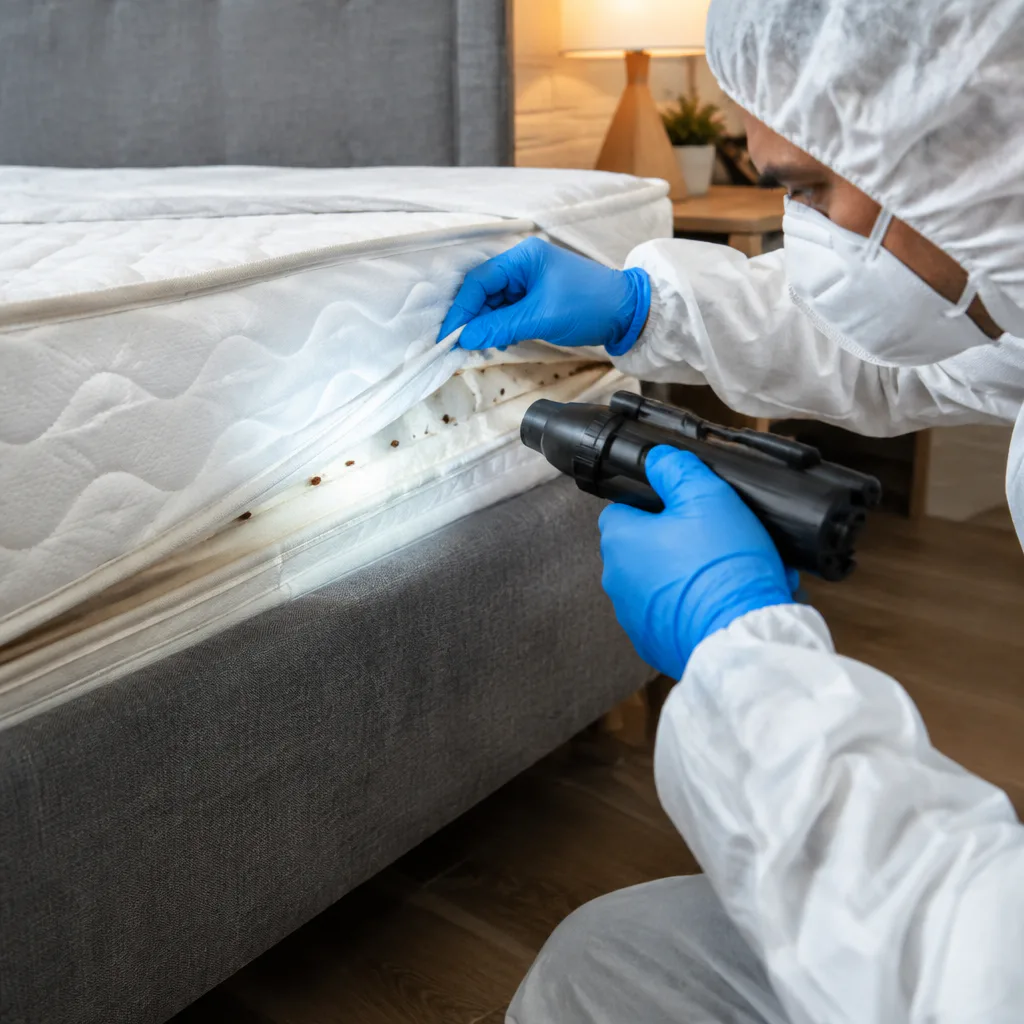
To effectively identify an infestation, one should conduct a thorough inspection of the bed and surrounding areas. Look for small rust-colored spots on bedding, which may indicate bed bug excrement. Additionally, check for exoskeletons or shells that bed bugs cast off as they mature. Eggs are typically laid in clusters and are small, whitish, and slightly transparent.
For residents in dense urban areas like Delhi, regular inspections, especially after travel or hosting guests, can help catch infestations early. Learning to spot these physical signs, rather than relying on bites, is key to managing an infestation swiftly and effectively.
Moreover, utilizing pest control professionals can be particularly valuable in identifying bed bugs correctly. They have the experience and training to find bugs in less obvious locations within an apartment, ensuring thorough examination beyond just the bedding. When in doubt, a professional inspection can save time and reduce the risk of infestation spread.
Inspection Checklist: Room-by-Room Guidance
Conducting a thorough inspection for bed bugs involves methodically checking various parts of your living space to confirm their presence. This inspection should be detailed and executed across all rooms, especially in shared accommodations typical in Delhi.
Bedroom Inspection:
- Bed and Linens: Begin by stripping the bed sheets and examining the mattress seams, box springs, and bed frames. Use a flashlight to enhance visibility in dim lighting. Check for any signs of fecal spots, cast skins, or eggshells.
- Pillows and Cushions: Remove pillowcases and inspect the seams for bugs or eggs.
- Bedroom Furniture: Move to dressers and nightstands. Pull out drawers and inspect the inside of corners and cracks. Bed bugs can hide in wood joints.
Living Area Inspection:
- Sofas and Armchairs: Check seams, tufts, skirts, and zippers for any signs of bed bug activity. Repeat with all upholstery.
- Crevices and Cracks: Utilize a thin card to run along baseboards and creases, which can harbor small bugs.
Shared Utilities and Storage Areas:
- Corners and Clusters: Particularly in shared housing, inspect behind picture frames and wall hangings where bugs could migrate from adjacent rooms via shared walls or utility openings source (E013).
- Luggage and Backpacks: Regularly used items and storage should be checked, especially after travels or visitors.
Electronic Devices:
- Screens and Devices: Devices like computers and televisions, especially if situated near beds, should also be inspected, as the warmth can attract bed bugs.
The key to a successful inspection is patience and thoroughness. Each nook and cranny within your living space should be examined methodically. Missed areas can provide safe havens for bugs to repopulate even if partial treatments have been undertaken. This step-by-step approach ensures you do not overlook common hiding spots that can harbor these resilient pests.
Physical Evidence vs. Bite Marks: What to Look For
While bites are often the first sign residents notice, they are not definitive proof of bed bugs due to their similarity to other insect bites and allergic reactions. Thus, focusing on physical evidence is more reliable for identifying an infestation.
Physical Evidence:
- Live Bugs: These are typically reddish-brown and about the size of an apple seed when mature. Check around seams of mattresses and upholstered furniture.
- Cast Skins: As they grow, bed bugs shed their exoskeletons. Finding these around sleeping areas is a clear indicator.
- Fecal Spots: Small, dark stains or rust-colored spots on sheets and mattresses are from digested blood.
- Eggs and Eggshells: These are tiny and pale, often found in clusters.
Differentiation from Bite Marks:
- Placement: Bed bug bites are commonly arranged in lines or clusters as they often feed in one area over time. However, it's prudent to note that the presence of these alone is insufficient for confirmation due to the possible confusion with reactions from other insects.
- Avoid Relying Solely on Bites: Sensitivity to bites varies greatly, and some individuals may barely react, further complicating reliance on bites alone for detection. Focusing on physical signs ensures a more accurate assessment of infestation presence.
In conclusion, while bites can hint at an infestation, confirmation requires a search for physical indicators. This methodical approach prevents misdiagnosis and facilitates quicker, more effective control.
Preparing Your Room for Treatment: A Step-by-Step Guide
Ensuring your room is properly prepared for treatment is critical to effectively eliminate bed bugs. This involves organizing belongings, clearing clutter, and ensuring that any preparations for professional or DIY treatments are safely conducted.
Step-by-Step Room Preparation:
-
Declutter: Remove unnecessary items from the room. Clutter offers hiding spots for bed bugs and can obstruct treatment applications.
-
Launder Fabrics: Wash all bedding, clothing, and washable items at high temperatures. Drying should be done at high heat for at least 30 minutes to kill all life stages present on fabrics source (E005).
-
Seal and Bag Items: Non-washable items should be sealed in plastic bags and, if necessary, treated using alternatives like heat or freezing.
Markdown Table Example:
| Item | Treatment Method | Duration |
|---|---|---|
| Bedding | Wash & Dry at high temp | At least 30 minutes |
| Clothes | Wash & Dry at high temp | At least 30 minutes |
| Books & Electronics | Sealed bag - optional freezing | 48 hours (min. if applicable) |
4. **Vacuum Thoroughly:** Use a vacuum cleaner with a HEPA filter to suck up bed bugs from carpets, rugs, bed seams, and around baseboards. Dispose of the vacuum bag in an outside trash can immediately.
5. **Remove Wall Hangings:** Take down pictures and decorations. Inspect behind them for bugs and either treat or seal these items.
6. **Use of Vapors:** If steam cleaning is part of your method, apply it directly to bed bugs on surfaces. However, be aware that steam cannot penetrate deep structures [source](https://vtechworks.lib.vt.edu/handle/10919/49339) (E006).
Completing these steps methodically helps ensure no areas are missed that could harbor bed bugs, facilitating more successful treatment outcomes. Proper preparation can significantly enhance the effectiveness of subsequent treatments, whether DIY or professional.
## DIY Bed Bug Treatment: Pros, Cons, and Safety
DIY bed bug treatments are often considered due to their initial cost-effectiveness and convenience. However, residents should fully understand the advantages, disadvantages, and safety concerns of such methods before proceeding.
**Pros of DIY Treatments**:
- **Cost-Effectiveness:** DIY treatments generally cost less upfront compared to professional services.
- **Immediate Action:** Chemicals and techniques can be applied promptly, particularly useful for small, early-detected infestations.
**Cons and Safety Concerns**:
1. **Effectiveness of Home Remedies:** Many common DIY solutions like turmeric, neem oil, and lavender lack scientific evidence of effectiveness against bed bugs. They are often inadequate for serious infestations [source](https://entomology.ca.uky.edu/ef636) (E007).
2. **Chemical Safety:** The use of household chemicals such as kerosene, camphor, or rubbing alcohol is not recommended due to their flammable nature and potential safety hazards [source](https://www.epa.gov/bedbugs/safety-bed-bug-control) (E009).
3. **Limited Penetration:** DIY treatments often fail to reach bed bugs in deep crevices or within walls, allowing populations to recover.
**Safe DIY Methods**:
- **Heat Treatment:** Use dryers to treat clothes and heat rooms or selected items to a specific temperature to kill bugs [source](https://www.extension.purdue.edu/extmedia/E/E-249-W.pdf) (E004).
- **Vacuuming & Steam:** Consistent vacuuming and steam treatments for direct contact can aid in managing visible bed bug populations.
- **Diatomaceous Earth:** Using food grade diatomaceous earth can be effective, but be mindful of respiratory risks associated with inhalation and use it sparingly [source](https://npic.orst.edu/factsheets/degen.html) (E008).
**Markdown Table Example**:
```markdown
| Treatment Type | Safety Measures | Effectiveness |
|--------------------------|----------------------------|--------------------|
| Steam | Direct contact only | Limited deep reach |
| Food grade diatomaceous earth | Apply thinly, avoid inhalation | Partial |
| Chemical sprays | Use with precaution | Varies with product|
In sum, while DIY methods offer a measure of control, they often require extensive preparation and careful consideration of safety and long-term effectiveness.
Professional Bed Bug Treatment: What to Expect
Opting for professional bed bug treatment offers several advantages that are sometimes not attainable through DIY methods alone, especially in densely populated urban areas like Delhi.
Advantages of Professional Services:
- Thorough Inspection and Identification: Professionals can identify infestations more reliably using their expertise and equipment that detects bugs in hard-to-see places.
- Effective Treatment Plans: Effective treatments often combine chemical, heat, and other methods tailored to the density and scope of the infestation.
- Multi-visit Approach: Since bed bug eggs may hatch after an initial treatment, professional services typically involve several visits to ensure comprehensive eradication. Follow-up treatments help address newly emerged bed bug populations source (E010).
Cost Considerations:
- Variable Pricing: Costs are influenced by factors such as property size, infestation severity, and the number of required visits. Accurate quotes depend on on-site inspections source (E011).
Markdown Table for Professional vs DIY:
| Aspect                 | Professional Treatment      | DIY Treatment                   |
|------------------------|-----------------------------|---------------------------------|
| Problem Identification | Expert and thorough         | Limited by knowledge            |
| Treatment Effectiveness| Higher due to expertise and equipment | Variable based on methods        |
| Cost                   | Dependent on service scope  | Lower initial, potential recurrence|
| Safety                 | Controlled and monitored    | Varies, depends on precautions  |
Special Considerations for Delhi: Professional companies operating in Delhi are adept at handling typical challenges such as shared utilities and dense housing situations source (E012). Due to the urban dynamics, ensuring that treatments are comprehensive and encompass entire buildings or complexes might be necessary to avoid migration between units.
In conclusion, while professional service entails higher upfront costs, the long-term benefits in thoroughness, safety, and effectiveness make it a formidable option in tackling bed bug infestations, particularly in a unique urban environment like Delhi.
Prevention Strategies to Avoid Re-Infestation
Once a bed bug infestation has been addressed, whether through DIY methods or professional services, the next critical step is prevention. Preventive measures are particularly important in shared living environments susceptible to reinfestation due to shared resources and spaces.
Regular Inspection Routines:
- Weekly Checks: Conduct regular inspections of all sleeping and lounging areas. This includes checking mattress seams, furniture cracks, and electrical outlets.
- Post-Travel Checks: After traveling, inspect luggage and wash clothing immediately in high temperatures before bringing them into the main living spaces.
Correct Maintenance Practices:
- Seal Cracks and Crevices: Regularly seal potential entry points around ceilings, walls, and floors to minimize the risk of bed bugs entering from adjacent units, especially in Delhi's high-rise apartments.
- Furniture Care: Avoid bringing second-hand furniture into your home without thoroughly checking and treating it for bed bugs. If possible, avoid it altogether to reduce risk.
Adopt Preventive Equipment:
- Mattress Encasements: Use specially designed mattress and box spring encasements to trap any existing bed bugs and prevent new infestations.
- Interception Devices: Install interceptors under bed legs, which are an effective early warning system by capturing bugs traveling towards your bed.
Community Awareness and Action:
- Educational Campaigns: Engage with building management and fellow residents to conduct educational drives. Understanding how to identify bed bugs and what compelling evidence looks like can ensure quicker, community-wide responses.
Preventive strategies not only save costs but also contribute to more comfortable living conditions. Community involvement in preventative measures can reduce reinfestation instances significantly, especially in urban areas where individuals may otherwise feel responsible only for their immediate surroundings. Adoption and routine implementation of these measures can drastically reduce the hassle associated with repeated infestations.
Considerations for Delhi Apartments and Shared Living Spaces
Delhi, with its unique combination of high population density, transient population—including students and professionals—and humid climate offers a perfect storm for bed bug problems. This section considers specific challenges and solutions for residents in Delhi.
Shared Living Considerations:
- High Resident Turnover: In PGs and hostels, frequent occupancy changes and shared utilities raise the likelihood of infestations spreading rapidly through luggage and personal belongings.
Shared Utilities:
- Utility Shafts and Structures: Bed bugs can migrate between apartments through shared utilities such as plumbing and electrical systems, exacerbating the spread across entire buildings. Sealing these entry points can significantly reduce spread source (E013).
Climatic Influence:
- Humidity and Warmth: The typical climate in Delhi can expedite the reproduction and growth cycle of bed bugs as they thrive in warmer conditions, making timely inspections and monitoring more crucial.
Cultural Practices:
- Use of Chemical Products: Depending on cultural acceptance, some residents may avoid chemical treatment methods. It is important to communicate options clearly, including non-chemical treatments.
- Building Management Cooperation: Coordinated pest management efforts between multiple units and the building management can help to achieve effective control and help in reducing future outbreaks.
To effectively manage bed bugs in Delhi residences, a mindful consideration of these unique city dynamics is required. Empowering residents through education and cooperation with building management will enhance shared living quality. Additionally, consistent inspections and preventative strategies should be emphasized to safeguard against future re-infestations, ensuring a healthier, more comfortable living environment.
Frequently Asked Questions
How do I know if I have bed bugs or another pest?
Physical evidence of bed bugs, such as live insects, cast skins, eggshells, and fecal spots, is necessary to confirm an infestation. Bite marks alone are not a reliable indicator as they resemble those of mosquitoes or fleas.
What are the most effective treatment methods for bed bugs?
Professional treatments using integrated pest management strategies—including chemical, heat, and steam methods—are often most effective as they account for the lifecycle and hiding places of bed bugs.
How can I prevent bed bugs from spreading in my building?
Regular inspections, sealing off entry points, using mattress encasements, and community cooperation are key to preventing the spread of bed bugs in shared buildings.
What are the costs associated with professional bed bug treatment in Delhi?
Exact costs depend on property size, infestation severity, and treatment type. Quotes are generally provided upon inspection as prices depend on various factors.
Can I treat bed bugs on my own, and is it safe?
DIY methods can be effective for small infestations but must be done safely. Avoid flammable chemicals and ensure thorough treatment coverage. Professional help is recommended for larger infestations.
Suspecting Bed Bugs in Your Home?
Still finding physical signs of bed bugs or waking up with unexplained bites? Request a thorough inspection to determine the exact extent of the infestation and explore targeted, integrated treatment options.
References & Verified Sources
- Bed Bugs: Biology and Behavior — US Environmental Protection Agency (EPA). Supports: Bed bugs cannot fly or jump; they move strictly by crawling and hitchhiking on clothing, luggage, and used furniture.
- Bed Bugs FAQs: Signs and Symptoms — Centers for Disease Control and Prevention (CDC). Supports: Bite marks alone cannot confirm a bed bug infestation because bites closely resemble reactions from mosquitoes, fleas, or allergies; physical evidence (live bugs, cast skins, fecal spots, or eggshells) is required for confirmation.
- Integrated Pest Management for Bed Bugs — US Environmental Protection Agency (EPA). Supports: Because bed bug eggs can hatch 6 to 10 days after an initial treatment and bed bugs possess natural behavioral resistance, professional eradication typically requires an integrated multi-visit approach with follow-up monitoring.
- BedBugsTreatment Service Policy and Inspection Protocol — BedBugsTreatment.co.in. Supports: BedBugsTreatment.co.in does not publish fixed online treatment prices because service costs depend on the property size, room layout, severity of the infestation, treatment method selected, and the number of follow-up visits required; all quotes are provided only after an inspection.
Need Immediate Bed Bug Relief in Your Home?
BedBugsTreatment.co.in offers government-approved chemicals, same-day inspection visits, and a 12-month service warranty across India.