How to Inspect Secondhand Furniture for Hidden Bed Bugs
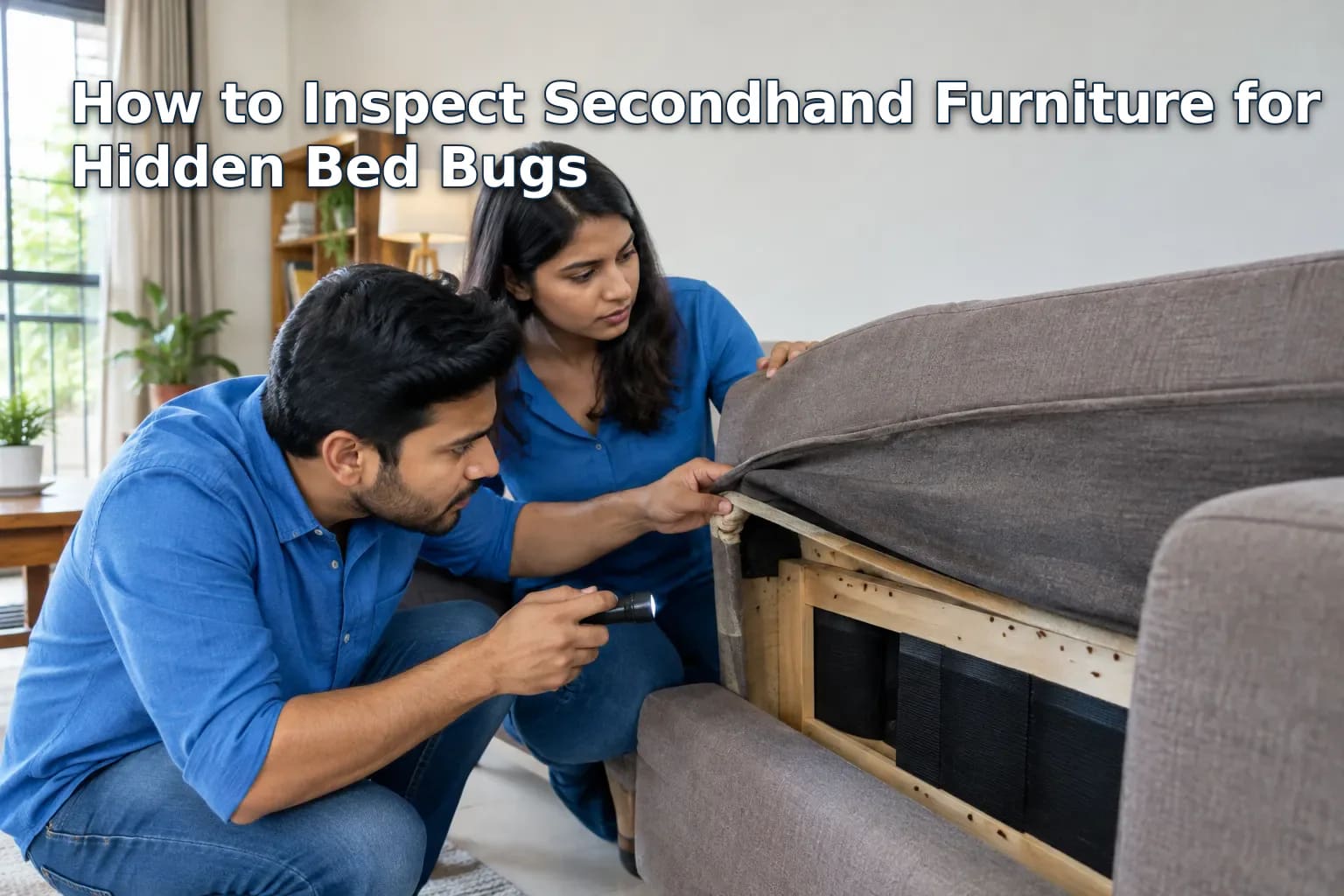
Identifying Bed Bug Signs on Furniture
Identifying signs of bed bugs in secondhand furniture is pivotal for effective pest control and preventing infestations. Begin your inspection by gathering a simple inspection checklist, which will aid in conducting a thorough examination.
-
Visual Inspection: Utilize a flashlight and magnifying glass to inspect joints, seams, tufts, and crevices of furniture, focusing especially on beds, couches, and chairs. Bed bugs commonly leave small, rust-colored spots of excrement or molted skins—both are indicators of current or past infestation.
-
Nymph and Egg Search: Bed bug nymphs are tiny, translucent, and difficult to spot. Check hidden folds and seams for white, rice-sized eggs. Since these areas are their typical harborage zones, focusing here increases your chances of detection.
-
Odorless Treatment Methodology: Should signs be found, employ our specialized odorless treatments which are crucial in eliminating bed bugs while maintaining a safe environment. These include odorless micro-encapsulated formulations and targeted odorless contact applications. Avoid odorless treatment and DIY foggers that can exacerbate the issue.
-
Use of Physical Barriers: Incorporate protective zippered mattress encasements and interceptors under furniture legs to trap and monitor bed bugs. These barriers serve as both a preventative and diagnostic tool during your inspection process.
-
Behavioral Indicators: Understand that Cimex lectularius are nocturnal and attracted to carbon dioxide and warmth. This knowledge aids in recognizing unusual patterns like concentrated excretions or molted skins in warmer areas of a room.
-
Professional Follow-Up: If there's evidence of infestation or the inspection is inconclusive, consult a professional specializing in odorless treatments for a comprehensive pest control strategy that ensures swift and permanent eradication.
Remember, finding bed bugs isn't a reflection of cleanliness—these resilient pests can be found in any environment. Be proactive, thorough, and utilize a methodical approach to keep your home free from bed bug intrusions.
Comprehensive Furniture Inspection Checklist
Begin your secondhand furniture inspection with the right tools: a flashlight, magnifying glass, and a set of thin cards. These items will help expose any hidden signs of bed bug presence, ensuring the effectiveness of any potential residential treatment using odorless methods. Here's a comprehensive inspection checklist to follow:
-
Initial Visual Sweep
- Examine all sides, seams, and crevices of the furniture.
- Look for small, rust-colored stains or dark spots, often bed bug fecal marks.
- Identify shed nymph skins, appearing as small, translucent shells.
-
Detailed Seam and Crevice Examination
- Use the magnifying glass to inspect mattress piping, upholstery folds, and fabric seams.
- Run thin cards along seams and joints to unearth embedded bed bugs or nymph casings.
-
Underside and Framework Check
- Turn furniture over to inspect the undersides and the legs.
- Use a flashlight to scan for activity in wooden joints and screw holes.
-
Special Attention on Cushions and Soft Items
- Remove cushions and examine their zippers and seams.
- Inspect beneath any attached cushions by lifting or gently pulling away.
-
Hidden Shelves and Drawers Inspection
- Open and remove drawers to access the inner framework and recesses.
- Use the flashlight to illuminate internal corners for any signs or live pests.
-
Structural Integrity Assessment
- Evaluate for any cracks or wood separations that might harbor pests.
- Note that solid, well-fitted joints are less likely to provide hiding spots for bed bugs.
Regularly following this inspection checklist plays a critical role in integrated pest control by providing early detection, ultimately enhancing the success of targeted, odorless residential treatment. Remember, cleanliness does not prevent infestations—bed bugs are expert hitchhikers, and vigilance is your best defense. If signs of infestation are present, always opt for professional odorless treatment methods, ensuring a safe and comprehensive resolution.
Safe Handling and Quarantine Procedures
When acquiring secondhand furniture, the utmost care is necessary to avoid a hidden bed bug problem. The pest control starts even before you bring the item into your home. Here's how to apply effective residential treatment strategies and follow an inspection checklist to ensure safety.
-
Visual Inspection: Start by examining all surfaces, including crevices, seams, and folds, with a flashlight. Utilize a magnifying glass if necessary to identify any small nymphs or fecal spots.
-
Inspecting Seams and Cracks: Pay particular attention to areas where bed bugs often hide. This includes zippers, under cushions, behind fabric folds, and around any nooks like joint areas or drawer corners.
-
Isolation Area: Designate a quarantine area in a garage or basement where furniture can be thoroughly inspected without risk of spreading. Use plastic sheeting to prevent any potential migration to other areas.
-
Safe Handling: Wear gloves and light-colored clothing to easily detect any stowaways that might hitchhike onto you during the examination. Standing furniture on a white sheet can help to visually inspect for any bugs dropping out.
-
Pose Questions to Sellers: Before purchase, inquire about the furniture's history, previous habitation details, and any pest control treatments conducted.
-
Apply Interceptor Traps: For an ongoing solution, apply specialized interceptor traps to the legs of the furniture to monitor for any emerging pests and promptly evaluate any trapped specimens.
To ensure foolproof pest control and prevention, incorporate our advanced line of odorless treatment options. These include micro-encapsulated odorless formulations and targeted contact applications tailored to safeguard your home environment without any odorless, pet-safe formulations residues. After securing the furniture indoors, a thorough follow-up inspection is recommended to confirm no unnoticed intruders have settled. By taking these precautionary steps, you can enjoy your new furniture with peace of mind and maintain a pest-free living space.
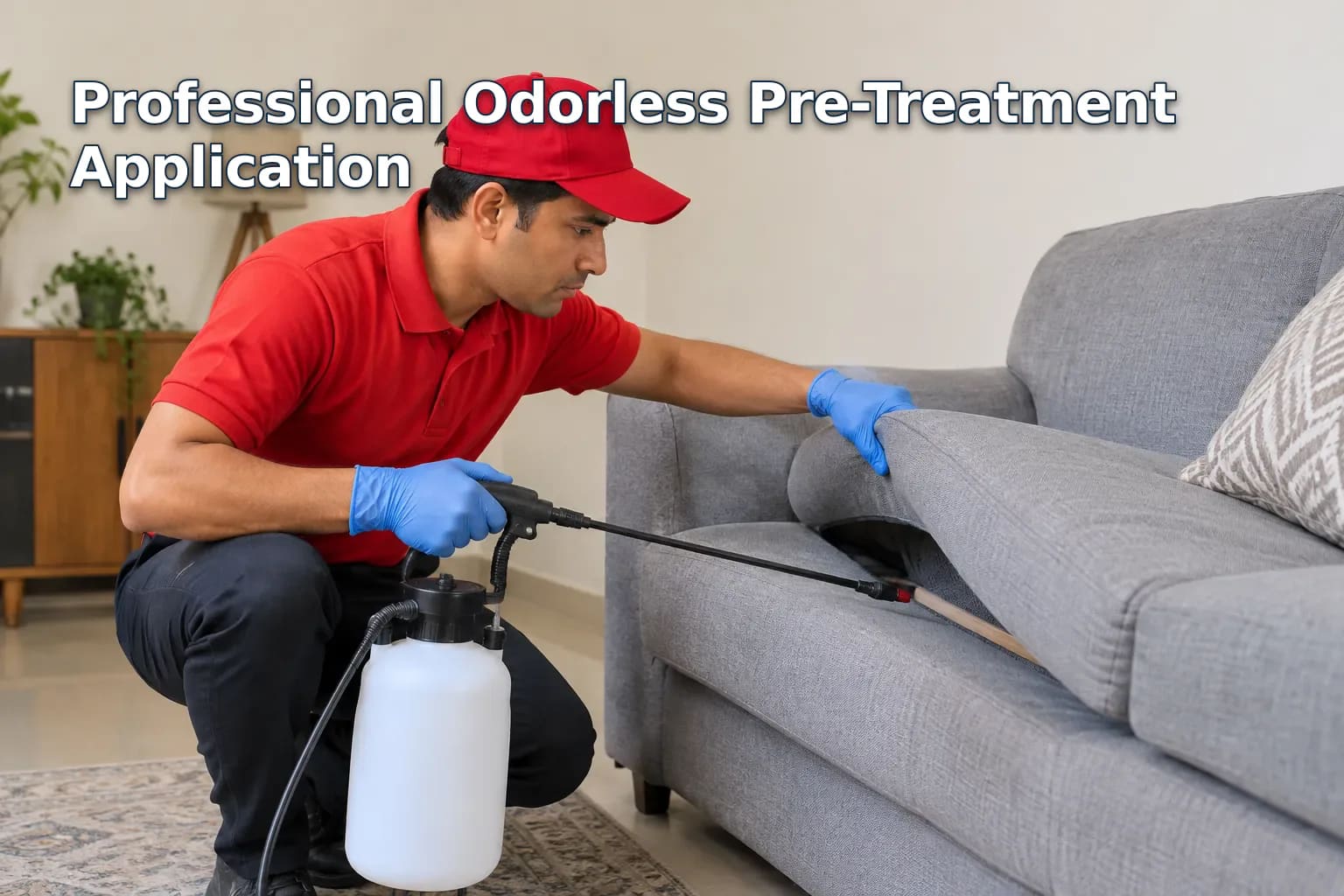
Professional Odorless Pre-Treatment Application
Ensuring your home remains a bed bug-free sanctuary starts with a thorough inspection and the judicious application of professional odorless treatments. These treatments play a crucial role in Integrated Pest Management, emphasizing prevention and safe intervention. Here's a checklist to guide your process when inspecting and preparing to treat secondhand furniture.
-
Initial Inspection:
- Visually inspect furniture seams, crevices, and under cushions. Bed bugs often hide in nooks and crannies.
- Use a flashlight to illuminate small spaces where bed bugs or their exoskeletons may reside.
- Look for small dark spots (excrement) or the presence of egg casings.
-
Odorless Treatment Application:
- Zippered Mattress Encasements: Envelop mattresses and box springs to prevent bed bugs from escaping or entering.
- Interceptor Traps: Place under furniture legs to capture wandering bugs, providing critical data on bed bug presence.
- Micro-Encapsulated Formulations: Use targeted applications in crevices and joints of wood and fabric. These are designed to be safe, odorless, and effective over time.
-
Professional Evaluation:
- Consider having a pest control expert conduct a residential treatment, utilizing their expertise to ensure thorough coverage without reliance on disruptive chemicals.
- Professional odorless treatments are tailored to eliminate infestations without alerting or scattering bed bugs to other areas.
-
Preventative Strategies:
- Keep furniture away from walls and other furniture when possible to reduce pathways.
- Regularly inspect and clean areas where bed bugs might travel.
By adhering to this structured approach, homeowners and property managers can effectively reduce the risk of infestation while maintaining the utmost safety standards. Remember, bed bugs do not discriminate—they can thrive in any environment given the opportunity. Professional odorless treatments offer a discreet, effective solution to uphold your home's comfort and peace of mind.
Maintaining a Bug-Free Home After Purchase
Once you have inspected and purchased secondhand furniture, it’s essential to maintain a bug-free home through diligent practices. Begin by implementing a regular pest control schedule that relies on advanced, odorless treatment methods tailored for residential environments. Understanding that bed bugs are adept hitchhikers, use the following checklist to prevent future infestations and address any signs promptly:
- Routine Inspections: Schedule visual inspections at least once a quarter. Pay attention to seams, joints, and folds where bed bugs may hide.
- Bed Encasements: Use high-quality, zippered mattress encasements and pillow protectors. This physically excludes bed bugs from their primary feeding areas.
- Interceptor Traps: Place interceptor traps under bed and furniture legs to catch any wandering bugs. These should be checked monthly for activity.
- Declutter Regularly: Eliminate clutter in bedrooms, living rooms, and storage areas to minimize potential hiding spots.
- Educate Your Household: Inform household members about bed bug hitchhiking behaviors and active prevention techniques.
Additionally, practice proactive reminders about maintenance:
- Immediate Laundering: Upon detecting signs of bed bugs, immediately launder clothing and bedding in hot water and dry on high heat.
- Vacuuming Strategy: Regularly vacuum floors, especially around furniture edges and crevices. Dispose of vacuum bags in sealed plastic bags away from your living area.
- Travel Precautions: After traveling, inspect luggage thoroughly before bringing it into your residence.
Should you suspect an active infestation, consult with a professional who uses odorless treatments including micro-encapsulated formulations and targeted contact applications. Always opt for integrated pest management which combines thorough inspection with non-toxic interventions. Remember, bed bug infestations are indiscriminate of hygiene and occur in spotless environments. An informed, preventive approach will safeguard your home without relying on harmful chemicals. For additional resources, consider reviewing our detailed inspection checklist here and ensure a tranquil, bug-free living space.
Frequently Asked Questions
What are the common signs of bed bugs on furniture?
Common signs include rust-colored spots of excrement, molted skins, and the presence of small, white, rice-sized eggs. Inspections should focus on seams, joints, and crevices.
How should I prepare for inspecting secondhand furniture?
Prepare by assembling a flashlight, magnifying glass, and a checklist. Focus on areas where bed bugs hide, such as seams and crevices, using these tools to spot indicators of an infestation.
What steps should I take if I find bed bugs during inspection?
If bed bugs are found, use odorless treatments that are safe and effective. Consider employing professional pest control services for thorough eradication.
How can I prevent bringing bed bugs into my home with secondhand furniture?
Use protective barriers like mattress encasements and interceptors. Thoroughly inspect furniture before bringing it inside, and clean it using approved, safe methods.
Related Guides
Need Immediate Bed Bug Relief in Your Home?
BedBugsTreatment.co.in offers government-approved chemicals, same-day inspection visits, and a 12-month service warranty across India.