Identifying Bed Bug Infestations in Furniture
Understanding Bed Bug Behavior and Infestation Patterns
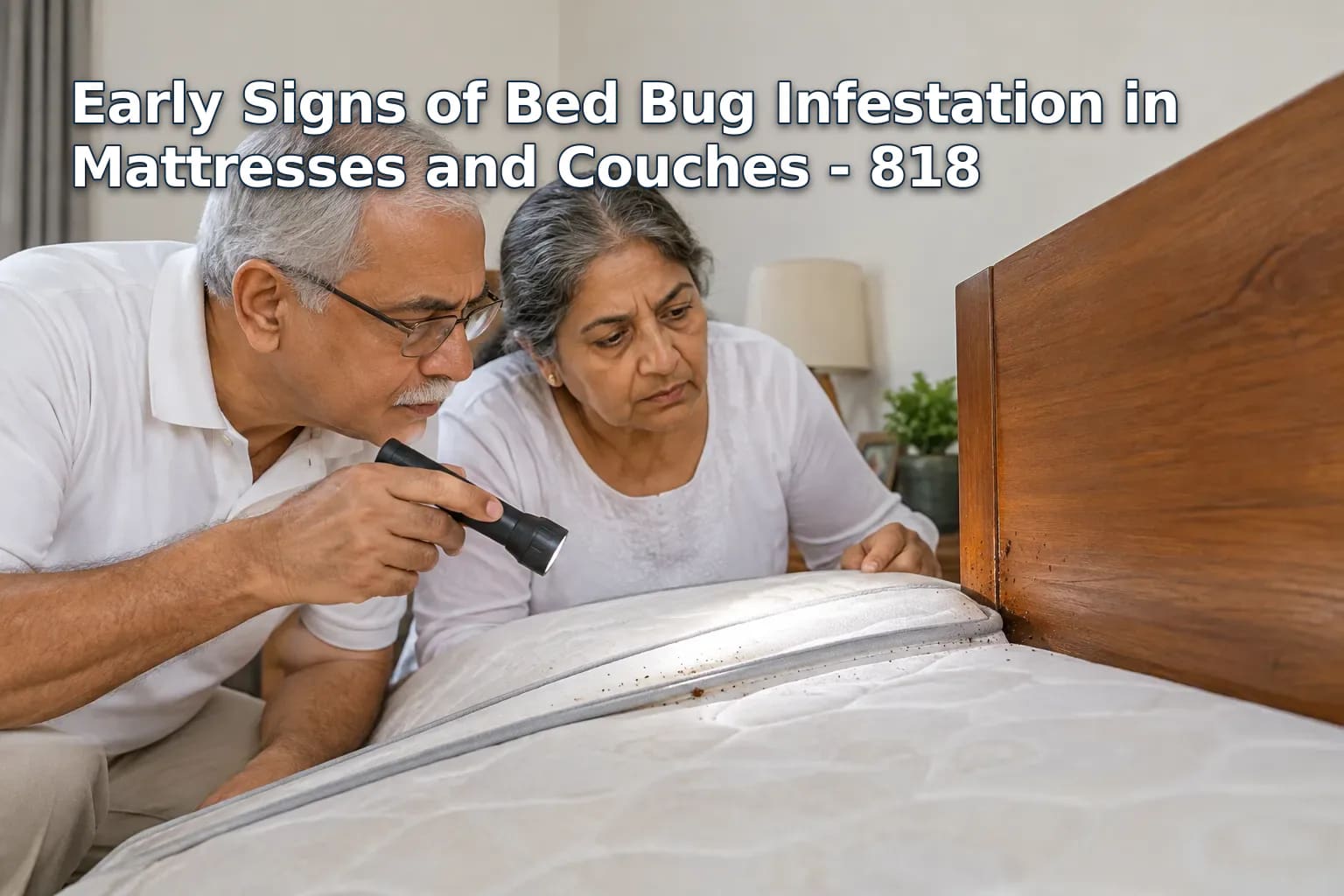
Recognizing the early signs of a bed bug infestation on mattresses and couches is crucial for timely intervention. You may spot these elusive pests by closely examining common hiding places using a keen eye and strategic approach. Start with these critical inspection points:
- Live Bugs: Visually inspect seams, tags, and under cushions. Bed bugs are small, flat, and red-brown.
- Blood Stains: Look for rust-colored spots on linens or upholstery, indicative of crushed bugs after feeding.
- Dark Spots: Small, black dots may be excreta. Check mattress seams, bed frames, and couch creases.
- Skin Shedding: Nymphs, like all insects, molt. Search for translucent skins near harborage areas.
- Eggs: Tiny, white, and sticky, eggs are often hidden in seams and crevices, making them hard to spot.
Early detection involves a methodical search, even in pristine environments, due to the nocturnal and elusive nature of bed bugs. Effective management starts with odorless treatments and integrated pest management:
- Odorless Micro-Encapsulated Treatments: Apply these to harborages without leaving any lingering scent.
- Mattress Encasements: Use zippered encasements to trap and isolate bugs, preventing their escape or entry.
- Interceptor Traps: Place these under bed posts as a passive monitoring tool to capture migrating bed bugs.
- Physical Exclusion: Utilize safe removal practices, avoiding harmful sprays and foggers which can worsen the infestation.
Remember that bed bugs can infest any clean or cluttered environment, spreading via hitchhiking on bags, clothing, or used furniture. Treatments that emphasize safety and thoroughness, without harmful chemicals, are pivotal. With professional intervention and careful home inspections, it's possible to address infestations effectively, preserving the integrity and safety of your living spaces.

Conducting a Thorough Visual Inspection of Mattresses and Couches
Detecting the early signs of a bed bug infestation in mattresses and couches is crucial to managing the problem before it escalates. Begin your inspection by carefully examining seams, tufts, and folds of both mattresses and couches, as these are common harborages for bed bugs. Utilize a flashlight to illuminate these dark areas, making it easier to spot indications of an infestation.
Key Early Signs to Look For:
- Small Rusty or Reddish Stains: These may appear on mattresses and cushions, resulting from crushed bugs.
- Dark Spots: Roughly the size of a dot from a marker, these spots are bed bug excrement and will bleed like ink on fabric.
- Shed Skins and Eggshells: Bed bugs go through several nymph molt stages. Their light-colored cast-off skins or empty shells can be visible evidence.
- Live Bed Bugs: Although nocturnal, finding live bugs is a definitive sign. Bed bugs are small, about the size of an apple seed, and tend to hide in tight spaces.
Inspection Checklist for Mattresses and Couches:
- Seams and Tufts: Thoroughly inspect these areas, as bed bugs often hide in folds.
- Tags and Labels: Pay attention to mattress labels, as they provide hidden crevices.
- Underneath Slats or Cushions: Remove and inspect areas under the box spring, couch cushions, and baseboards.
- Zippers and Piping: Check where materials are stitched or zippered together.
- Bed Frame and Headboard: Examine the structure connecting the mattress for signs of activity, including any screw heads or joints.
By identifying early signs of infestation through these precise inspection steps and utilizing odorless treatments, you can maintain control and avoid further intrusion in a hygienic manner. Remember, infestations are not reflective of cleanliness but rather about unfortunate hitchhiking occurrences. A calm, methodical approach ensures comprehensive and humane management of these pests.
Identifying Physical Signs of Bed Bug Infestations
Spotting early signs of bed bug infestations in mattresses and couches is crucial for effective management. Look for these key indicators meticulously to ensure timely intervention:
- Fecal Spots: Bed bugs leave behind tiny, dark fecal droppings, often appearing as black dots. Check seams and folds in mattresses and couches extensively.
- Exoskeletons: As bed bugs mature, they shed their skin. These exuviae may be hidden in crevices, so a thorough search in cushions and fabric layers is recommended.
- Small Blood Stains: Post-feeding, bed bugs may leave small rust-colored stains on your bedding or upholstery. Inspect sheets and pillowcases closely.
- Eggs and Eggshells: Bed bug eggs are pale, about a millimeter long, and often adhere to fabric. Focus on the underside of cushions and around mattress tags.
- Live Bugs: Adult bed bugs are reddish-brown and about the size of an apple seed. Use a flashlight to check tightly tucked areas like piping along the edges of mattresses and couch seams.
Upon detecting these early signs, opt for professional interventions involving odorless treatments. These may include:
- Micro-Encapsulated Odorless Formulations: Targeting bugs with persistent, hidden application forms that remain unnoticed by humans.
- Odorless Contact Applications: Using targeted treatments for immediate control without any unpleasant smell.
- Zippered Mattress Encasements: Sealing mattresses completely to trap bugs and prevent further infestation.
- Interceptor Traps: Position these under the legs of beds and couches to capture intruding bugs and monitor population levels effectively.
Remember, bed bugs are not a reflection of cleanliness but are adept hitchhikers. Prioritize integrated management techniques that involve thorough inspections and odorless methodologies to maintain a bug-free living environment without disruption or embarrassment. Educate everyone in the household to watch for these signs and engage professional assistance at the first indication of an infestation.
Implementing Professional Odorless Treatment Solutions
Recognizing early signs of a bed bug infestation in mattresses and couches is essential to effective treatment and prevention. Look for small, rust-colored stains on fabric, which could indicate defecation from bed bugs. Also, closely examine seams, piping, and zipper areas of mattresses and sofa cushions for tiny, apple-seed-sized insects or their translucent molted skins.
Key Steps for Effective Odorless Treatment:
-
Comprehensive Inspection: Meticulously inspect all furniture, with concentrated efforts on the seams, tags, and crevices. Pay attention to headboards and bedside tables, areas where early signs often manifest.
-
Use of Odorless Products: Employ specialized odorless micro-encapsulated formulations to target the bed bugs directly. These solutions release insecticides gradually, disrupting the bugs’ life cycle without alerting them to chemicals.
-
Mattress and Couch Encasements: Install high-quality, zippered mattress encasements to trap bed bugs inside, preventing them from feeding and reproducing. This method is proven to effectively suffocate existing bugs over time.
-
Strategic Placement of Interceptor Traps: Place interceptor traps under bed and couch legs to catch bed bugs moving to and from furniture. This passive method helps in monitoring the infestation levels while protecting furniture from further infestation.
-
Physical Exclusion Techniques: Seal cracks and crevices with durable sealants to eliminate hiding spots. Use furniture that minimizes potential hiding spaces, and avoid cluttering bedrooms and lounges, reducing harborage opportunities.
Understanding that bed bugs are adept hitchhikers, it’s crucial to act swiftly upon the identification of early signs to avoid larger infestations. Remember, these infestations are not a reflection of cleanliness but rather an unfortunate event that can affect any environment. Engage a professional service experienced in odorless treatment methods to maintain an effective, safe, and comfortable living space.
Ongoing Monitoring and Maintenance Strategies
Effective ongoing monitoring and maintenance are crucial in managing bed bug infestations in furniture. Begin with regular visual inspections focusing on early signs such as small rust-colored stains on mattresses and couches, tiny white nymphs, and shed skins. These indicators hint at nesting sites and recent activity, assisting in early detection and remediation.
Checklist for Ongoing Monitoring:
- Visual Inspections: Conduct weekly checks around mattress seams, behind headboards, in couch creases, and other hidden crevices.
- Interceptor Traps: Install specialized traps beneath bed legs and couch feet to catch bed bugs traveling to and from harborage sites. Replace and check these traps regularly for any trapped specimens.
- Zippered Encasements: Use high-quality, bed bug-proof encasements for mattresses and box springs. These encasements prevent bugs from infesting the inner surfaces, simplifying future inspections.
- Professional Inspections: Arrange periodic professional evaluations using odorless treatment methodologies to ensure no resurgence or hidden infestations.
- Awareness of Nocturnal Activity: Be observant of tiny spots of blood or fecal matter indicating nocturnal feeding activity on bed linens or furniture upholstery.
Adopt a holistic approach by securing environmental controls and physical barriers. Employ micro-encapsulated, odorless treatments approved for pest control, emphasizing safety and discreteness. Encourage household members to remain vigilant for behavioral signs, understanding that bed bugs thrive on carbon dioxide and body heat cues.
Infestations can infiltrate any setting regardless of cleanliness, given bed bugs' proclivity for hitchhiking and nesting in unsuspecting environments. Diligence in monitoring and using non-invasive deterrents fosters a proactive defense, mitigating emotional distress and potential infestations early.
Frequently Asked Questions
What are the early signs of bed bug infestation in furniture?
Early signs of bed bug infestations include live bugs, blood stains, small black excreta spots, skin shedding, and tiny white eggs, especially in seams and crevices of mattresses and couches.
How can I inspect my furniture for bed bugs?
Conduct a thorough visual inspection by checking seams, tags, under cushions, and creases. Look for live bugs, blood stains, dark spots of excreta, and translucent skin sheddings.
What treatments are effective against bed bugs in couches and mattresses?
Odorless micro-encapsulated treatments, mattress encasements, and interceptor traps are effective. These methods focus on harborages without leaving lingering scents or allowing bug escape.
Why is early detection of bed bugs crucial?
Early detection prevents the spread of infestations, making it easier to manage and treat before bugs multiply and infest more areas, ensuring effective pest control with minimal discomfort.
Related Guides
- How to Inspect Used Furniture for Bed Bugs: A Comprehensive Guide
- Protect Your Bangalore Home from Bed Bugs: Effective Strategies
- Effective Odorless Bed Bug Treatment in Pune | Khatmal Pest Control
- Effective Odorless Khatmal Control Services in Mumbai
- Removing Bed Bug Eggs Without Chemicals
- Comprehensive Guide to Bed Bug Treatment in Mumbai
- Odorless Bed Bug Control Services in Pune: Effective and Safe
Need Immediate Bed Bug Relief in Your Home?
BedBugsTreatment.co.in offers government-approved chemicals, same-day inspection visits, and a 12-month service warranty across India.