Identify Bed Bugs Before Infestation: Tips & Techniques
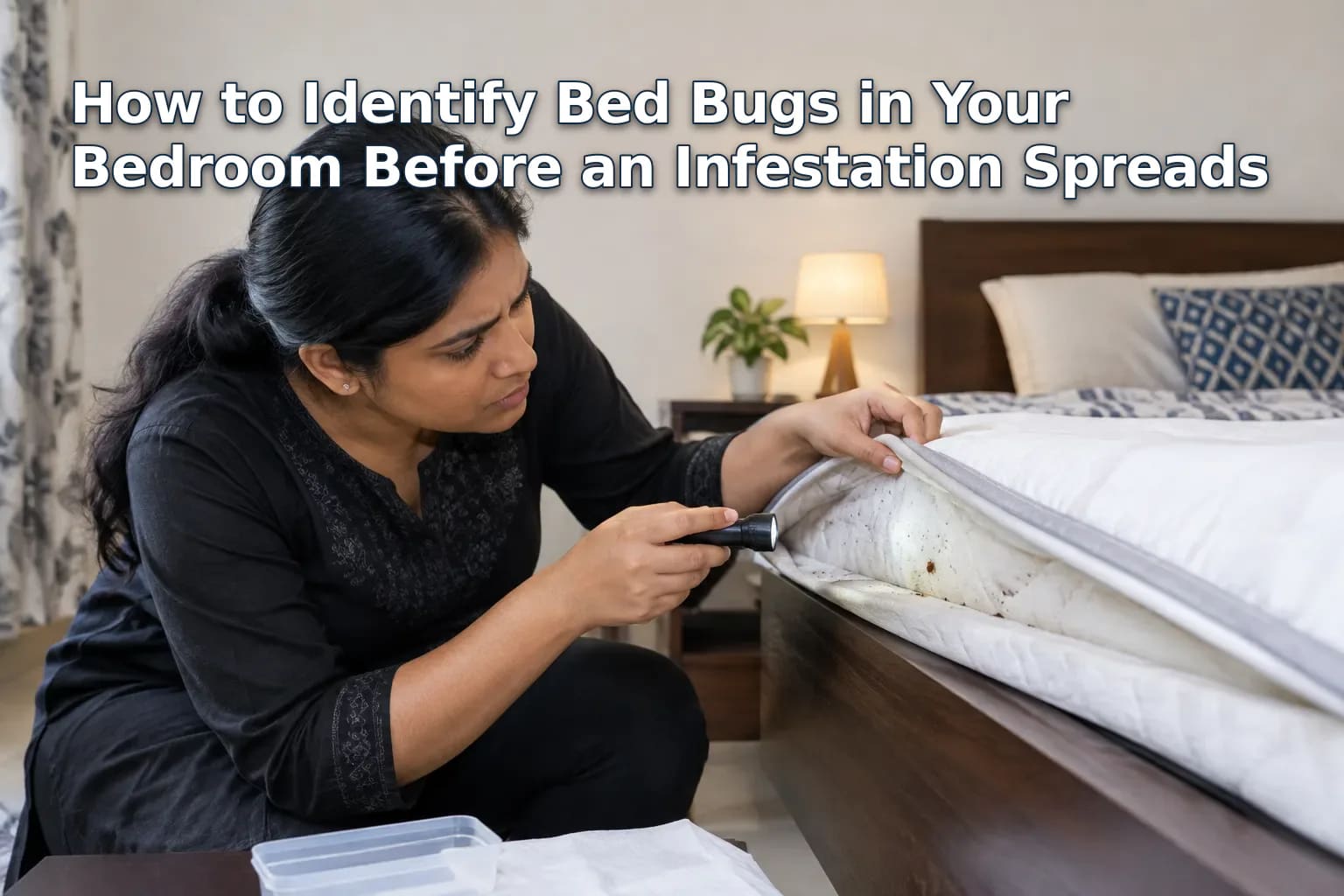
Visual Identification Techniques for Bed Bugs
Detecting bed bugs early is essential to prevent infestation from spreading. Armed with the right knowledge, you can identify these pests with accuracy. Here's how to identify bed bugs in your bedroom effectively before an infestation spirals out of control.
Key Physical Characteristics
- Color & Shape: Look for adult bed bugs that are oval-shaped and reddish-brown. They typically measure about 5 to 7 mm in length.
- Nymphs: Younger bed bugs, or nymphs, are smaller and paler, almost translucent, making them harder to see.
- Eggs: These are tiny, white, and about the size of a pinhead, often adhering to surfaces in clusters.
Inspection Points
- Mattress & Box Springs: Check seams, tufts, and folds, where bed bugs often hide.
- Bed Frame: Wood slats and crevices are common hiding spots. Use a flashlight for thorough inspection.
- Furniture: Inspect couches and chairs, especially creases and under cushions.
- Walls & Baseboards: Examine cracks and crevices, as bed bugs can hide anywhere a credit card could slip through.
Signs of Bed Bug Presence
- Excrement Stains: Look for small, dark reddish-brown stains on sheets or mattresses, which are indicative of feces.
- Shed Skins: As bed bugs mature, they molt, leaving behind exoskeletons.
- Blood Smears: These may appear on bedding from crushed bugs during sleep.
- Odor: A musty, unpleasant odor with a slight sweet tinge can signal an infestation.
Tools for Confirmation
- Zippered Mattress Encasements: Installing these can trap bed bugs inside, aiding in detection.
- Interceptor Traps: Placing these under bed legs can catch bugs as they try to move between the bed and the floor.
- Professional Odorless Treatments: If signs are confirmed, consult specialists utilizing safe, odorless micro-encapsulated treatments to ensure effective resolution without odorless treatment. Learn more about our odorless approach.
By following these guidelines, you can proactively identify bed bugs, safeguarding your living space from a more challenging infestation. Remember, discovering bed bugs is no indication of cleanliness failure; they are adept travelers, hitchhiking into even the most pristine environments.
Understanding Bed Bug Life Cycle and Behavior
Detecting bed bugs early is key to preventing a small hitchhiking issue from evolving into a widespread infestation. Begin by understanding that bed bugs are adept at hiding and can inhabit even the most impeccably clean environments. The following strategies will help you identify their presence before the situation escalates.
-
Visual Inspection:
- Examine seams, creases, and tufts of mattresses and box springs. Look for live bugs, which are oval and reddish-brown, or eggs resembling tiny white specs.
- Inspect headboards, bed frames, and any nearby furniture joints for clusters of bed bugs.
- Check for small dark spots or stains that could be excrement or crushed bugs, particularly on bedding and in the vicinity of sleeping areas.
-
Recognizing Bites and Skin Reactions:
- Bed bug bites often appear as small, itchy welts, frequently in a line or cluster. While these bites aren’t unique to bed bugs, they are a common symptom of their presence.
- Consider consulting a dermatologist for accurate diagnosis if skin reactions persist or are severe.
-
Behavioral Cues:
- Be aware of nocturnal activity; bed bugs typically feed at night, attracted by warmth and carbon dioxide.
- Inspect traps or interceptor devices placed under bed legs to capture traveling bugs.
-
Nymph Monitoring:
- Nymphs, or juvenile bed bugs, are more challenging to spot due to their translucent nature but grow darker and more visible as they molt and develop.
If any signs of bed bugs are confirmed, it’s crucial to act promptly with professional help to employ advanced odorless treatments. This includes using specialized odorless formulations and encasements tailored for safe elimination, ensuring no odor disruption or toxicity concerns in your space. Debugging sustainably enhances peace of mind, supporting safe environments across homes and properties.
Signs of Bed Bug Activity in Bedding and Furniture
Recognizing the early signs of bed bugs is key to controlling an infestation before it spreads. Start by closely examining areas most prone to harboring bed bugs. The bedroom is a primary target, as these nocturnal insects are typically attracted to warmth and carbon dioxide.
Checklist for Identifying Bed Bugs:
- Live Bed Bugs: Bed bugs are small, reddish-brown, and apple seed-sized. Inspect seams, piping, and tags of mattresses and box springs.
- Bed Bug Excrement: Look for small, dark spots resembling ink stains on sheets, mattresses, and walls—these are fecal spots.
- Shed Skins: As bed bugs mature, they shed their exoskeletons. Check for these translucent shells, particularly around mattress edges and furniture joints.
- Eggs and Eggshells: Extremely small and pale yellow, typically found in clusters in hidden areas.
- Blood Stains: Tiny, reddish streaks may appear on bedding from crushed bugs.
- Unexplained Bites: While not definitive, itchy red welts often appear on skin exposed during sleep.
Inspection Tips:
- Use a Flashlight: Bed bugs often hide in dark areas. A flashlight helps illuminate crevices, folds, and hollow spaces.
- Monitor Peak Regions: Focus on bed frames, baseboards, headboards, and adjacent furniture items. Also look inside drawers and any cracks where wooden slats meet.
- Install Interceptor Traps: Placed under legs of beds and chairs, these devices help capture and identify bed bugs early.
Preventive Measures:
- Enclose Mattresses: Use high-quality zippered encasements specifically designed to prevent bed bug infiltration.
- Keep Clutter to a Minimum: Reducing clutter minimizes hiding spots, ensuring quicker detection.
- Regularly Launder Bedding: High-temperature washing and drying can kill bed bugs, but our odorless treatments make this unnecessary for extermination.
By following these steps, you can recognize and address potential infestations with advanced odorless treatments, maintaining a safe and peaceful living environment.
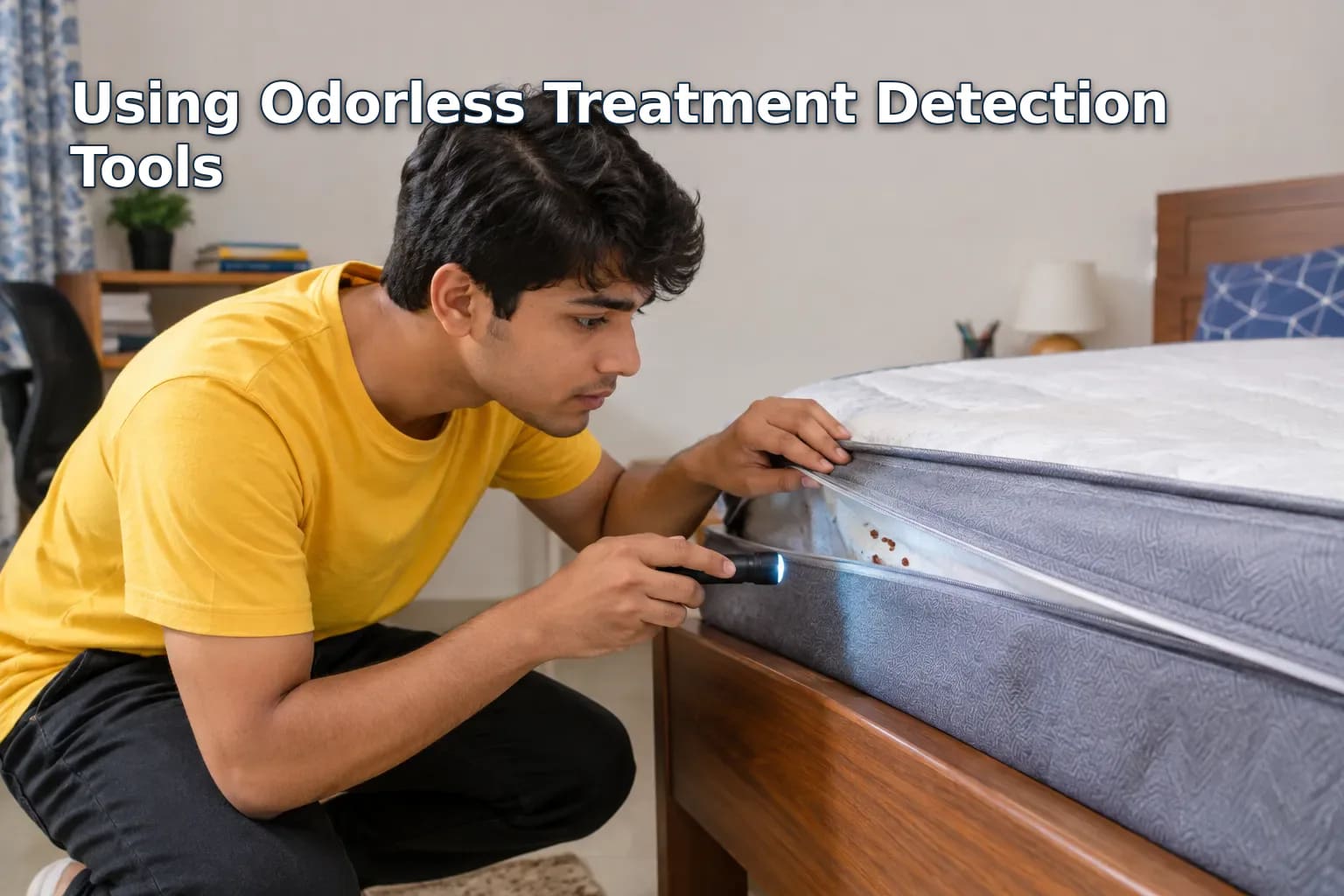
Using Odorless Treatment Detection Tools
Identifying bed bugs in your bedroom early is fundamental to effectively preventing an infestation from spreading. Begin by using targeted, odorless detection methods that are both discreet and highly effective. Here's how to identify these elusive pests before they become a larger problem:
-
Visual Inspection:
- Thoroughly examine mattress seams, box spring seams, and other upholstered furniture crevices for reddish-brown adult bed bugs, translucent nymphs, or tiny, pale eggs.
- Look for commonly left signs such as dark fecal spots and tiny blood smears on bedsheets or pillowcases.
- Use a strong flashlight along with magnifying tools for closer inspection in difficult-to-see areas.
-
Odorless Interceptor Traps:
- Place traps under bed legs to capture bed bugs traveling to and from their hiding places. These traps are critical in early detection and aid in monitoring infestation levels.
- Regularly check and empty traps to prevent accumulation and to gain insights on the current state of infestation.
-
Zippered Mattress Encasements:
- Encase your mattress and box spring with high-quality, zippered encasements, which are both secure and impenetrable to bed bugs. This not only helps in early detection by isolating potential areas of activity but also cuts off harborage spots.
-
Utilize Carbon Dioxide Monitors:
- Since bed bugs are attracted to carbon dioxide, these monitors can help in identifying active infestations by luring and capturing them without alerting the colony, ensuring discrete and non-invasive detection.
By integrating these methods within a comprehensive Integrated Pest Management approach, you can effectively identify bed bugs early without resorting to odorless, pet-safe formulations or intrusive procedures. Remember, infestations are not indicative of poor cleanliness, as bed bugs thrive by hitchhiking into any environment. Stay vigilant, take advantage of these odorless tools, and consult with professionals for tailored assistance.
Steps to Prevent Bed Bug Infestation Spread
Preventing a bed bug infestation from spreading hinges on early identification and immediate action. The key to spotting bed bugs in your bedroom lies in consistent vigilance and careful inspection. Here’s how to identify bed bugs before a full-blown infestation develops:
-
Check Sleeping Areas: Inspect seams, tufts, and edges of your mattress and box spring. Use a flashlight to look for tiny reddish-brown bugs, molted skins, or tiny black spots (fecal matter).
-
Nighttime Vigilance: Since bed bugs are nocturnal, they are most active at night. If you're concerned, using a flashlight, observe your bedding after dark or in the early morning for any signs of movement.
-
Monitor Common Hiding Spots: Pay attention to headboards, bed frames, and nearby furniture. Bed bugs are adept at hiding in cracks and crevices, so check joints, screws, and gaps.
-
Examine Luggage and Clothing: Especially after traveling, inspect your suitcase. Bed bugs are notorious hitchhikers. Treat clothing and travel equipment with extra caution.
-
Utilize Interceptor Traps: Place these under bed legs to catch bed bugs that try to move between the floor and your bed. These traps are a cost-effective early detection tool and part of a broader integrated management strategy.
-
Use Zippered Mattress Encasements: Invest in high-quality, odorless mattress encasements that bed bugs cannot penetrate. These encasements trap bugs inside and prevent new ones from settling in.
-
Odorless Treatment Solutions: If you find any signs, consider professional inspection and follow-up with advanced odorless treatments. These are safe, effective, and avoid the pitfalls of odorless, pet-safe formulations. Professional help ensures that treatments properly target bed bug life stages without spreading them further.
Recognizing these signs and taking preemptive action is crucial. Remember, bed bug infestations are never an indicator of cleanliness but rather a matter of chance and exposure. Acting swiftly with integrated solutions ensures peace of mind and a bed bug-free environment.
Frequently Asked Questions
What are the early signs of bed bugs in the bedroom?
Early signs of bed bugs include small, dark reddish-brown fecal stains on bedding, shed skins, tiny white eggs, and a musty odor. Look closely at mattress seams, furniture creases, and baseboard cracks.
How do I visually identify bed bugs?
Adult bed bugs are oval-shaped, reddish-brown, and about 5 to 7 mm long. Nymphs are smaller, paler, and harder to spot, while their eggs are tiny, white, and often found in clusters on surfaces.
Where should I inspect for bed bugs?
Inspect seams, tufts, and folds of mattresses and box springs, as well as crevices in bed frames, furniture, walls, and baseboards—essentially any crack where a credit card could fit.
What should I do if I find bed bugs?
If you find bed bugs, immediately wash and dry affected fabrics on high heat, vacuum and steam clean areas, and consider using professional pest control treatments to prevent spreading.
Related Guides
Need Immediate Bed Bug Relief in Your Home?
BedBugsTreatment.co.in offers government-approved chemicals, same-day inspection visits, and a 12-month service warranty across India.