Detect Bed Bugs Early in Mattresses & Couches
Identification and Understanding Bed Bug Behavior
Understanding bed bug behavior is crucial for early detection in mattresses and couches. These nocturnal pests are attracted to carbon dioxide and body heat, making evenings their prime feeding time. Identifying early signs of bed bugs can help mitigate infestations before they escalate.
To spot early signs of infestation:
-
Physical Evidence on Bedding:
- Look for small, rust-colored stains on sheets and pillowcases. These occur when bed bugs are crushed.
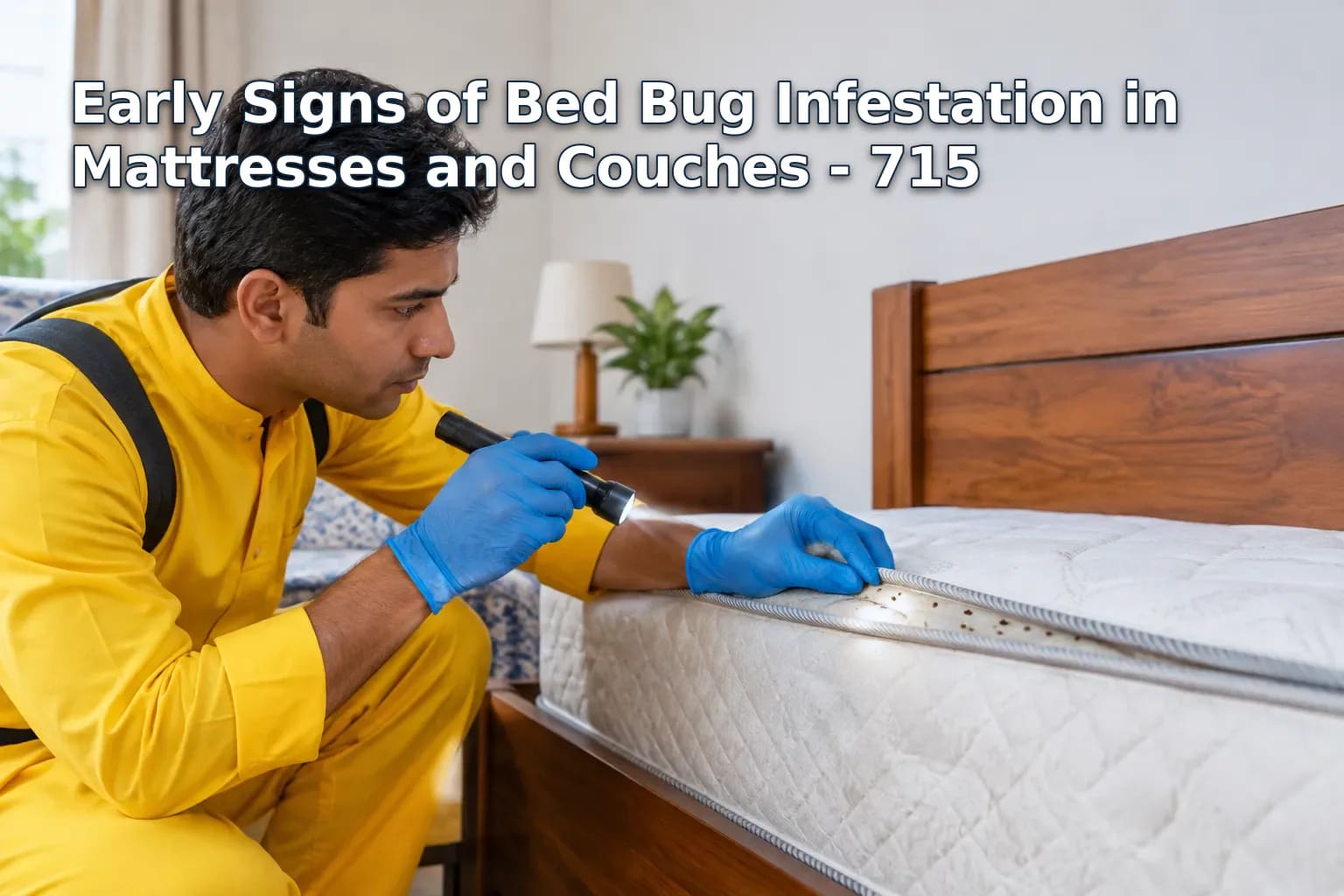
- Notice black spots—excrement or shed skins—on the edges and seams of mattresses.
-
Live Bed Bugs and Nymphs:
- Adult bed bugs (5-7mm) are visible to the naked eye and often hide in cracks during the day.
- Nymphs, while smaller, may still be detected through diligent inspection with a flashlight.
-
Bitten by the Bug:
- Check for clusters of bites on exposed areas like arms, neck, and face. Though reactions vary, bites typically manifest as itchy, red welts in linear patterns.
-
Odorless Intervention Tactics:
- Use interceptor traps under bed and couch legs to capture traveling bed bugs.
- Employ zippered mattress encasements to prevent bed bugs from accessing hiding spots.
-
Inspect Regularly:
- Conduct routine checks every few weeks using a flashlight, focusing on mattress seams and crevices of couches.
- Regular vacuuming, particularly in less accessible areas, can help remove unnoticed larvae.
Remember, infestations are not indicative of poor sanitation as bed bugs thrive even in pristine conditions. Contact professionals for odorless micro-encapsulated treatments and structured perimeter barriers to safely manage and resolve infestations. This ensures a comprehensive, eco-friendly approach, preventing reoccurrences and providing peace of mind in your household or property. For guidance on effective treatment strategies, refer to our detailed resources.

Visual Inspection Checklists for Mattresses and Couches
Detecting bed bugs early in mattresses and couches requires a methodical approach, relying on visual cues that indicate their presence. Here are practical steps for conducting a thorough inspection:
-
Initiate with Visual Inspection: Strip beds of all linens, examining the mattress seams, tags, and piping for small dark stains, which are often excrement or crushed bugs. Couches require similar checks along seams, folds, and underneath cushions.
-
Recognize Activity Signs: Look for live bugs or shed exoskeletons, especially in crevices near the headboard and on couches’ tufted areas. Bed bugs are elusive, hiding during the day, so pay close attention to potential hiding spots.
-
Mind the Nymphs and Eggs: Nymphs are pale and nearly translucent, making them harder to spot. Eggs are minuscule and white, resembling tiny grains of rice. Check closely around the mattress stitching, beneath couch cushions, and within folds.
-
Examine Immediate Vicinity: Bed bugs tend to cluster around the bed or couch’s immediate surroundings. Investigate nearby furniture, baseboards, and floor edges for similar signs.
-
Utilize Interceptor Traps: Place them under bed and couch legs to capture wandering bed bugs, providing evidence of an infestation. These traps refine detection and are effective even without visible bug sightings.
-
Professional Odorless Treatment and Monitoring: Once suspected, it's vital to act swiftly using professional odorless treatments. Our approach integrates specialized micro-encapsulated formulations and targeted contact applications. We ensure complete elimination while safeguarding indoor air quality.
Bed bug introduction is often incidental and unrelated to cleanliness. Therefore, prompt recognition and action ensure effective resolution without judgment or stigma, conserving your peace and property integrity. For ongoing peace of mind, consider mattress encasements and frequent inspections as part of an integrated management strategy. For more details on protection techniques, explore our resources on ODORLESS TREATMENTS.
Odorless Treatment Options Explained
Detecting bed bugs early is paramount, and understanding the early signs of an infestation in mattresses and couches enhances swift action. Look for tiny dark spots on fabrics—these are often bed bug excrement. Additionally, check for shed skins or eggshells in crevices, seams, and the undersides of furniture. These subtle indicators necessitate further investigation.
-
Visual Inspection Tips:
- Use a flashlight and magnifying glass to thoroughly inspect mattress seams, tags, and bed frames.
- Examine couch cushions and seams, especially in folds and hidden areas.
- Be attentive to small, rust-colored stains which may indicate crushed bed bugs.
-
Behavioral Indicators:
- Bed bugs are nocturnal and drawn to carbon dioxide and warmth. If you notice bite marks in a linear pattern on your skin, especially after sleeping, this could signal their presence.
- As they often hide during the day, check cracks and crevices close to beds and couches, extending up to 15 feet from sleeping areas.
For effective eradication, our exclusive odorless treatment employs a combination of targeted strategies. This approach includes using micro-encapsulated odorless formulations which are designed to target all life stages of bed bugs without the overt chemical odors associated with traditional methods.
- Integrated Treatment Strategy:
- Zippered Mattress Encasements: Seal in bed bugs, cutting off their feeding sources and causing eventual starvation.
- Interceptor Traps: Placed under bed and couch legs to trap and monitor activity.
- Thorough Inspection: Regular inspections prevent the spread and pinpoint exact hiding spots.
Engaging professional services ensure safe and effective treatments, aligning with Integrated Pest Management principles. Remember, bed bug infestations do not correlate with cleanliness, as these pests adeptly hitchhike and can thrive in any environment. Each case requires a tailored approach to safeguard your living space odorlessly and effectively.
Preventive Measures for Long-Term Bed Bug Control
Detecting an early bed bug infestation in your mattresses and couches is essential for swift control and prevention of a broader problem. Bed bugs primarily hitchhike into homes, thriving even in the cleanest environments without any correlation to personal hygiene. To maintain vigilance, consider integrating these measures as part of your routine.
-
Visual Inspection Tips:
- Mattresses: Regularly check seams, labels, and tufts for small rust-colored spots or shed skins.
- Couches: Examine crevices, cushions, and joints, as bed bugs often hide in these areas.
- Bed Frames & Baseboards: Pay attention to any cracks or corners; bed bugs are often found near these.
-
Early Warning Indicators:
- Blood Stains: Tiny red or brown spots on your sheets or furniture may indicate nocturnal feeding.
- Bites: Clusters or rows of red, itchy welts on your skin may suggest bed bug activity.
- Exoskeletons: Finding translucent nymph skins as they molt through growth stages signals an active presence.
-
Proactive Barriers:
- Interceptor Traps: Place under bed and furniture legs to monitor and prevent bed bugs from climbing.
- Zippered Mattress Encasements: These can trap existing bugs and prevent new ones from settling.
- Routine Vacuuming: Regularly vacuum to reduce hiding places and intercept stray hitchhikers.
-
Scheduled Professional Inspections:
- Engage professionals for odorless, specialized micro-encapsulated treatments.
- Professional guidance ensures that surveillance and interventions are effectively tailored to your environment.
By implementing these actionable strategies, you can significantly reduce the risk of sustained infestations. Regular inspections and strategic preventive measures can ensure peace of mind while preserving the comfort of your living space. For more on effective bed bug management practices, see our odorless treatment solutions.
Comparing Professional Odorless Treatments
Detecting bed bugs early is fundamental to effective management, especially in high-risk areas like mattresses and couches where these pests thrive. Homeowners and tenants should be vigilant for specific early signs of bed bug infestation:
- Small Rust-Colored Stains: These are often bed bug excrement and look like tiny spots of blood.
- Dark Specks: Bed bug droppings, resembling ground pepper, may accumulate in mattress seams, edges, and corners.
- Pale Yellow Skins: As nymphs molt, they shed their exoskeletons, leaving behind nearly translucent remains.
- Red, Itchy Welts: While similar to other insect bites, bed bug bites typically appear in clusters and can indicate persistent feeding.
- Musty Odor: Though our treatments are odorless, an unexplained musty smell in your bedding may hint at a bed bug presence.
To manage these pests efficiently, our odorless treatments offer several advantages:
- Micro-Encapsulated Solutions: These advanced formulations gradually release active ingredients, ensuring extended protection without the disruptive odor of traditional insecticides.
- Targeted Contact Applications: Precision application minimizes environmental impact, effectively targeting hidden infestations without affecting non-target areas.
- Zippered Mattress Encasements: Acting as a protective barrier, these encasements trap existing bugs and prevent new ones from reaching the mattress surface.
- Interceptor Traps: Placed under furniture legs, these traps are active barriers, catching bed bugs before they can reach sleeping areas.
- Thorough Inspections: Professional inspections by trained technicians can identify infestations that are not immediately visible to the untrained eye.
It's important to remember that bed bugs spread by hitchhiking and are not indicative of poor hygiene. Infestations can occur in even the cleanest homes and public spaces. Early detection coupled with our odorless treatment solutions ensures a proactive and non-invasive approach to maintaining a bed bug-free environment. For assistance, please refer to our services page for guidance on the most effective strategies tailored to your specific needs.
Frequently Asked Questions
What are the early signs of bed bug infestations in mattresses and couches?
Early signs of bed bug infestations include rust-colored stains on bedding, black spots of excrement on mattress seams, visible adult bed bugs or nymphs, and clusters of itchy, red bites on exposed skin.
How can I check for bed bugs in my couch?
To check for bed bugs in your couch, remove cushions and inspect seams and crevices using a flashlight. Look for signs such as live bugs, excrement spots, and shed skins. Regular inspections can help in early detection.
What odorless treatment options are available for bed bug control?
Odorless treatment options include using interceptor traps under furniture legs, applying zippered mattress encasements, and regular vacuuming of potential hiding areas. These methods are effective in reducing and controlling infestations without strong smells.
Can bed bugs hide in mattress seams and couch crevices during the day?
Yes, bed bugs often hide in mattress seams and couch crevices during the day to stay out of sight. They are nocturnal and usually come out at night to feed.
Related Guides
Need Immediate Bed Bug Relief in Your Home?
BedBugsTreatment.co.in offers government-approved chemicals, same-day inspection visits, and a 12-month service warranty across India.