Early Inspection Protocol for Bed Bugs on Mattresses and Couches
Understanding Bed Bug Behavior and Life Cycle
Understanding bed bug behavior is essential for effective residential treatment and creating a reliable inspection checklist. Bed bugs, primarily Cimex lectularius, are expert hitchhikers drawn to carbon dioxide and body heat, making human habitats ideal for them. Their nocturnal feeding cycle begins shortly after humans fall asleep, typically between midnight and 5 a.m.
Biological and Behavioral Insights:
- Feeding Habits: Prefer to feed every 5 to 7 days, leaving small, itchy welts.
- Life Cycle:
- Eggs: Hatched in approximately one to two weeks.
- Nymphs: Pass through five developmental molts before reaching maturity. Nymphs require a blood meal to molt at each stage.
- Adults: Lifespan ranges from 4 to 6 months under favorable conditions, potentially extending up to a year without feeding.
Inspection Checklist for Mattresses and Couches:
-
Initial Examination:
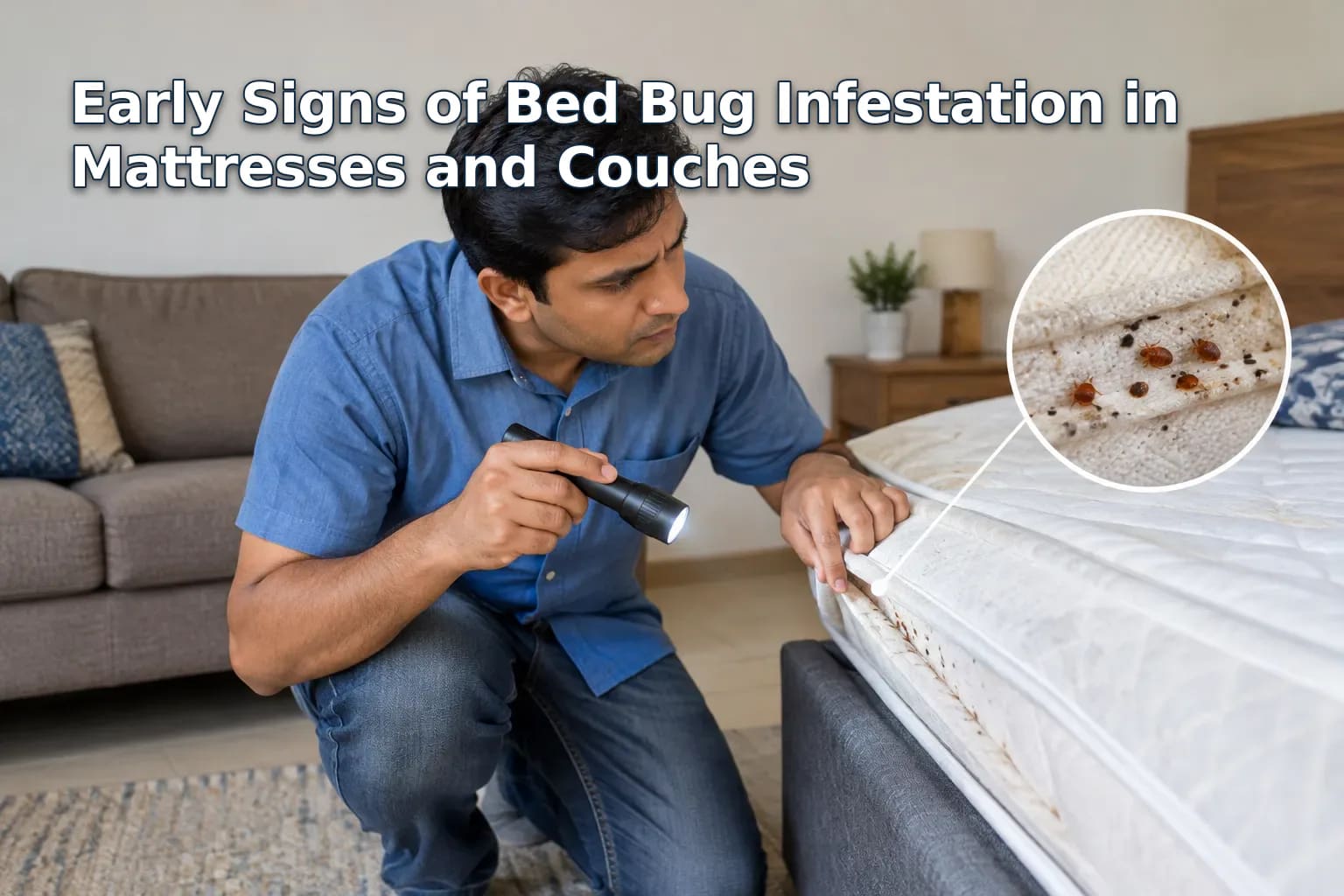
- Check seams, tags, and piping of mattresses for fecal spots or shed skins.
- Lift mattress and box springs; inspect bed frame and headboard.
-
Detailed Inspection:
- Using a flashlight, inspect crevices and hardware joints of couches and upholstered furniture.
- Pay particular attention to the undersides and zippers.
-
Utilize Interceptor Traps:
- Place under bed posts and couch legs to monitor the presence of these hitchhikers.
Pest Control and Residential Treatment Strategies:
- Encasements: Use zippered mattress encasements to entrap and prevent bed bugs from residing within mattresses.
- Micro-Encapsulated Odorless Formulations: Deploy these treatments targeting key infestation sites discreetly and effectively.
- Odorless Gel Baiting: In strategic locations to minimize dispersal.
- Structural Barrier Protection: Enforce strong barriers to prevent recurrence, combined with thorough inspections.
Through early detection and understanding of bed bug biology, proactive pest control and strategic residential treatment become more targeted and effective. While these parasites can be a nuisance, their presence does not imply uncleanliness, and odorless treatments ensure safe, long-term results.
Effective Mattress and Furniture Inspection Techniques
To effectively manage bed bugs in residential settings, conduct thorough inspections guided by an actionable checklist. Early detection is crucial in the pest control process, enabling the initiation of odorless residential treatment without delay.
Inspection Checklist for Mattresses:
- Prepare Tools: Have a flashlight and magnifying glass to aid visibility in dim areas.
- Mattress Edges and Seams: Examine closely, as bed bugs often nest in these folds. Look for live bugs, eggs, or fecal spots.
- Zippered Mattress Encasement: Ensure it is properly sealed, as this acts as a barrier against infestation.
- Mattress Tags and Handles: Check for any signs of bed bugs hiding in these areas.
- Mattress Underneath: Do not neglect turning over the mattress to inspect this often-overlooked area.
Inspection Checklist for Couches:
- Remove Cushions: Inspect the undersides and creases carefully, an ideal hiding spot for bed bugs due to fabric folds.
- Couch Frames and Underlining: Pay close attention to crevices in the frame and areas beneath the couch, including any fabric covers.
- Back and Arms of the Couch: Look for telltale signs such as eggs, molted skins, or spotting.
General Tips:
- Carbon Dioxide Attraction: Keep in mind bed bugs are drawn to this, so pay attention to spots where humans most frequently relax or sleep.
- Interceptor Traps: Install these under furniture legs to help capture any bed bugs moving in or out.
- Professional Inspection: Consider a professional team adept in integrated odorless management for a comprehensive assessment.
This step-by-step approach enhances your pest control efforts, ensuring a meticulous inspection and fostering peace of mind through proactive residential treatment solutions. By utilizing intelligent, odorless strategies, homeowners can efficiently address and manage potential infestations.
Prevention and Environmental Exclusion Techniques
To effectively manage bed bugs and ensure they remain uninvited guests, employ targeted prevention and environmental exclusion techniques anchored in proven principles of pest control. Incorporating an integrated approach not only focuses on eradicating existing infestations but proactively prevents re-infestation. Here's how residents can implement these crucial methods:
Inspection Checklist for Bedbug Prevention:
-
Regular Inspections: Schedule consistent checks of mattresses, bed frames, and couches. Look for signs such as tiny blood spots, exoskeletons, or live bugs, especially in seams and crevices.
-
Encasements and Barriers: Use specialized zippered mattress encasements and sofa covers. These act as physical barriers, preventing bed bugs from accessing hiding spots.
-
Clutter Management: Reduce clutter around sleeping areas. This diminishes hiding opportunities for bed bugs and facilitates more thorough inspections and treatments.
-
Clothing and Linens: Wash bedding and clothes in hot water regularly. Afterward, dry on high heat to eliminate potential hitchhikers and their eggs.
-
Travel Precautions: Upon returning from trips, keep luggage in a garage or over a hard surface to conduct a preliminary examination. Ensure suitcases are checked and cleaned before re-entry into living spaces.
-
Interceptor Traps: Position these under bed and furniture legs. They impair bed bugs' ability to reach resting surfaces, providing both a monitoring and prevention benefit.
-
Gap Sealing: Examine and seal all potential entry points like baseboards, electrical outlets, and wall cracks. This hampers their ability to move and spread.
These prevention and exclusion techniques, combined with professional support and odorless treatment solutions, form the backbone of a successful bed bug management strategy. By adhering to this guide, homeowners and tenants can effectively safeguard their living spaces against the unwanted presence of bed bugs, creating a more secure and peaceful environment. For those seeking targeted residential treatment, integrating these practices is indispensable.

Odorless Treatment Options for Bed Bugs
A comprehensive inspection and treatment plan using advanced odorless methodologies effectively targets bed bug infestations without the inconvenience of strong chemical odors. Our pest control strategy is integral to residential treatment, emphasizing thorough inspections and the use of innovative odorless treatments. Start with an inspection checklist that allows precise identification of bed bug activity:
- Visual Examination: Use a flashlight and magnifying glass to inspect seams, tufts, and folds of mattresses and couches.
- Identify Evidence: Look for small rust-colored spots, which are bed bug excrement, and shed skins or live bugs.
- Bed Frame and Furniture: Carefully check joints, zippers, and any crevices where bed bugs might hide.
- Adjacent Areas: Extend inspections to baseboards, picture frames, and outlets surrounding the infested area to track potential spread.
Upon confirmation of an infestation, employ our specialized odorless treatments:
- Micro-Encapsulated Formulations: These odorless solutions allow for targeted application, effectively eliminating bed bugs at various life stages without disrupting household comfort.
- Zippered Mattress Encasements: Use these to trap and prevent further movement, reducing bed bug hiding spots and easing future inspections.
- Interceptor Traps: These are strategically placed under furniture legs to monitor persistent activity and prevent bed bugs from reaching sleeping areas.
Pathogs like bed bugs, which are attracted to carbon dioxide and body heat, can appear anywhere. Therefore, employing safe physical exclusion techniques alongside innovative odorless treatments offers a dual approach for managing infestations while maintaining a healthy living environment. Trust in professional handling ensures all bed bug stages—from eggs to nymphs and adults—are addressed, providing peace of mind and a bed bug-free home.
Remember, while bed bugs can cause distress, infestations are never an indication of poor hygiene. Implementing a structured and professional approach, utilizing odorless and non-invasive treatments, is key to effective control and eradication.
Maintenance and Monitoring for Long-Term Control
Ensuring long-term control of bed bugs in your residence requires diligent maintenance and a strategic inspection routine. Begin by regularly assessing the effectiveness of the odorless treatments we've implemented, using an inspection checklist that prioritizes both the protection and peace of mind integral to comfortable living. Bed bugs aren’t a reflection of cleanliness; they are adept hitchhikers thriving in countless environments.
Inspection Checklist for Long-Term Control:
-
Routine Monitoring:
- Utilize interceptor traps beneath bed legs and couch feet to detect early reintroduction.
- Check zippered mattress encasements for signs of damage or openings where bed bugs could enter.
-
Targeted Inspections:
- Regularly examine crevices in furniture and bedding seams where nymphs may molt.
- Physically inspect couches and bed frames for any renewed signs of activity, such as fecal spots or molted skins.
-
Adaptive Strategies:
- Incorporate odorless micro-encapsulated formulations for continued barrier protection.
- Maintain a record of inspections and treatments to adapt methods based on observed patterns.
Pest Control and Residential Treatment Steps:
-
Preventive Measures: Establish barriers using safe, micro-encapsulated treatments to prevent bed bug entry.
-
Reassurance and Education: Recognize that bed bugs are omnipresent and can affect any property—knowing this demystifies their presence.
-
Professional Updates:
- Schedule periodic evaluations with pest control professionals to ensure odorless treatment effectiveness.
- Consult pest management experts for any signs of persistent or reappearing infestations without delay.
Your commitment to consistent inspections and sound residential treatment plans is essential for winning the battle against bed bugs. Remember that while these insects are tenacious, thorough odorless treatments and ongoing vigilance form an unyielding defense. Maintain this proactive approach, leveraging professional guidance when needed, to ensure your living spaces remain unfettered by pests.
Frequently Asked Questions
What are the early signs of bed bugs in mattresses?
Early signs of bed bugs in mattresses include small bloodstains, rust-colored spots from fecal matter, bed bug skins, eggshells, or live bugs, and a musty odor.
How can I inspect my couch for bed bugs effectively?
To inspect your couch for bed bugs, use a flashlight to examine cracks, crevices, zippers, and seams. Check underneath cushions and along the edges where fabric meets the frame.
Are there odorless treatments available for bed bugs?
Yes, there are odorless treatment options for bed bugs, including certain heat treatments and non-toxic chemical solutions that do not leave a lingering smell.
How can I prevent bed bug infestations?
Prevent bed bug infestations by regularly inspecting furniture, using protective covers on mattresses, reducing clutter, and vacuuming regularly. Consider using interceptor traps under furniture.
Related Guides
Need Immediate Bed Bug Relief in Your Home?
BedBugsTreatment.co.in offers government-approved chemicals, same-day inspection visits, and a 12-month service warranty across India.