Complete Bed Bug Preparation & Aftercare Checklist for Families
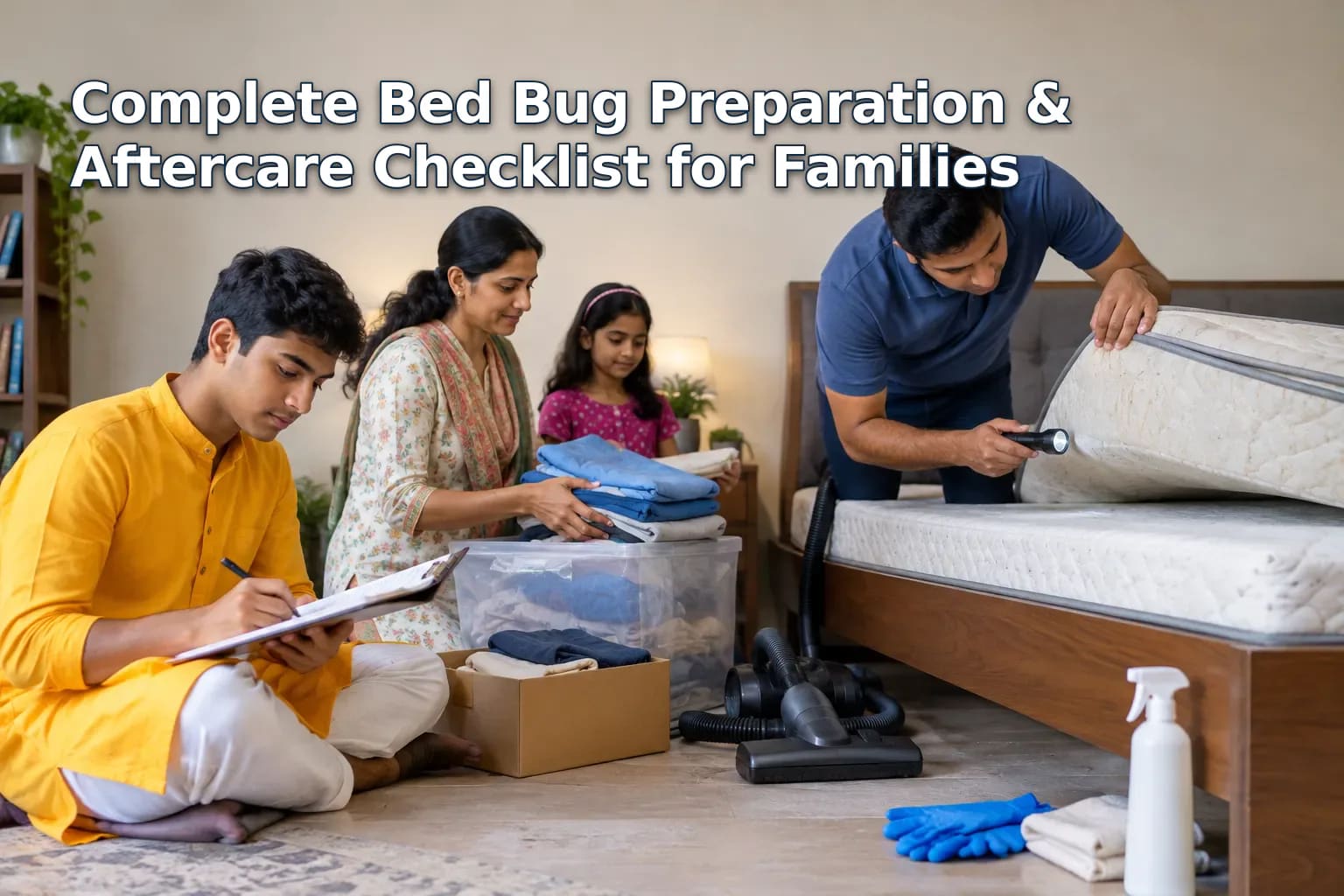
Identification & Understanding Bed Bug Behavior
Identifying bed bugs early and understanding their behavior are crucial first steps in pest control. Bed bugs are master hitchhikers and can infest any clean home, so having a comprehensive inspection checklist is essential for effective residential treatment. These tiny pests are attracted to carbon dioxide and body heat, making human dwellings their preferred hideouts.
Key Identification Pointers:
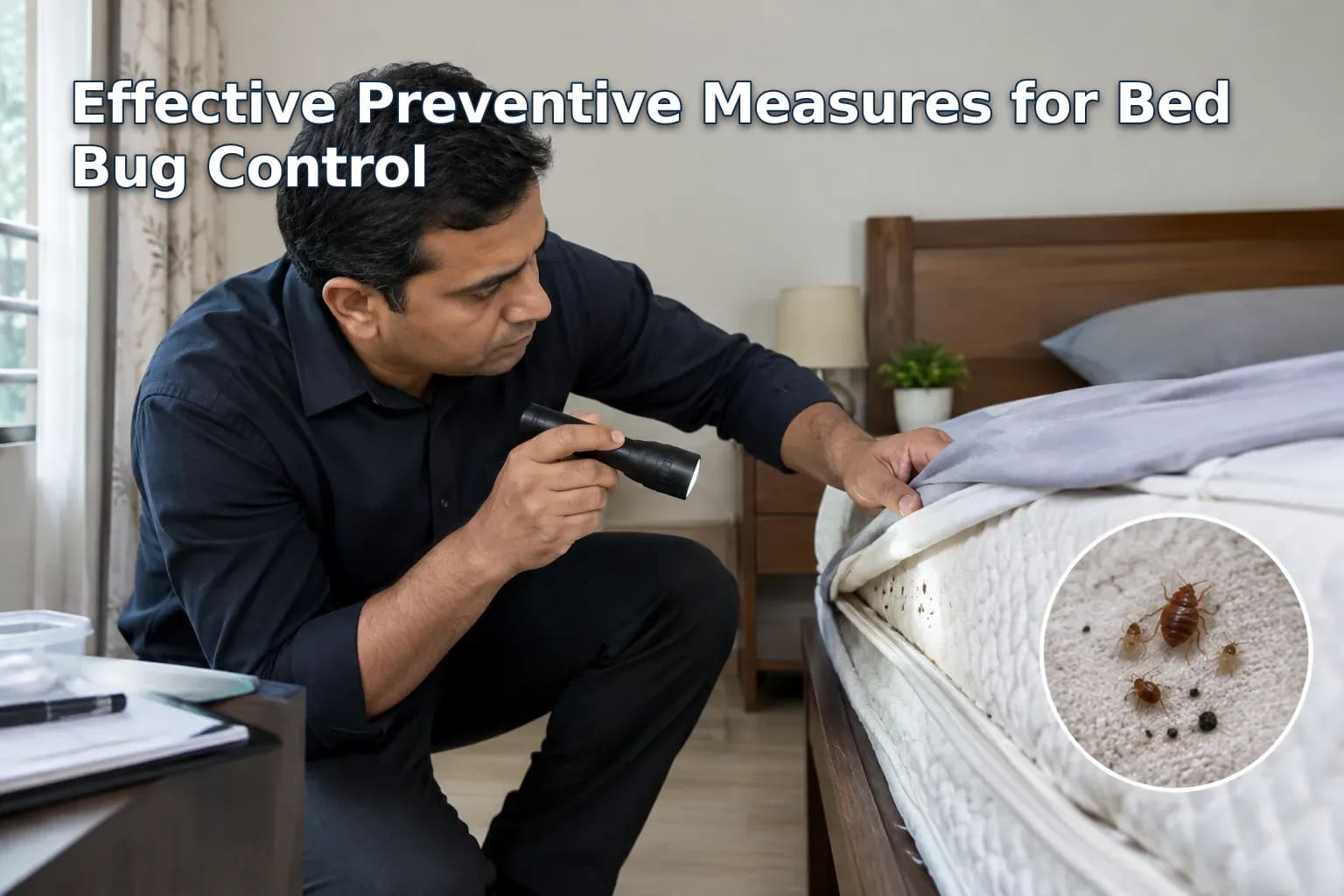
- Physical Appearance: Adult bed bugs are reddish-brown, flat, and oval-shaped, about the size of an apple seed. Nymphs are smaller, translucent, and harder to see.
- Feeding Signs: Look for small red welts or linear bite marks on the skin, often grouped on exposed areas.
- Location Clues: Check around mattress seams, bed frames, and headboards. They often hide in crevices and can spread to nearby furniture.
Behavioral Insights:
- Nocturnal Activity: Bed bugs feed at night when the host is typically asleep, but they can adapt to feed during daytime if necessary.
- Hitchhiking Habits: They travel via luggage, clothing, and second-hand furniture. Thorough inspections after travel or purchasing used items can help prevent an infestation.
Inspection Checklist:
- Use a flashlight to check cracks and seams in bedding, furniture, and baseboards.
- Install zippered mattress encasements to trap existing bugs and prevent new ones from finding a home.
- Set interceptor traps beneath bed and furniture legs to monitor and trap emerging bugs.
- Regularly inspect luggage and wash clothes on returning from trips.
Understanding these indicators and behavior patterns ensures timely and effective residential treatment. Remember, a proactive approach with advanced odorless treatments, including micro-encapsulated formulations, can combat infestations without compromising your living environment's safety. For peace of mind and professional handling, we recommend integrated pest management strategies tailored to your specific needs.
Odorless Treatment Preparation Checklist
Effectively preparing for an odorless treatment is crucial to ensure a successful pest control process. Start by removing any unnecessary clutter from the treatment area. This facilitates thorough access to bed bug hiding spots and prevents re-infestation. Remember, these persistent pests can infiltrate any home or hotel, regardless of cleanliness. Here's a comprehensive checklist to follow:
-
Inspect and Protect Belongings:
- Clear personal belongings from floors and under furniture. Focus on lightening the load in closets and around bed frames.
- Store items in zippered, impermeable bins where possible. Avoid cardboard boxes that bed bugs can infiltrate.
-
Prepare Your Bedding:
- Strip all bed linens, pillowcases, and covers. Launder them on high heat to eradicate any hiding pests.
- Encase mattresses and box springs in specialized bed bug-proof encasements to trap and eliminate remaining insects.
-
Use Interceptor Traps:
- Install interceptor traps beneath each bed or furniture leg. These traps are essential in monitoring and reducing bed bug activity.
-
Organize Clothing and Soft Goods:
- Launder and heat-dry all clothing, especially those stored in infested areas.
- Seal clean items in airtight bags to prevent re-infestation prior to treatment.
-
Furniture and Fixture Inspection:
- Disassemble bed frames if possible to expose seams and crevices, using a vacuum to remove visible bugs and eggs.
- Check upholstered furniture and curtains for hidden pests. Vacuum these meticulously.
-
Structural Barriers:
- Ensure seamless transitions by applying professional barriers. These prevent bugs from relocating during the treatment.
Your efforts in preparation substantially aid the pest control specialists’ ability to administer safe, residential treatment using odorless methods. Due diligence in maintaining and monitoring these steps can promote a healthier, pest-free environment without the stress of odors or harmful chemicals. Always opt for integrated professional odorless management for peace of mind and effective results.
Post-Treatment Aftercare for Families
The effectiveness of your residential treatment doesn’t stop with pest control; diligent post-treatment aftercare is crucial. Embrace these steps to ensure safe, long-term eradication and peace of mind. Remember, infestations are often a result of bed bugs hitchhiking innocuously into clean environments.
Inspect and Monitor:
- Regularly verify sealed crevices and gaps around baseboards and electrical outlets, ensuring no new entry points for bed bugs.
- Use interceptor traps under bed legs and furniture to monitor for remaining activity. These monitor devices are passive yet vital in breaking the bed bug's nocturnal cycle, effectively appealing to their instincts to traverse to get to food sources.
Zippered Mattress Encasements:
- Secure your mattresses and box springs in durable, high-quality zippered encasements. This physically excludes bed bugs from viable harborage sites or necessary feeding access, stunting any leftover bug lifecycles.
- Periodically inspect encasements for tears or weaknesses that could compromise their effectiveness.
Household Checks:
- Adhere to a weekly inspection checklist. Look for telltale signs such as live bugs, exoskeletons, or small brown stains in sleeping areas and furniture joints.
- As bed bugs primarily feed on human hosts attracted to carbon dioxide and heat signatures, keep an eye on any personal clothing storage areas and launders; occasional laundering at appropriate temperatures will further safeguard your home.
Living Area Maintenance:
- Open or move clutter to reduce potential refuge spaces within the home. A decluttered space minimizes bed bugs' hiding spots and aids professional inspections.
- Maintain consistent cleaning practices, focusing on vacuuming floors, carpets, and upholstery with a high-efficiency filter vacuum.
Lastly, follow up with your pest control professional to review treatment outcomes, refine strategies, and schedule subsequent inspections. Integrated pest management is dynamic; these proactive measures will reaffirm that successful odorless treatment not only eliminates active infestations but also fortifies your home against future invasions.
Effective Preventive Measures for Bed Bug Control
Preventing bed bugs begins with attentive pest control and diligent residential treatment practices. Engage these strategies proactively to intercept bed bug infestations before they cause anxiety and disruption:
-
Routine Inspection: Conduct frequent visual inspections of beds and high-risk areas using a flashlight. Look for tiny rust-colored stains, live insects, shed skins, or eggs. An inspection checklist might include:
- Bed frames and headboards
- Mattress seams and zippers
- Cracks and crevices in the walls and furniture
- Behind picture frames
- Baseboards and carpet edges
-
Physical Barriers: Utilize zippered mattress encasements to encase mattresses and box springs, which can prevent bed bugs from harboring in these frequently occupied areas.
-
Interceptor Traps: Position these devices under the legs of beds and furniture to trap and monitor bed bug activity. This serves as both a detection tool and a control measure, as it prevents bugs from climbing onto resting areas.
-
Declutter Regularly: Minimize clutter around sleeping areas to reduce hiding spots. Items should be stored in sealed plastic containers when not in use, especially under beds and inside closets.
-
Travel Vigilance: Given their hitchhiking nature, always inspect luggage and clothing upon returning from trips. Use a luggage rack instead of placing bags on the bed or floor.
Integrate these effective measures as part of a comprehensive Integrated Pest Management (IPM) strategy. Remember that an environment harboring bed bugs is not indicative of uncleanliness; indeed, infestations occur regardless of cleanliness standards. By embedding these measures into regular maintenance routines, you can maintain an unwelcoming setting for these tenacious pests without resorting to invasive methods. For persistent or detected infestations, enlist the expertise of professionals using odorless treatment solutions for thorough and safe bed bug eradication.
Long-term Bed Bug Monitoring & Maintenance Strategies
To maintain a bed bug-free home, ongoing vigilance and a structured maintenance approach are essential even after a residential treatment. Bed bugs are adept travelers and hitchhikers, making continuous inspection and prevention key to long-term control. Here's how you can consistently protect your space:
-
Implement Regular Inspections: Integrate a monthly inspection checklist focusing on common hiding spots like mattress seams, box springs, bed frames, and nearby furniture. Keep an eye out for signs such as shed skins, fecal spots, or live bugs.
-
Utilize Interceptor Traps: Place these at the foot of beds and furniture to catch wandering bed bugs before they reach you. These traps serve as both a monitoring tool and a preliminary alert system for any reappearance.
-
Maintain Mattress Encasements: Leave zippered mattress and box spring encasements intact. These barriers prevent any lingering or newly introduced bed bugs from hiding in these areas, disrupting their reproductive cycle.
-
Consistent Household Practices:
- Vacuum Thoroughly: Regularly vacuum floors, upholstery, and corners where bed bugs might linger. Dispose of the vacuum bag immediately outside to prevent re-infestation.
- Wash Bedding Regularly: Launder sheets, pillowcases, and blankets in hot water and high heat dryer settings to ensure any stray bugs or eggs are killed.
- Check Second-Hand Items: Carefully inspect any furniture, clothing, or luggage acquired second-hand before bringing them inside. This preemptive step helps keep new infestations at bay.
-
Odorless Treatment Applications: Schedule routine professional follow-ups using advanced odorless treatments to reinforce the structural barriers and catch any missed pests.
-
Travel and New Acquisitions: Upon returning home, inspect and, if possible, treat luggage and any souvenirs to avoid inadvertently bringing bed bugs back from travels.
By following these strategies, you ensure that your home remains a fortress against bed bugs. Consistency in monitoring and maintenance not only eradicates existing threats but also prevents new ones from becoming full-blown infestations. Remember, a clean home does not exempt you from potential invasions; vigilance is your greatest asset in safeguarding your space from these unwelcome intruders.
Frequently Asked Questions
What are the key steps in preparing for bed bug treatment?
Before treatment, declutter the affected area, wash and dry bedding on high heat, vacuum thoroughly, and seal any cracks and crevices. Remove any interferences that could hinder the treatment process like rugs or upholstered items.
How can I identify bed bugs in my home?
Bed bugs can be identified by their reddish-brown color, oval shape, and small size—similar to an apple seed. Look for small bite marks or red welts on skin, and inspect mattress seams, bed frames, and furniture crevices for signs of their presence.
What post-treatment care is recommended for families?
After treatment, vacuum daily, reduce clutter, monitor the area for signs of bed bugs, and wash bedding weekly on a high heat setting. Consider using protective mattress encasements to prevent re-infestation.
Which preventive measures can keep bed bugs from returning?
To prevent future infestations, avoid bringing in second-hand furniture without inspection, use protective encasements on mattresses, and be cautious with luggage and clothing during travel. Regular inspections and maintaining a clean environment also help.
Related Guides
Need Immediate Bed Bug Relief in Your Home?
BedBugsTreatment.co.in offers government-approved chemicals, same-day inspection visits, and a 12-month service warranty across India.