Why Do Bed Bugs Keep Coming Back After Treatment? Find Out the Causes
Identification & Life Cycle of Bed Bugs
Bed bugs often recur after treatment due to overlooked life cycle stages and untreated infestation sources. Successfully eliminating them requires understanding their nocturnal lifestyle, feeding habits, and development process. Knowing why bed bugs keep coming back after treatment empowers you to adopt effective, lasting solutions.
Understanding Bed Bugs' Resilient Nature:
- Hitchhiking Habits: Bed bugs travel effortlessly by latching onto clothing, luggage, or furniture. Infestations can occur in the cleanest environments, having no relation to hygiene.
- Nocturnal Activity: These pests are adept at hiding during the day and feed on human hosts at night, mainly attracted by body heat and CO2.
- Development Stages: The life cycle consists of egg, nymph, and adult stages. Each nymph stage, or instar, requires a blood meal to molt and advance to the next stage.
- Resilient Eggs: Eggs are tiny, often in cracks or crevices, and highly resistant to many treatments, necessitating repeat interventions.
Causes for Recurrence and Solutions:
-
Improper Inspection:
- Failing to identify all infestation sites leads to incomplete treatment.
- Solution: Conduct comprehensive inspections, seeking out hidden spots like bed frames, electrical outlets, and baseboards.
-
Missed Eggs or Nymphs:
- Ineffective single treatments often miss early-stage bed bugs.
- Solution: Use micro-encapsulated odorless formulations designed to target all stages through repeated applications.
-
Re-introduction From External Sources:
- Travel or acquiring second-hand items can introduce new infestations.
- Solution: Employ proactive measures such as luggage encasements and furniture inspections before purchase.
-
Lack of Physical Barriers:
- Bed bugs rebound if effective barriers aren't implemented.
- Solution: Install zippered mattress encasements and interposing interceptor traps to catch wandering bugs before they proliferate.
Harnessing these insights and aligning with Integrated Pest Management principles ensures a focused and enduring bed bug management strategy, ideally through professional, odorless treatments.
Comprehensive Inspection Checklist for Detection
An effective inspection is the cornerstone of preventing bed bugs from returning after treatment. Here’s a comprehensive checklist to ensure thorough detection and intervention:
-
Visual Inspection:
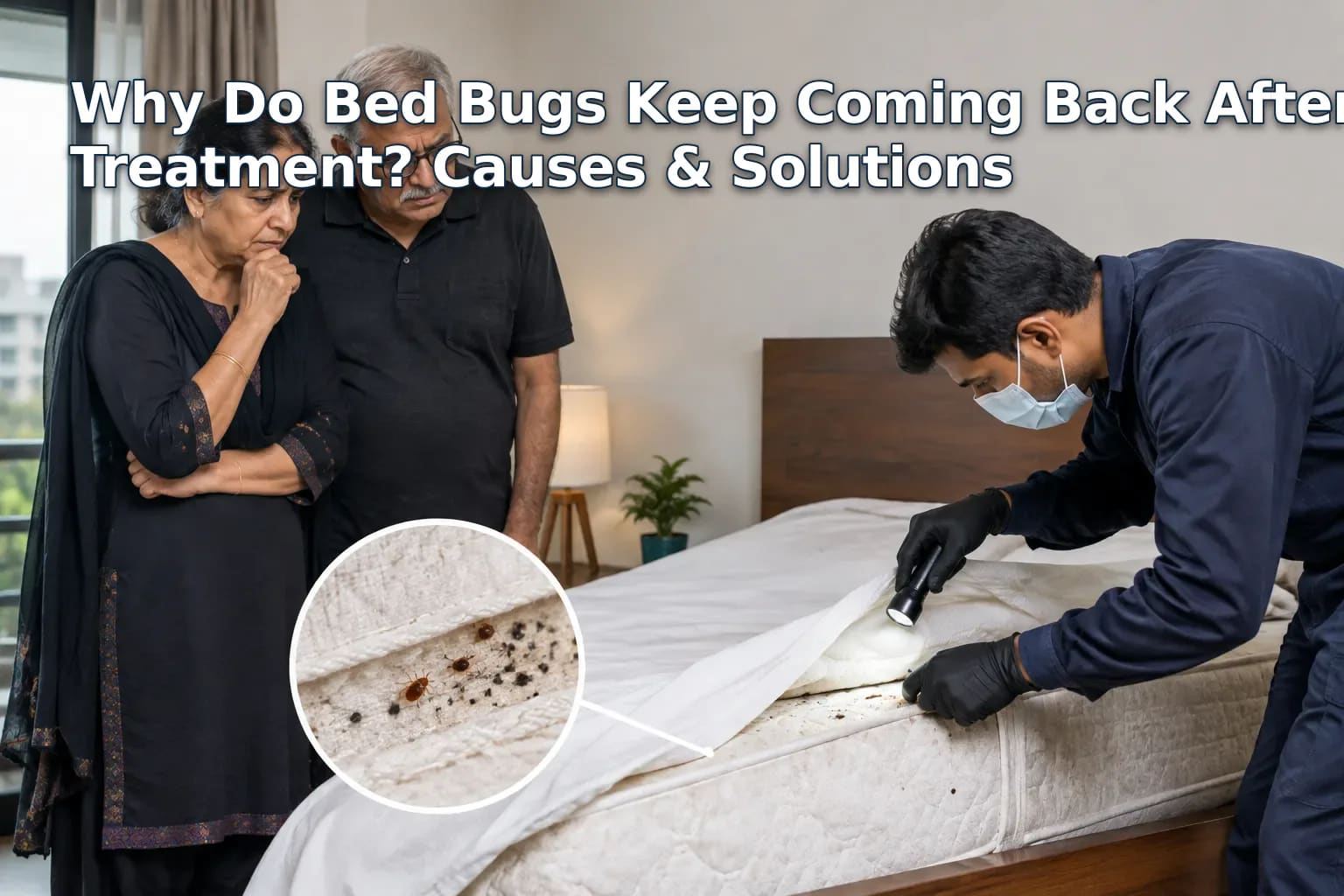
- Bed Frame & Mattress: Examine seams, tufts, and folds of mattresses. Look into crevices of bed frames using a flashlight to spot adults, nymphs, and eggs.
- Furniture: Check upholstery, under cushions, and seams. Pay special attention to sofas and recliners where bugs may harbor.
- Baseboards & Carpets: Inspect between baseboards and edges of carpeting. Bed bugs can hide in cracks and under edges.
- Wall Hangings & Décor: Remove and examine behind picture frames, clocks, and any room décor for bug residue.
-
Physical Indicators:
- Fecal Spots & Shed Skins: Look for rusty or dark spots, egg shells, and exoskeletons indicating bed bug presence.
- Musty Odor: Rarely, a distinctive musty odor can signal larger infestations even if treatments are odorless themselves.
-
Advanced Tools:
- Interceptor Traps: Place under bed legs to capture migrating bed bugs and monitor activity over time.
- Zippered Mattress Encasements: Use on mattresses and box springs to prevent bed bugs from entering and escaping, contributing to long-term management.
-
Lifestyle & Maintenance:
- Declutter: Reduce clutter in rooms to limit bed bug hiding spots.
- Regular Laundering: Wash and heat-dry bed linens, curtains, and garments on the hottest permissible settings.
If bed bugs persist, the primary reasons are often overlooked harborage sites or incomplete treatments. Address these through additional inspections and engage professionals who employ odorless solutions to fully manage and eradicate the problem. Bed bugs often harbor in highly inaccessible places, so maintaining vigilance with these steps can effectively prevent re-infestation.
Causes of Recurring Infestations
Recurrent bed bug infestations often result from insufficient initial treatment coverage and improper follow-up measures. It’s important to ensure that each phase of bed bug management is strategically addressed using comprehensive, odorless treatment methods. Below are insightful causes and reliable solutions for effectively halting the re-emergence of these resilient pests.
Why Do Bed Bugs Keep Coming Back After Treatment?
-
Incomplete Treatment Cycles: Bed bugs are adept at hiding in crevices and clutter. Without thorough treatments covering all potential harborages, some may survive to repopulate.
-
Reintroduction via Hitchhiking: Bed bugs easily hitch rides on luggage, clothing, and furniture. Any interaction with infested items can reintroduce them.
-
Egg Resilience: Bed bug eggs are notoriously difficult to detect and can withstand initial treatments, leading to renewed infestations once they hatch.
-
Lack of Regular Inspections: Without ongoing inspections and monitoring, new infestations may go unnoticed until they are fully established again.
Essential Solutions for Lasting Control:
-
Thorough, Odorless Treatments:
- Employ odorless micro-encapsulated formulations that reach deep into hiding spots.
- Use targeted odorless contact applications to eliminate adult bed bugs and nymphs effectively.
-
Strategic Prevention:
- Implement zippered mattress encasements to trap existing bugs and prevent new entry.
- Place interceptor traps under bed legs to catch hitchhiking bed bugs.
-
Comprehensive Inspection:
- Schedule regular, detailed inspections by professionals to catch any resurgence early.
- Educate residents to monitor for tell-tale signs of activity like exoskeletons and blood spots.
-
Consistent Follow-Up Measures:
- Implement a planned follow-up schedule, ensuring that treatments address any missed eggs or newly introduced bugs.
By understanding the persistent nature of bed bugs and specifically leveraging our advanced odorless treatments, you provide a robust shield against their return—a pivotal step in achieving a completely bed-bug-free environment.

Safe Odorless Treatment Solutions
Understanding why bed bugs persist after treatment requires insight into their resilience and the importance of strategic response. Bed bugs can reappear due to incomplete elimination, hidden harborages, and subsequent introductions. Here are essential causes and targeted solutions:
-
Cause: Hidden Infestation Sources
- Bed bugs often hide in mattress seams, carpets, baseboards, and electrical outlets.
- Solution: Implement thorough inspection protocols. Utilize integrated visual inspections and odorless interceptor traps. Always address all potential hiding spots during each treatment cycle.
-
Cause: Reintroduction via Hitchhiking
- Bed bugs travel easily on luggage, clothes, and furniture. New introductions can occur following visits to infested environments or even from shared multi-unit dwellings.
- Solution: Regularly inspect and vacuum luggage, bags, and surfaces. Educate household members on prevention strategies and use odorless barriers in high-transfer areas like doors and shared walls.
-
Cause: Survival Through Ineffective Treatment
- Certain interventions may not reach all life stages, like nymph eggs, allowing cycles to persist.
- Solution: Emphasize professional odorless treatments, utilizing micro-encapsulated formulations that specifically target all life stages, including eggs. Schedule follow-ups to ensure complete disruption of feeding cycles.
-
Cause: Inadequate Follow-up and Maintenance
- Once control is achieved, ongoing vigilance is crucial to prevent re-infestation.
- Solution: Establish a routine monitoring program. Use regular inspections with encasements and interceptor traps as standard practice. Encourage a partnership with a certified pest management professional focusing on integrated, odorless strategies.
By meticulously following these guidelines, addressing potential sources of reintroduction, and utilizing sophisticated treatments, the likelihood of recurring infestations significantly reduces. These methods not only assure total elimination but also provide continuous protection from future intrusions. Remember, persistent bed bug problems are not a reflection of cleanliness; they require methodical and targeted approaches to manage effectively.
Preventive Measures and Ongoing Maintenance
To effectively prevent bed bugs from returning after treatment, prioritize comprehensive and ongoing tactics rooted in Integrated Pest Management. Begin by recognizing that bed bugs can keep coming back due to untreated infestation sources, re-infestation from external environments, or ineffective application of treatments. Our exclusive use of odorless treatments ensures safety and efficacy without disrupting your living environment.
Implement these preventive measures and maintenance strategies to protect your space:
-
Regular Inspections: Conduct frequent inspections of your home, especially focusing on common harborages like bed frames, mattress seams, and furniture crevices. Look for signs of activity, such as shed skins or small dark spots.
-
Zippered Mattress Encasements: Utilize high-quality, bed bug-proof encasements for mattresses and box springs. This not only traps existing bugs but also prevents new ones from accessing these vital harborage sites.
-
Interceptor Traps: Place these under the legs of beds and furniture to physically capture and monitor any bed bugs trying to crawl to feeding sources. This serves as both a preventive tool and an early detection system.
-
Reduce Clutter: As bed bugs hide in clutter, minimizing unnecessary items in and around sleeping areas can reduce potential hiding spots.
-
Thorough Cleaning: Regularly vacuum carpets, mattresses, and upholstery. Dispose of vacuum bag contents immediately in a sealed plastic bag outside your home to prevent escape.
-
Sealing Entry Points: Close off cracks and crevices in walls and around baseboards. These serve as potential entry or escape routes for bed bugs.
-
Awareness and Education: Educate household members about bed bug behavior and signs of infestation to foster vigilance and early reporting.
Engage with professional pest control services to apply odorless micro-encapsulated treatments and ensure any residual infestations are addressed periodically, creating a robust, ongoing defense against re-infestation. With dedication to these practices, you can maintain a bed bug-free environment.
Frequently Asked Questions
What causes bed bugs to return after treatment?
Bed bugs may return after treatment due to improper inspection, missed eggs or nymphs, and untreated sources of infestation. Repeat treatments and thorough inspections help ensure complete eradication.
How can I prevent bed bugs from coming back?
To prevent recurrence of bed bugs, perform regular inspections, seal cracks and crevices, encase mattresses, and reduce clutter. Use protective covers and be cautious when returning from travel.
Are there odorless treatment options for bed bugs?
Yes, there are odorless treatment options such as heat treatments, cryonite (freezing), and certain professional pesticide applications that safely eliminate bed bugs without strong odors.
How often should I check for bed bugs after treatment?
After treatment, regularly check for bed bugs weekly for the first few months. Monitor for signs such as shed skins, fecal spots, and bites to ensure they do not return.
Related Guides
Need Immediate Bed Bug Relief in Your Home?
BedBugsTreatment.co.in offers government-approved chemicals, same-day inspection visits, and a 12-month service warranty across India.