Guide to Inspecting Secondhand Furniture for Bed Bugs
Understanding Bed Bug Behavior and Infestation Risks
Bed bugs are highly adept at hitchhiking and can easily invade any clean environment by hiding in secondhand furniture. To minimize the risk of infestation, conduct thorough and strategic inspections before welcoming secondhand pieces into your home. This process isn't about hygiene but about understanding the natural behavior and habitat of Cimex lectularius—the bed bug. Here’s how to inspect for hidden bed bugs comprehensively:
-
Familiarize Yourself with Bed Bug Signs: Look for small, rust-colored spots, which may be fecal matter, and translucent exoskeletons left behind as nymphs molt. Blood smears are also possible indicators of past infestations.
-
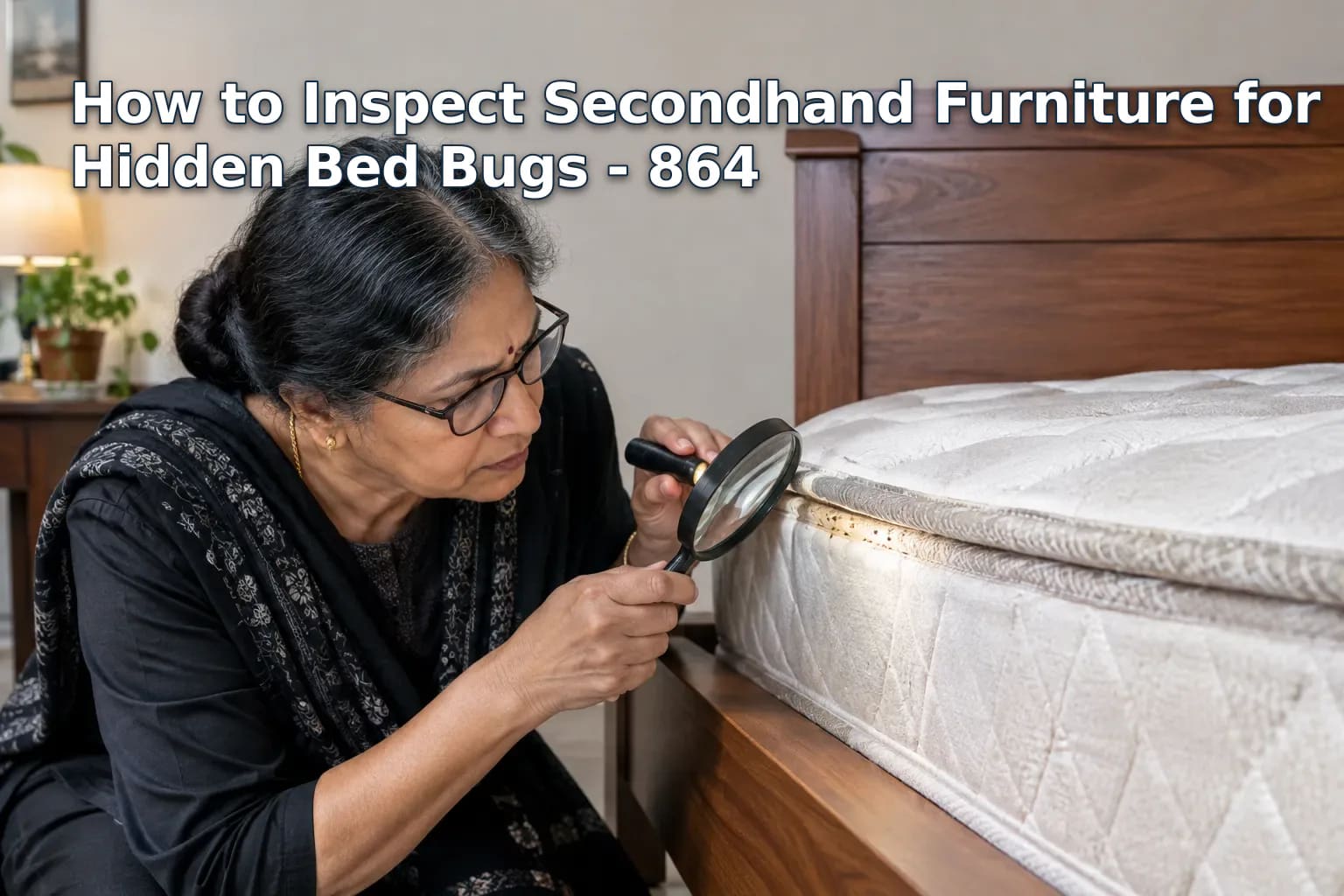
Strategic Use of Tools: Equip yourself with a flashlight and magnifying glass to examine seams, crevices, and any tight places where bed bugs may hide. Furniture staples, tufts, and screw holes are prime locations for pests to conceal themselves.
-
Step-by-Step Physical Inspection:
- Mattresses and Upholstery: Check seams, tags, zippers, and buttons with care.
- Wooden Furniture: Examine joints, undersides, inside drawers, and behind any backing material.
- Cushioned Items: Remove any detachable covers and scrutinize the material beneath.
-
Utilize Interceptor Traps: Place these traps under the legs of furniture to capture any bed bugs that attempt to move undetected, offering an additional layer of protection.
-
Opt for Professional Inspection: If uncertain or if signs of infestation are present, seek a professional pest management assessment to ensure thorough, odorless treatment options that provide peace of mind without intrusive odors.
Implementing these strategies will significantly reduce the risk of introducing bed bugs via secondhand furniture. Remember, prevention through informed inspection is key, as bed bugs are not a reflection of cleanliness but rather opportunistic invaders in any setting.

Visual Identification and Inspection Checklist for Furniture
Before bringing secondhand furniture into your home, employ a meticulous inspection process to ensure it's free from hidden bed bugs. Start by examining each item in a well-lit area. Here’s a precise checklist outlining how to inspect secondhand furniture for hidden bed bugs. You’ll want to look for living insects, shed skins, and minute droppings.
-
Initial Overview: Begin with a general scan of the furniture's external surfaces. Look for small, reddish-brown adults or translucent nymphs, as well as any black or brown specks—evidence of their excrement.
-
Seams and Crevices: Bed bugs are adept at hiding within seams, folds, and cracks in furniture. Pay close attention to seams on mattresses, couches, and upholstered furniture. Use a flashlight and a magnifying glass if necessary to thoroughly inspect creases and joinery.
-
Joints and Corners: Dismantling parts of the furniture can reveal hidden infestations. Inspect joints, screws, and bolts–ideal bed bug hiding spots. Reassemble carefully afterwards, ensuring no pieces are left damaged or improperly secured.
-
Beneath and Inside: Turn furniture items upside down and inspect undersides. Open drawers and cupboards, checking for any signs inside corners. Bed bug casings and fecal spots are typically clustered in undisturbed areas.
-
Covers and Cushions: Remove cushions, pillows, and any detachable covers for a deep check. Bed bugs might lodge themselves underneath or within the seams of these coverings.
-
Odorless Detection Tools: Place interceptor traps and maintain zippered mattress encasements both as preventative measures and to aid in early detection of any missed infestations.
Remember, an infestation is not indicative of poor hygiene. Bed bugs can infest pristine environments by hitchhiking on used items. Rely on professional, advanced odorless treatments if evidence of an infestation is discovered during your inspection. For comprehensive guidance, refer to our treatment methodology section for optimal results.
Interceptor Traps and Safe Inspection Tools
Before bringing secondhand furniture into your home, employ a systematic approach to inspecting for hidden bed bugs. Follow these meticulous steps to ensure your potential acquisition is free from these resilient pests.
Essential Tools for Bed Bug Inspection:
- Flashlight: A powerful flashlight helps illuminate potential infestation sites, particularly in dark crevices.
- Magnifying Glass: A magnifying glass aids in spotting small bed bug nymphs or eggs.
- Zippered Mattress Encasements: If applicable, check for these on the furniture, which can trap and seal in bed bugs, preventing them from migrating.
- Interceptor Traps: These traps can be strategically placed under the legs of furniture once in your possession to monitor any crawling activity over time.
Inspection Checklist:
-
Focus on Seams and Crevices:
- Utilize the flashlight to thoroughly inspect seams, edges, and any stitching on upholstered furniture. These are prime hiding spots for bed bugs.
-
Remove Cushions and Covers:
- Take off any removable cushions or covers to examine beneath and into the couch or chair framework.
-
Inspect Joints and Framework:
- For wooden furniture, inspect joints and beneath the framework. Pay close attention to screw holes and any cracks where bed bugs might hide.
-
Look for Fecal Spots:
- Bed bug fecal spots appear as dark, rusty dots. Check all surfaces for these signs of activity.
-
Monitor with Interceptor Traps:
- Place interceptor traps beneath furniture legs after bringing it into your home, allowing you to detect any late-emerging bugs.
Even in pristine environments, bed bugs can latch onto secondhand furniture, hitching a ride undetected. Regularly using these inspection techniques not only protects your living space but reassures that your property remains a secure and comfortable environment, free from bed bug intrusions. By adhering to these practices, you can confidently add pre-owned pieces to your home without unwelcome surprises.
Integrating Odorless Treatments for Bed Bug Management
Inspecting secondhand furniture for hidden bed bugs requires a methodical approach to ensure early detection and prevent infestation. Start by thoroughly examining each piece outdoors or in a well-lit area to avoid introducing bed bugs into your home. Use the following step-by-step checklist to guide your inspection:
-
Visual Inspection:
- Examine seams, folds, and crevices with a flashlight, as bed bugs often hide in these tight spaces.
- Look for tiny, rust-colored stains, which may be fecal spots, or shed skins indicative of molting nymphs.
- Be attentive to eggs, which resemble small, pale grains of rice.
-
Physical Investigation:
- Utilize a credit card or similar tool to slide along seams where eggs or bed bugs might be wedged.
- Pay special attention to the undersides and backs of furniture, including the areas under cushions and mattress seams.
-
Use of Bed Bug Interceptors:
- Place interceptor traps beneath furniture legs to monitor any hidden bed bugs that might migrate out during the inspection period.
- These traps not only capture migrating bugs but also serve as excellent surveillance tools if you opt to acquire the furniture.
-
Professional Odorless Treatments:
- Once the furniture passes inspection, consider applying odorless micro-encapsulated formulations as a preventive treatment.
- Zippered mattress encasements and targeted odorless contact applications can offer additional protection against residual bugs.
-
Post-Purchase Monitoring:
- After moving the furniture indoors, remain vigilant for signs of bed bug activity.
- Re-inspect your home periodically using integrated pest management techniques and maintain an environment hostile to bed bug harborage, such as reducing clutter.
Remember, the presence of bed bugs is not a reflection of poor hygiene—they hitchhike on belongings and thrive in clean spaces. Detecting them early through careful inspection and employing proactive, odorless treatments can safeguard your home effectively.
Safe Transportation and Preventive Measures
Before bringing secondhand furniture into your home, conduct a thorough bed bug inspection to prevent infestations. Bed bugs can lurk in any environment, regardless of cleanliness, making vigilance key. By following a few proactive steps, you can drastically reduce the risk of transporting these unwelcome hitchhikers.
Begin with a detailed physical inspection:
- Examine Seams and Crevices: Use a flashlight to inspect seams, folds, and crevices, where bed bugs commonly hide.
- Check Cushion Zippers and Piping: Bed bugs are adept at settling in hidden areas like under cushion folds and around zipper and piping closures.
- Look for Shed Skins and Droppings: Inspect for small black or rust-colored spots (excrement) and pale yellow molted skins.
Use preventive measures to enhance effectiveness:
- Use Interceptor Traps: Place interceptor traps under furniture legs before integrating the item with your home surroundings.
- Invest in Mattress Encasements: For mattresses, zippered encasements can trap and starve existing bed bugs, preventing escape.
- Seek Professional Odorless Treatments: Specialized odorless micro-encapsulated formulations and contact applications offer a preventative shield against infestations.
During transport:
- Seal the Item: Encapsulate the furniture in plastic wrapping to contain any bed bugs, minimizing spread during transportation.
- Minimize Handling & Traffic: Reduce the amount of handling and prevent cross-contact with other furniture pieces during the moving process.
Upon arrival:
- Quarantine in a Non-Living Space: Allow a professional to inspect and treat furniture in a garage or storage area using non-intrusive, odorless treatments before introducing it to living spaces.
By approaching secondhand furniture with a blend of vigilance and odorless preventive measures, you safeguard your home from bed bug invasions. It’s crucial to integrate these strategies with professional guidance to maintain a serene and pest-free environment.
Frequently Asked Questions
What are the first signs of bed bugs in secondhand furniture?
Look for small rust-colored spots, translucent exoskeletons, and blood smears, which are indicators of past bed bug infestations.
How can interceptor traps help in detecting bed bugs?
Interceptor traps are placed under furniture legs to catch bed bugs that move undetected, serving as a monitoring tool for potential infestation.
What tools are useful for inspecting furniture for bed bugs?
A flashlight and magnifying glass are essential for inspecting seams and crevices, while odorless treatments can help manage potential infestations.
How should I transport secondhand furniture to avoid spreading bed bugs?
Safely transporting furniture involves sealing it in plastic wraps or bags to prevent any hitchhiking bed bugs from spreading to other areas.
Related Guides
Need Immediate Bed Bug Relief in Your Home?
BedBugsTreatment.co.in offers government-approved chemicals, same-day inspection visits, and a 12-month service warranty across India.