Inspect Secondhand Furniture for Bed Bugs
Understanding Bed Bug Behavior in Furniture
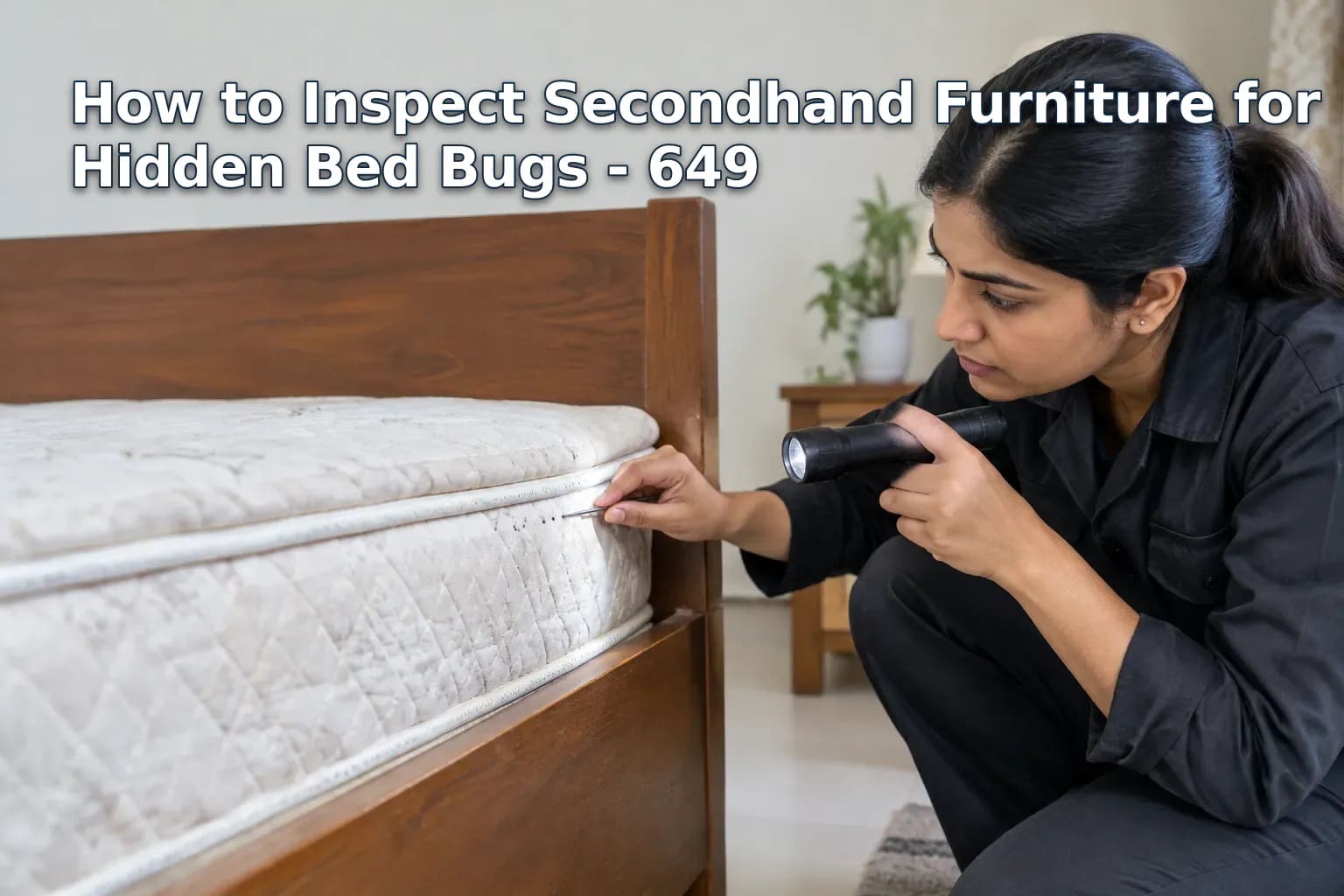
Understanding how to inspect secondhand furniture for hidden bed bugs is essential to prevent unwelcome infestations. Start by examining all surfaces meticulously; bed bugs are adept at concealing themselves in the smallest crevices. Use a few simple tools—like a flashlight and a magnifying glass—to enhance visibility of these hard-to-spot insects.
Key areas to scrutinize include:
- Seams and Stitching: Pay close attention to upholstered areas where seams provide ample hiding space. Slowly peel back seams while shining a flashlight to catch any movement.
- Joints and Cracks: Examine wooden joints and any tiny cracks. Bed bugs can squeeze into incredibly narrow spaces, so every crack is a potential refuge.
- Drawer and Cabinet Edges: Look beneath furniture, around drawer tracks, or inside cabinets, as bed bugs often choose dark, hidden areas.
- Screw Holes and Fasteners: Inspect areas around fasteners, using a magnifying glass if necessary to spot any eggs or live insects.
During your inspection, look for signs beyond live bugs:
- Rusty or Reddish Stains: These may indicate crushed bed bugs.
- Small Dark Spots: These can be the excrement of bed bugs, often referred to as "fecal spots."
- Eggs and Eggshells: Tiny, pale yellow skins and empty shells are evidence of a potential problem.
If you suspect infestation, wrap the furniture securely in plastic and avoid bringing it indoors until professional inspection or treatment. Our advanced odorless treatments, such as targeted contact applications and zippered mattress encasements, can effectively eliminate bed bug threats without leaving any harmful residue. Always prioritize integrated pest management strategies, combining inspection with safe removal and physical exclusion.

Step-by-Step Guide on Inspecting Furniture for Bed Bugs
Inspecting secondhand furniture for hidden bed bugs is vital to prevent infestations in your home. Begin by examining the entire piece in well-lit conditions, using a flashlight and magnifying glass if needed. Pay special attention to crevices, seams, and any folds where bed bugs can hide. Here's a detailed approach:
-
Initial Inspection:
- Remove cushions, covers, and any detachable parts.
- Use a flashlight to inspect seams, zippers, and any stitching for tiny, rust-colored fecal spots or exoskeletons shed by molted nymphs.
- Check any cracks, hollows, or decorative areas that might conceal bugs.
-
Hidden Areas Focus:
- Examine undersides and back panels of sofas or chairs. Bed bugs favor these sheltered regions.
- Look within screw holes, joints, and any gaps in wooden furniture for eggs or live bugs.
-
Physical Exclusion:
- Implement preventative barriers like zippered mattress encasements for mattresses and box springs. These protect you while maintaining the elegance of your furniture.
- Use interceptor traps beneath legs of furniture to catch fleeing bugs, acting as an immediate warning system.
-
Safe Handling Protocol:
- Place inspected furniture on a clean, hard surface temporarily, avoiding carpets where bugs might migrate unnoticed.
- Always bag and dispose of any cleaning materials used during inspection outside the home promptly to prevent transferring pests.
Maintaining vigilance and following these inspection steps ensures peace of mind. Remember, bed bug infestation in furniture doesn't equate to uncleanliness—bed bugs hitchhike effortlessly. Incorporating professional odorless treatment methods into your approach guarantees success in safeguarding your living space. Also, leveraging interceptor traps and regular inspections maintains a bug-free environment. Opt for an expert evaluation if any suspicion arises, using our professional services for peace of mind.
Essential Tools for Effective Bed Bug Inspection
Inspecting secondhand furniture for hidden bed bugs is crucial before introducing items into your home. Careful examination using the right tools can prevent potential infestations. Here's a practical guide to effectively inspecting used furniture for bed bugs.
Inspection Tools:
- Flashlight: Essential for illuminating tiny hiding spots.
- Magnifying Glass: Useful for identifying eggs and nymphs, which can be difficult to see with the naked eye.
- Playing Card or Thin Card: Can be inserted into cracks and crevices to help dislodge any bed bugs or eggs.
- White Sheet or Paper: Ideal for placing beneath furniture to spot moving bed bugs or droppings as you inspect.
Inspection Steps:
-
Initial Visual Check:
- Examine seams, tufts, and folds on mattresses and upholstered furniture using a flashlight.
- Look for small, rust-colored spots (bed bug feces) or translucent skins from nymph molts.
-
Detailed Inspection:
- Use a magnifying glass to inspect stitching and zippers.
- Insert a playing card into cracks and crevices in wooden furniture to detect bed bugs or eggs.
-
Signs to Identify:
- Adult Bed Bugs: Apple seed-sized, reddish-brown.
- Nymphs: Smaller, lighter-colored.
- Eggs: Tiny, white, and often found in clusters.
-
**Use White Sheet or Paper: Place it under the furniture; gently tap the furniture to dislodge bed bugs or fecal matter, making them easier to notice.
-
Check With a Professional: Contact a pest control expert for an odorless inspection if bedbugs are suspected but unseen, ensuring quick, professional management.
Effective inspection of secondhand furniture using these tools and steps will protect your home from potential infestations. Remember, bed bugs thrive via hitchhiking but can be managed with thorough, preemptive action.
Safe Practices for Handling Potentially Infested Furniture
Thoroughly inspecting secondhand furniture is essential to preventing a bed bug infestation in your home. These pests readily hitchhike in clean environments, making proactive inspection crucial. Employ the following steps to identify signs of hidden bed bugs in previously owned furniture:
-
Visual Survey: Begin with a focused visual inspection using a flashlight, paying attention to crevices such as seams, zippers, and button tufting. Bed bugs favor these areas for concealment.
-
Differentiating Marks: Be on the lookout for small, rust-colored stains, which may indicate excrement, and translucent skins from nymph molts. These are reliable indicators even if bugs are not immediately visible.
-
Use Interceptor Traps: Before committing to purchase, strategically place interceptor traps under legs of the furniture while it’s still in the seller’s location if possible. This passive monitoring tool can help detect active bugs over a short period.
-
Zippered Encasements: Enclosing mattresses or cushions in zippered, airtight encasements inhibits bed bug escape and further inspection. Such preventive measures act as a structural barrier and deterrent.
-
Non-Invasive Detection Tools: Carbon dioxide monitors or portable vacuums with fine mesh bags can physically exclude and confirm the presence of bed bugs without alterations or damage to the furniture.
-
Professional Advice: When in doubt, consult with a pest management professional familiar with odorless treatment methodologies for a thorough, expert inspection.
Remember, adopting these inspection practices aligns with integrated pest management principles and helps maintain a secure, bed bug-free environment, reminding us all that infestations do not reflect personal neglect but rather the resilient nature of these pests.
Odorless Solutions for Post-Inspection Treatment
Begin your pre-purchase inspection of secondhand furniture with a calm and confident approach, focusing on key signs that can reveal hidden bed bug presence. Utilize the following checklist to ensure a thorough assessment:
-
Visual Inspection: Carefully examine seams, tufts, and folds where bed bugs often hide. Use a flashlight to illuminate dark areas and a magnifying glass to spot bed bug eggs, about the size of a pinhead and mostly white.
-
Detection of Physical Signs: Look for small, black fecal spots, shed skins, and bloodstains, which indicate bed bugs' presence. Check zippers, bed frames, and any crevices or joints in the furniture.
-
Use of Interspections Tools: Employ interceptor traps around the furniture legs to detect unnoticed bugs. These barrier tools act as an early detection mechanism by capturing bed bugs as they travel.
-
Implement Zippered Mattress Encasements: If purchasing upholstered furniture, consider employing specialized encasements to trap and isolate any existing bed bugs, preventing their escape and reproduction.
-
Odorless Treatment Application: Should your inspection confirm an infestation, proceed with professional odorless treatments. Utilize micro-encapsulated odorless formulations designed to unobtrusively reach and eliminate hidden bed bugs without affecting your living environment's air quality.
-
Consistent Monitoring: Regularly re-inspect the furniture with focus on high-risk areas and continue using traps or encasements as preventive measures.
Remember, bed bugs are masters of disguise and their presence is not a reflection of cleanliness. Your vigilance and proactive approach in inspecting secondhand furniture can prevent unnecessary infestations. Prioritize peace of mind and protection for your living spaces by employing these professional, destigmatizing strategies. Protect against bed bugs with confidence, promoting a healthy, comfortable, and stress-free environment.
Frequently Asked Questions
What are the signs of bed bugs in secondhand furniture?
Look for rusty or reddish stains, small dark excrement spots, eggshells, and live bed bugs in seams, joints, and dark crevices of the furniture.
How can I prevent bed bugs when buying secondhand furniture?
Perform a thorough inspection using a flashlight and magnifying glass. Focus on seams, cracks, and hidden areas. Consider treating furniture with insecticide or heat before bringing it indoors.
What should I do if I find bed bugs on secondhand furniture?
Wrap the infested furniture in plastic to prevent spreading and consider discarding it. If keeping it, thoroughly treat it using bed bug sprays and heat treatment methods.
Can bed bugs hide in wooden furniture?
Yes, bed bugs can hide in the joints, cracks, and screw holes of wooden furniture. They are adept at finding narrow spaces to conceal themselves.
Related Guides
- Comprehensive Guide to Bed Bug Treatment in Mumbai
- Removing Bed Bug Eggs Without Chemicals
- Effective Odorless Bed Bug Treatment in Pune | Khatmal Pest Control
- Effective Odorless Khatmal Control Services in Mumbai
- Mattress Inspection Checklist for Bed Bug Detection and Prevention in
- Comprehensive Guide to Eliminating Bed Bugs in Bangalore
Need Immediate Bed Bug Relief in Your Home?
BedBugsTreatment.co.in offers government-approved chemicals, same-day inspection visits, and a 12-month service warranty across India.