How to Kill Bed Bugs at Home
Dealing with bed bugs can be challenging for homeowners and renters, but addressing the issue promptly can prevent them from spreading. Here’s how to effectively eliminate bed bugs from your home.
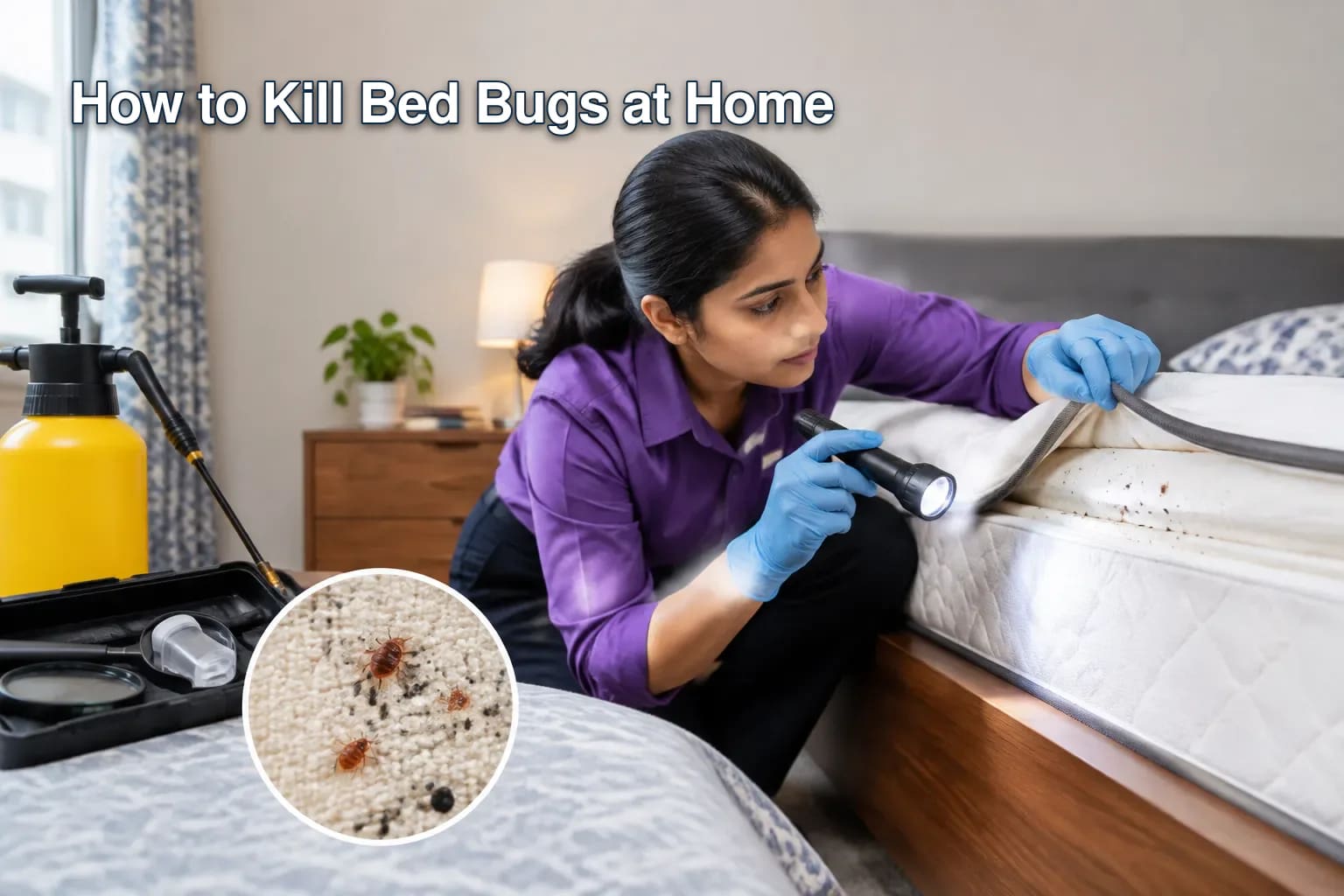
Identifying Bed Bug Infestation
Recognizing a bed bug infestation early is crucial. Common signs include:
- Small, rust-colored stains on bed sheets and mattresses, often indicative of bed bug fecal spots.
- Tiny white eggs or shed skins found in crevices and along mattress seams.
- The presence of live bed bugs, which are small, flat, and reddish-brown.
- An unpleasant musty odor in infested areas.
Identifying these signs can help confirm a bed bug problem. For further guidance on spotting bed bugs, visit Bed with Bed Bugs.
Inspecting Your Home for Bed Bugs
Carefully inspect common hiding spots for signs of bed bugs:
- Check mattress seams, furniture crevices, and between couch cushions.
- Examine behind headboards, under wallpaper that is peeling, and inside electrical outlets.
- Use bed bug interceptor traps under furniture legs to detect bed bugs trying to climb up EPA source.
Detailed DIY Inspection
A thorough inspection is essential. Explore our Room-by-Room Bed Bug Inspection Guide for Indian Homes for detailed inspection tips.
Effective DIY Methods to Kill Bed Bugs
You can manage a bed bug infestation using a combination of heat, steam, and appropriate chemical treatments:
- Heat Treatment: Use a clothes dryer on high heat for at least 30 minutes to kill bed bugs on clothing and bedding EPA source.
- Steam Treatment: Utilize steam cleaners to treat cracks, fabrics, carpets, baseboards, bed frames, and furniture. Make sure the steam temperature is at least 130°F, without forceful airflow that might scatter the bugs EPA source.
- Freezing: Use freezing to kill bed bugs by ensuring that items are placed in a sealed bag and kept at 0°F for a minimum of three days, verifying with a thermometer due to home freezer variability EPA source.
- Encasements: Use mattress and box spring encasements to trap bed bugs and prevent them from spreading further.
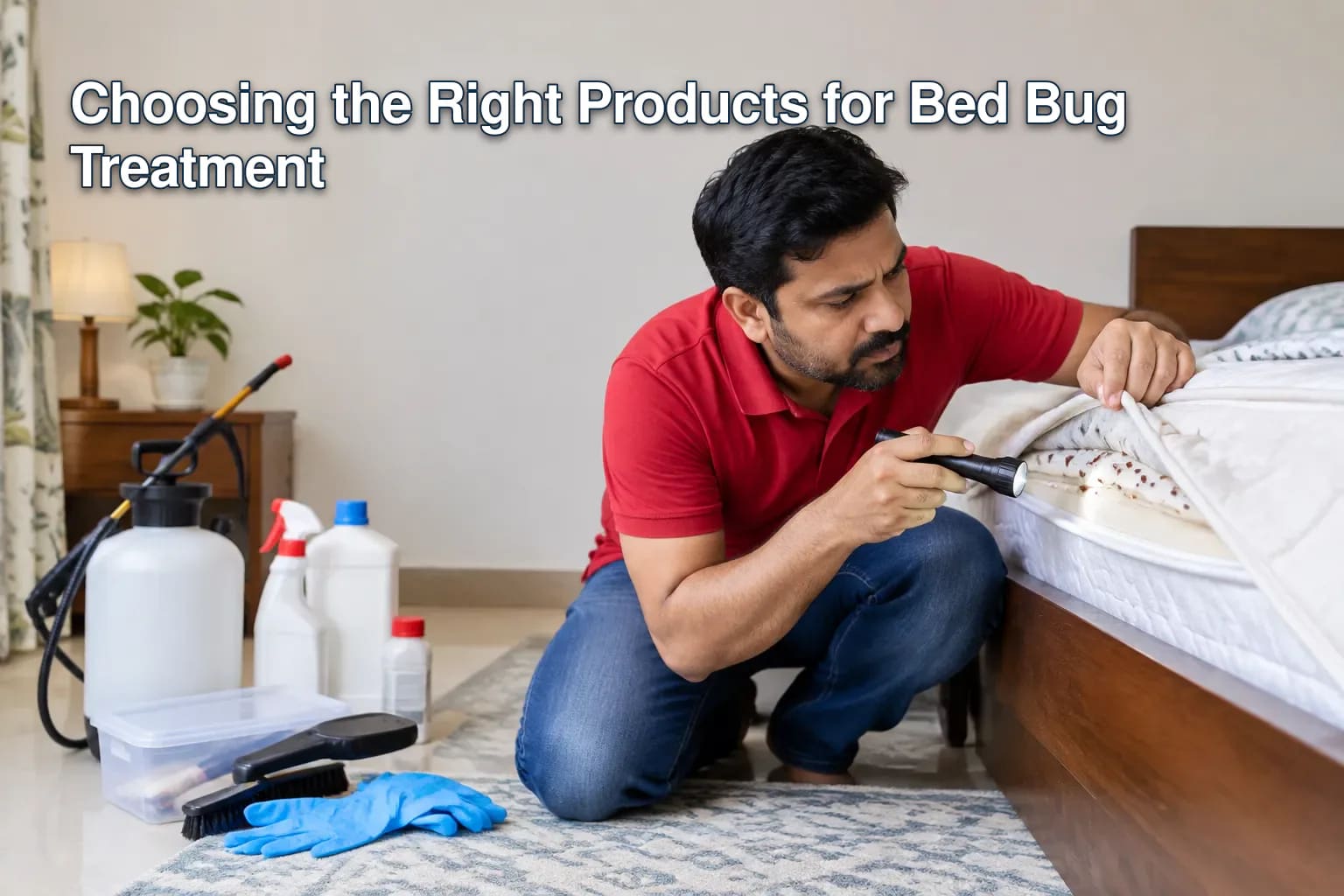
Choosing the Right Products for Bed Bug Treatment
Select products that are safe and effective:
- Chemical Products: Seek EPA-registered pesticides with bed bugs listed on the label EPA source.
- Desiccants: Desiccants dry out bed bugs without resistance issues, but it’s important to use only pesticide-registered desiccants EPA source.
Avoid foggers or "bug bombs" as they might not cover treated areas effectively and pose safety risks EPA source.
Professional Bed Bug Treatment Options
While DIY methods are beneficial, sometimes professional help may be required:
- Professional Services: Professional pest management can include integrated pest management techniques, which combine monitoring with various treatment methods EPA source.
- Cost Consideration: Costs for professional treatments can vary based on the infestation size and location. For specific costs in cities like Pune, consider Bed Bug Treatment Cost in Pune.
For choosing a reliable provider, refer to our guide on How to Choose the Right Bed Bug Extermination Service.
Preventing Future Bed Bug Infestations
Preventative measures are key to keeping bed bugs at bay:
- Reduce clutter and conduct regular inspections.
- Pre-inspect used furniture or clothing.
- Use encasements on mattresses and box springs.
Considering the Indian Context
Traditional or herbal remedies might vary in effectiveness. Consistency with scientifically-backed techniques is advisable. Localized factors such as urban density may impact bed bug prevalence. For a comparison of chemical sprays versus steam treatment, see Bed Bug Chemical Spray vs Steam Treatment: A Comprehensive Comparison.
By understanding and applying these methods, you can successfully tackle bed bug infestations and maintain a bed bug-free environment. For more solutions tailored for Indian homes, check the Effective Bed Bug Treatments at Home.
Frequently Asked Questions
What are the most effective products for killing bed bugs?
Products that are EPA-registered for bed bugs and have them listed on the label are recommended for chemical treatment. Desiccants are also effective but should be pesticide-registered.
How long does it take to get rid of bed bugs?
The duration depends on the severity of the infestation. DIY treatments can take several weeks, while professional treatments might resolve the issue more quickly.
Are there professionals who can handle bed bug extermination?
Yes, professional pest control services offer comprehensive treatments using integrated pest management, a method combining various treatment options.
Is it safe to stay in a bed bug-infested house?
It can be distressing, but there is no direct health danger from bed bug bites. However, addressing the infestation promptly is advised to prevent it from worsening.
What are the signs that bed bugs are gone?
The absence of live bed bugs, fecal spots, and eggs after treatment are good indicators that an infestation is over.
References
- Do-it-yourself Bed Bug Control | US EPA — US Environmental Protection Agency. Accessed 2026-09-25. Supports: Effective at-home bed bug control should use an integrated approach, combining nonchemical methods (laundering/dryer heat, steam, freezing where temperatures are verified, encasements, interceptors, monitoring) with careful pesticide use when needed—not pesticides alone.
- Preparing for Treatment Against Bed Bugs | US EPA — US Environmental Protection Agency. Accessed 2026-09-25. Supports: Household dryer heat is a practical DIY method: EPA says clothing, bedding, and other dryer-safe items can be heat treated in a household dryer on high heat for 30 minutes to kill bed bugs and eggs.
- Do-it-yourself Bed Bug Control | US EPA — US Environmental Protection Agency. Accessed 2026-09-25. Supports: Steam can be used on cracks, fabrics, carpets, baseboards, bed frames, and furniture, but EPA specifies that the steam temperature must be at least 130°F and should not have forceful airflow that scatters bed bugs.
- Do-it-yourself Bed Bug Control | US EPA — US Environmental Protection Agency. Accessed 2026-09-25. Supports: Freezing may kill bed bugs only when temperature is reliably low enough; EPA says sealed items should be left in a freezer at 0°F for three days and that a thermometer should be used because home freezers are not always set to 0°F.
- Do-it-yourself Bed Bug Control | US EPA — US Environmental Protection Agency. Accessed 2026-09-25. Supports: Bed bug interceptors can be used under furniture legs to catch bed bugs and help keep them from climbing up furniture legs.
- Do-it-yourself Bed Bug Control | US EPA — US Environmental Protection Agency. Accessed 2026-09-25. Supports: For chemical treatment, EPA recommends looking for pesticide products that are registered for bed bugs and have bed bugs listed on the label.
- Do-it-yourself Bed Bug Control | US EPA — US Environmental Protection Agency. Accessed 2026-09-25. Supports: Foggers or “bug bombs” should not be the only bed bug control method because the spray does not reach the cracks and crevices where bed bugs hide; improper use can also create health, fire, or explosion hazards.
- Do-it-yourself Bed Bug Control | US EPA — US Environmental Protection Agency. Accessed 2026-09-25. Supports: Desiccants may be useful against bed bugs because they dry out the insect and bed bugs cannot develop resistance to that mode of action; EPA cautions to use only pesticide-registered desiccant products and not pool- or food-grade diatomaceous earth.
- Hiring a Pest Management Professional for Bed Bugs | US EPA — US Environmental Protection Agency. Accessed 2026-09-25. Supports: Professional pest management is recommended when needed because professionals can inspect, dismantle furniture if necessary, and use IPM tools such as vacuums, heat, and pesticides; EPA says anyone hired should use IPM and monitor for missed bugs.
Need Immediate Bed Bug Relief in Your Home?
BedBugsTreatment.co.in offers government-approved chemicals, same-day inspection visits, and a 12-month service warranty across India.