Early Signs of Bed Bug Infestation
Identification & Life Cycle of Bed Bugs
Spotting early signs of a bed bug infestation requires keen observation and understanding of their lifecycle. Bed bugs, or Cimex lectularius, are small and elusive, especially during the early stages of an infestation. Keep an eye on your mattresses and couches, as these are common initial hiding spots.
Signs to Watch For:
- Small Rusty or Reddish Stains: These can appear on bed sheets or upholstery from crushed bed bugs.
- Tiny Dark Spots: These are possibly bed bug excrement and can seep into fabric like a marker.
- Eggs and Eggshells: Tiny and pale yellow, often found in hidden crevices or folds.
- Shed Exoskeletons: As nymphs grow, they molt, leaving behind translucent shells.
- Live Bugs: Adult bed bugs are about the size of an apple seed, reddish-brown, and wingless.
Inspection Tips:
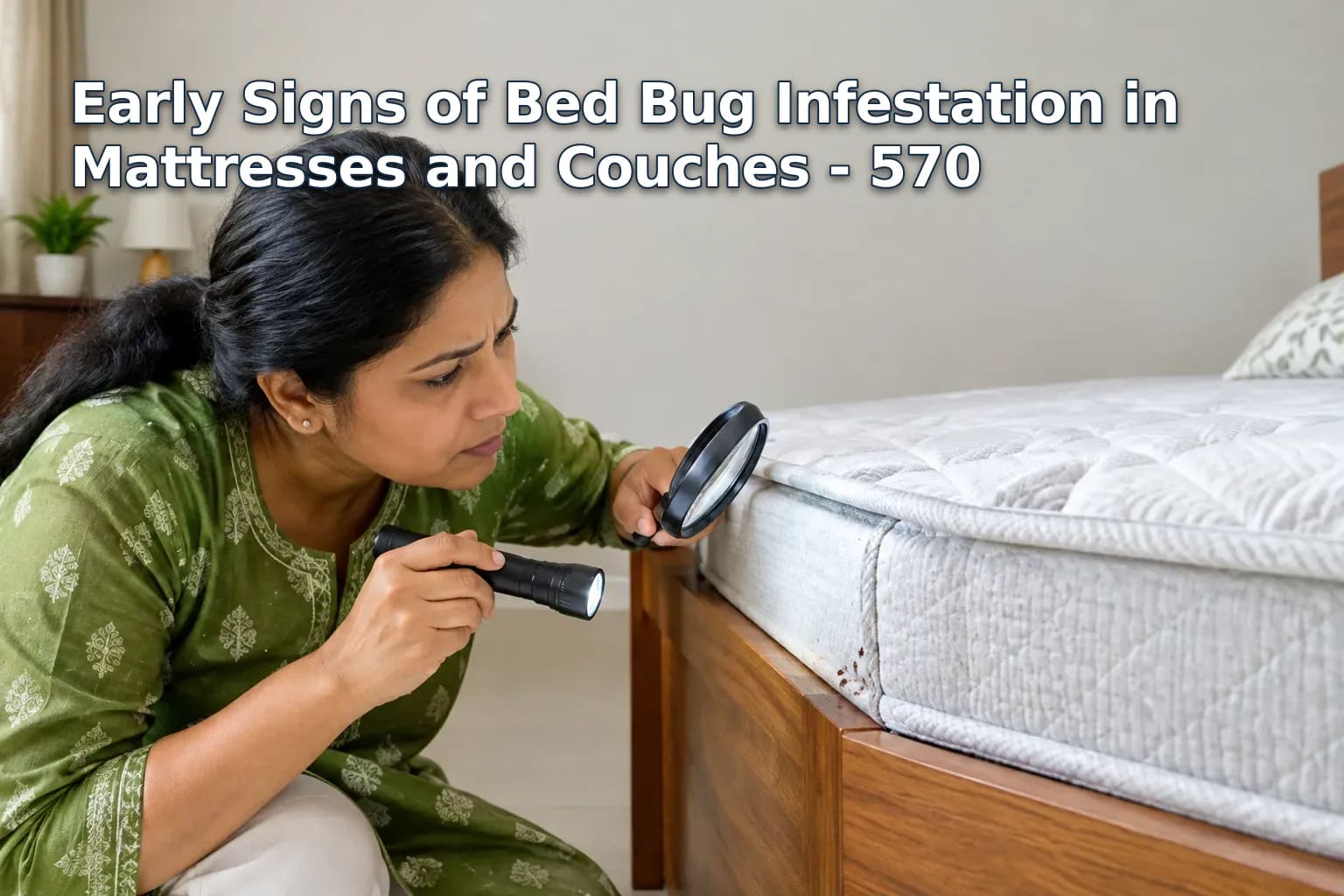
- Mattresses: Carefully check seams, tufts, and folds. Use a flashlight to inspect the headboard and bed frame.
- Couches: Examine along seams, between cushions, and in any folds. Look underneath cushions and in folds of fabric.
- Night Habits: Bed bugs are nocturnal, feeding on hosts while they sleep by sensing carbon dioxide and warmth. Thus, bites, often in clusters or a line, may appear, though bites alone do not confirm an infestation.
Steps for Prevention and Control:
- Zippered Mattress Encasements: Use these to lock bed bugs out or in, preventing further infestation.
- Interceptor Traps: Place these under bed legs to monitor and catch any crawling bugs.
- Integrated Management: Engage professional odorless treatment services using micro-encapsulated formulations to ensure thorough, safe, chemical-free control.
Act swiftly upon the initial signs to avoid escalation. Remember, bed bugs can thrive in any clean environment, and spotting them early is essential to maintain peace of mind without disruption from more aggressive measures.
Inspection Protocols for Detecting Infestations
Early detection of bed bugs can prevent the spread and escalation of an infestation. Begin by focusing on prime hiding locations such as mattresses and couches, as these are common sites for initial infestations. To identify early signs, adhere to the following systematic inspection protocols:
-
Mattress Examination:
- Seams & Linings: Carefully inspect the seams, piping, and the area beneath mattress tags. Look for rust-colored stains or dark specks, which are bed bug excrement marks.
- Zippered Encasements: Check underneath and around existing zippered mattress encasements for any trapped bugs or small, pale molted skins (indicative of nymphal stages).
-
Couch Inspection:
- Cushion Crevices: Remove and examine both sides of the cushions for eggs, larvae skins, or dark fecal spots which bed bugs often leave behind.
- Frame and Upholstery: Pay particular attention to seams and the couch frame, especially in folded fabric areas. Utilize a flashlight to reveal hidden bugs.
-
General Indicators:
- Unexplained Bites: Note unusual bites in a linear pattern, typically on exposed skin that appears overnight.
- Distinctive Odor: Even though our treatments are odorless, a musty, sweet smell might still emanate naturally from bed bug infestations before treatment.
-
Common Misunderstandings:
- Visual Identification Only: Relying solely on visible insect detection is insufficient—consider interceptor traps and minor structural barriers to confirm activity in suspected areas.
-
Professional Assistance:
- Should any signs be noted, contact our professionals who use safe, effective, odorless treatments, offering protection and peace of mind. Our methods include meticulous inspection and targeted odorless contact applications for lasting results.
Employ these protocols consistently to identify any potential infestations early, ensuring swift, thorough, and non-disruptive eradication. Early detection involves careful scrutiny and awareness of these telltale signs, supported by precision treatments designed to eliminate bed bugs discreetly and effectively without disruptively harsh odors.
Prevention Strategies and Environmental Exclusion
Detecting bed bugs early is crucial to effective management and prevention. Here’s how to identify early signs of bed bug infestation in mattresses and couches before they become a larger problem:
Visual Inspection: Begin with a meticulous examination of bed seams, tufts, and labels on both your mattress and couch. Spotting bed bugs is challenging due to their small size, but look for tiny, reddish-brown insects or dark spots (fecal matter).
Alert for Exoskeletons and Eggs:
- Shedded skins: Bed bug nymphs shed their skins multiple times as they mature.
- Eggs and egg shells: These are small, white, and found in clusters. Check crevices and folds.
Look for Bites:
- Bed bug bites often appear in clusters or lines, causing itching. Keep in mind, skin reactions vary greatly among individuals.
Use Interceptor Traps: Placing interceptor traps under bed and couch legs can reveal hidden infestations. These traps capture bed bugs coming or going from furniture at night.
Zippered Mattress and Couch Encasements: To prevent bed bugs from harboring, use special encasements designed to entrap and starve bed bugs already inside cushions and mattresses.
Environmental Evidence:
- Blood Stains: As bed bugs feed, they sometimes leave behind tiny blood stains on bedding or upholstery.
- Odorless Treatment Remnants: Look for micro-encapsulated treatment residues, which are essential for long-term management.
An effective strategy interweaves ongoing inspection with odorless treatments, micro-encapsulation, and strategic barriers. This multi-layered approach prioritizes safety while efficiently managing infestations. Remember, bed bugs can appear in any environment. Infestations have no correlation to cleanliness, reflecting instead on the pests' adept hitchhiking abilities. Proactively engaging these methods helps to minimize their impact and restore peace of mind.

Professional Odorless Treatment Options
Recognizing the early signs of bed bug infestation in mattresses and couches is crucial for swift and effective intervention. Be vigilant for tiny blood spots or dark fecal stains on sheets and upholstery, which often signal bed bug activity. If you discover these indications, employ professional odorless treatment strategies, which offer a comprehensive, safe approach while maintaining environmental sensitivity.
Integrated Odorless Treatment Strategy:
-
Detailed Inspection: Initiate with a meticulous examination of your living space. Focus on mattress seams, box springs, couch crevices, and furniture joints where bed bugs frequently hide.
-
Zippered Mattress Encasements: Utilize specialized encasements on mattresses to create a barrier, preventing bed bugs from entering or escaping.
-
Interceptor Traps: Position bed bug interceptors under furniture legs, a straightforward yet highly effective tactic to pinpoint and monitor infestations.
-
Micro-Encapsulated Formulations: Implement targeted odorless treatments, such as advanced micro-encapsulated formulations, that disrupt growth and reproduction. These are safe and imperceptible to humans, ideal for maintaining inhabitable environments without chemical intrusions.
-
Physical Exclusion Techniques: Use caulking or sealants to block pest entry points, focusing on cracks and crevices near potential nesting zones.
-
Continued Monitoring: Routine inspections post-treatment ensure the efficacy and help prevent reinfestation. Odorless solutions facilitate a seamless process, allowing for unobtrusive intervening methods without evacuating occupants.
Selecting a professional service that emphasizes odorless, non-toxic strategies ensures safety, especially in sensitive settings like homes with children or pets. Expert-led integrated pest management principles provide peace of mind, addressing the problem decisively without odorless, pet-safe formulations. Remember, bed bugs invade environments through hitchhiking and indicate their presence through subtle signs, not cleanliness issues. Taking proactive steps with a professional service guarantees comprehensive management tailored to your unique needs.
Safe Physical Exclusion Techniques
The earliest signs of a bed bug infestation in mattresses and couches often manifest subtly. Look for small reddish or rust-colored stains on fabric surfaces, which may be remnants from bed bug feces or crushed insects. Additionally, uncover small, white, oval-shaped eggs attached to seams or folds with a light adhesive. Detecting these signs can be challenging, especially since bed bugs are nocturnal and often hide during the day in crevices and dark corner areas.
Safeguard and Exclude:
-
Mattress and Couch Inspection:
- Carefully examine seams, tags, and zippers for eggs or shed skins.
- Use a flashlight to explore deep recesses and tighten the identification of possible nymph and adult harborages.
-
Implementing Physical Barriers:
- Seal mattresses with high-quality zipper encasements designed to trap bugs inside and prevent new infestations.
- Install interceptor traps under bed and sofa legs to capture any pests attempting to climb up and feed.
-
Non-Chemical, Odorless Treatments:
- Apply micro-encapsulated odorless formulations to guide perimeter barriers within infested rooms.
- Employ double-sided adhesive tape around furniture bases to deter movement.
-
Professional Inspection and Management:
- Partner with integrated pest management professionals who specialize in odorless treatments to periodically inspect and draw up a comprehensive, customized plan. These experts will safely manage environments without leaving harmful residues or lasting odors.
Remember, the mere presence of bed bugs in mattresses or couches does not reflect cleanliness; these pests are adept travelers, aided by used furniture, luggage, and clothing. Early and diligent inspection, combined with safe physical exclusion practices, facilitates rapid containment and resolution, maintaining the comfort and integrity of your home.
Frequently Asked Questions
What are the early signs of a bed bug infestation?
Early signs of a bed bug infestation include small rusty or reddish stains on sheets, tiny dark spots of excrement, pale yellow eggs and eggshells, shed exoskeletons, and live bugs, particularly in and around mattresses and couches.
How can I check my mattress for bed bugs?
To check a mattress for bed bugs, examine seams, tufts, and folds thoroughly. Use a flashlight to inspect the headboard and bed frame, and look for signs such as stains, dark spots, or live bugs.
What should I do if I suspect a bed bug infestation?
If you suspect a bed bug infestation, start by thoroughly inspecting your living space. Consider using a zippered mattress encasement, launder beddings in hot water, and consult a pest control professional for odorless treatment options.
Can bed bug bites confirm an infestation?
Bed bug bites often appear in clusters or lines and are a potential indicator of an infestation, but they alone do not confirm it. It is important to look for other signs, such as live bugs or excrement.
Related Guides
- Effective Odorless Khatmal Control Services in Mumbai
- Odorless Bed Bug Control Services in Pune: Effective and Safe
- Comprehensive Guide to Bed Bug Treatment in Mumbai
- Protect Your Bangalore Home from Bed Bugs: Effective Strategies
- Effective Odorless Bed Bug Treatment in Pune | Khatmal Pest Control
- Mattress Inspection Checklist for Bed Bug Detection and Prevention in
Need Immediate Bed Bug Relief in Your Home?
BedBugsTreatment.co.in offers government-approved chemicals, same-day inspection visits, and a 12-month service warranty across India.