Bed Bug Prevention in Bangalore: Strategies for a Pest-Free Home
Bed bugs are a growing concern for many Bangalore residents due to the city's dense population and diverse range of accommodations. These pests can easily hitch a ride into your home on luggage, clothing, or second-hand furniture. To effectively Prevent Bed Bugs in Bangalore Homes: Effective Strategies & Tips bed bugs from taking over, it's essential to implement proactive measures that address potential entry points and establish ongoing vigilance. This article provides comprehensive strategies specifically designed for homes in Bangalore. From understanding the biology and behavior of bed bugs to recognizing the signs of an infestation, you'll learn how to keep your home bed bug-free with confidence.
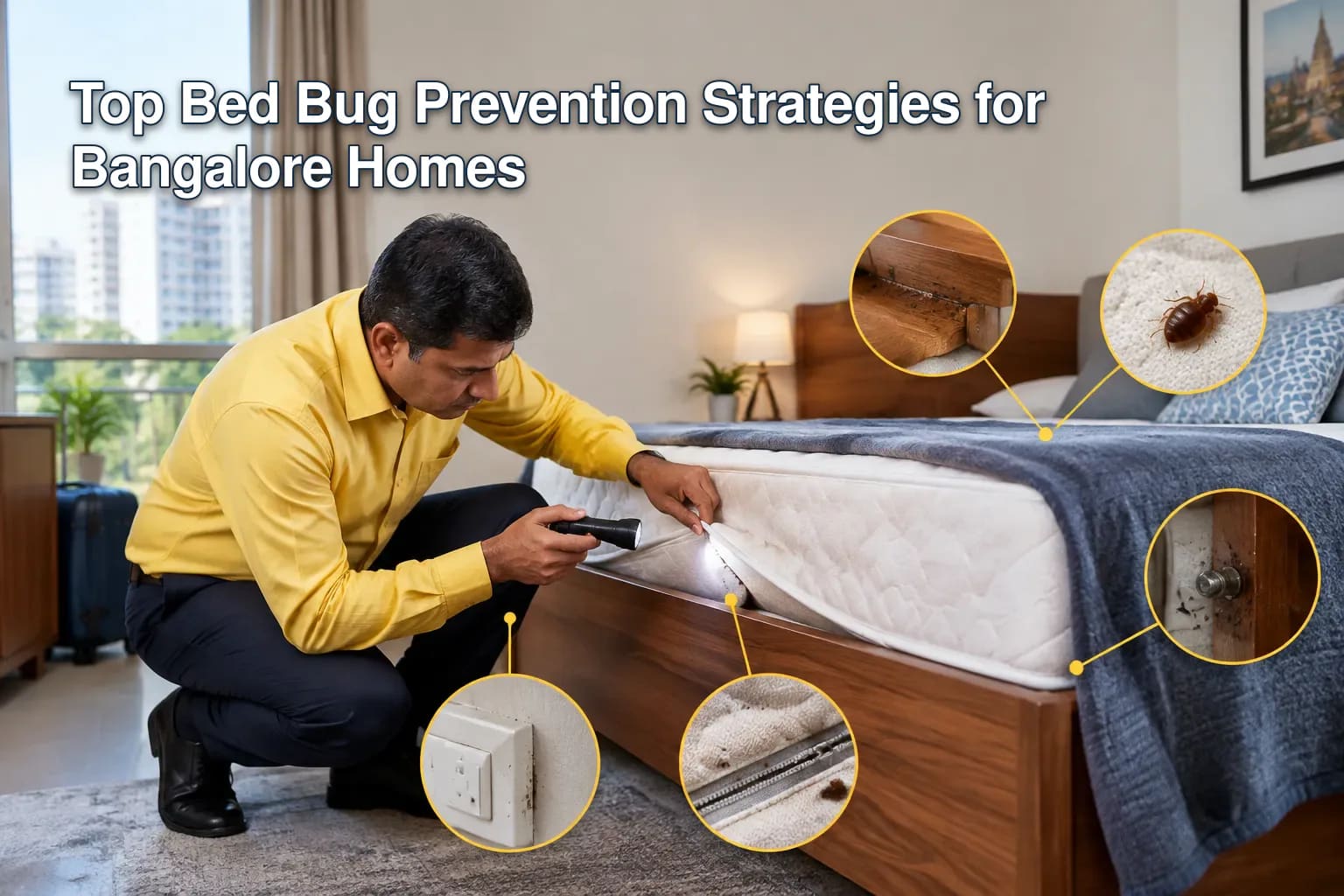
Quick Guide to Bed Bug Prevention in Bangalore
Preventing bed bugs in Bangalore requires a multifaceted approach. Begin by inspecting used or second-hand furniture and clothing before bringing them indoors. Ensure your home is clutter-free to reduce hiding places. Regularly vacuum and clean bedding, curtains, and carpets to remove any potential eggs or bugs. Consider using protective covers for mattresses and pillows that are specifically designed to Prevent Bed Bugs in Bangalore: Effective Strategies & Tips bed bug infestations. Install door sweeps and seal cracks around windows and walls to minimize entry points. Additionally, thorough inspections after travel can prevent introducing these pests into your home. (see UC IPM Pest Notes – Bed Bugs)
Understanding Bed Bugs: Basics for Bangalore Residents
Bed bugs are small, reddish-brown insects that feed on human blood, typically at night. Although they do not fly, their adept crawling abilities allow them to spread quickly within homes and between units in apartment complexes. Bed bugs are particularly problematic in dense urban areas like Protect Your Bangalore Home from Bed Bugs: Effective Strategies, where frequent travel and high turnover in lodgings occur. An understanding of their biology, such as their inability to transmit diseases, helps in crafting effective prevention strategies. Recognizing the limitations of bite marks alone in identifying infestations is essential, as they can be mistaken for other insect bites or allergic reactions.
How Do Bed Bugs Spread?
Bed bugs spread primarily through human activity. They can latch onto luggage, clothing, and personal items, making travel a significant risk factor. In Bangalore, with its bustling travel hubs and frequent movement of people, the risk of spreading bed bugs increases. Once inside a home, they can move through walls, electrical outlets, and plumbing, especially in apartment complexes. Understanding these pathways is crucial for effective prevention.
Identify and Seal Entry Points
To prevent bed bugs from entering your home, it's crucial to identify and seal entry points. Common entry points include cracks in walls, gaps between floorboards, and spaces around electrical outlets and pipes. Use caulk or weatherstripping to seal these openings. In multi-unit buildings, bed bugs can migrate through shared plumbing and electrical conduits. Installing door sweeps and using double-sided tape around doors and windows can further minimize entry. Regular inspections of these areas will help in early detection and prevention of infestations.
How to Inspect for Bed Bugs
Regular inspections are vital in preventing bed bug infestations. Start by examining the seams of mattresses, box springs, and bed frames for signs of bed bugs or their droppings. Use a flashlight to check behind headboards and under furniture. Pay attention to cracks and crevices in walls and floors. Early detection can prevent a small problem from becoming a significant Recognizing Bed Bug Infestation Signs: Fecal Spots, Cast Skins, and More.
Room-by-Room Prevention Tips
Each room in your home requires specific preventive measures to keep bed bugs at bay. In the bedroom, encase mattresses and box springs in special bed bug-proof covers. Wash bedding and curtains regularly with hot water and a high-temperature dry cycle to kill any potential pests. In the living room, avoid placing personal items like backpacks or purses on upholstered furniture. For kitchens and bathrooms, maintaining cleanliness and sealing all cracks will deter bed bugs from settling in these areas. Finally, garage and storage areas should be clutter-free, as clutter provides ample hiding spaces for bed bugs.
Bedroom: The Primary Battlefront
The bedroom is often the primary site of bed bug infestations. To protect this area, use encasements on mattresses and box springs. These covers trap any existing bugs and prevent new ones from entering. Regularly wash and heat-dry all bedding materials. Consider using a bed bug interceptor under each leg of the bed to trap bugs before they can climb up.
Living Room: A Secondary Target
In the living room, avoid placing bags or clothing on upholstered furniture. Regularly vacuum sofas and chairs, paying special attention to seams and crevices. If you suspect an infestation, consider using a steam cleaner on furniture, as the heat can kill bed bugs and their eggs.
Effective Use of Bed Bug Sprays and Treatments
Using bed bug sprays can be a part of your prevention strategy but must be done correctly. Ensure any insecticide used is specifically labeled for bed bugs and follow the manufacturer's instructions precisely. Be cautious of using household chemicals like kerosene or rubbing alcohol, which are both flammable and ineffective for hidden infestations. Steam treatments can effectively kill bed bugs and eggs upon contact but require professional equipment to reach deeply hidden areas. Implementing Integrated Pest Management (IPM) practices can provide more comprehensive, sustainable solutions.
Integrated Pest Management (IPM)
IPM is a holistic approach to pest control that combines multiple strategies to manage pests effectively. For bed bugs, this includes regular monitoring, preventive measures, and the judicious use of chemical treatments. IPM focuses on long-term prevention and is particularly effective in urban settings like Bangalore.
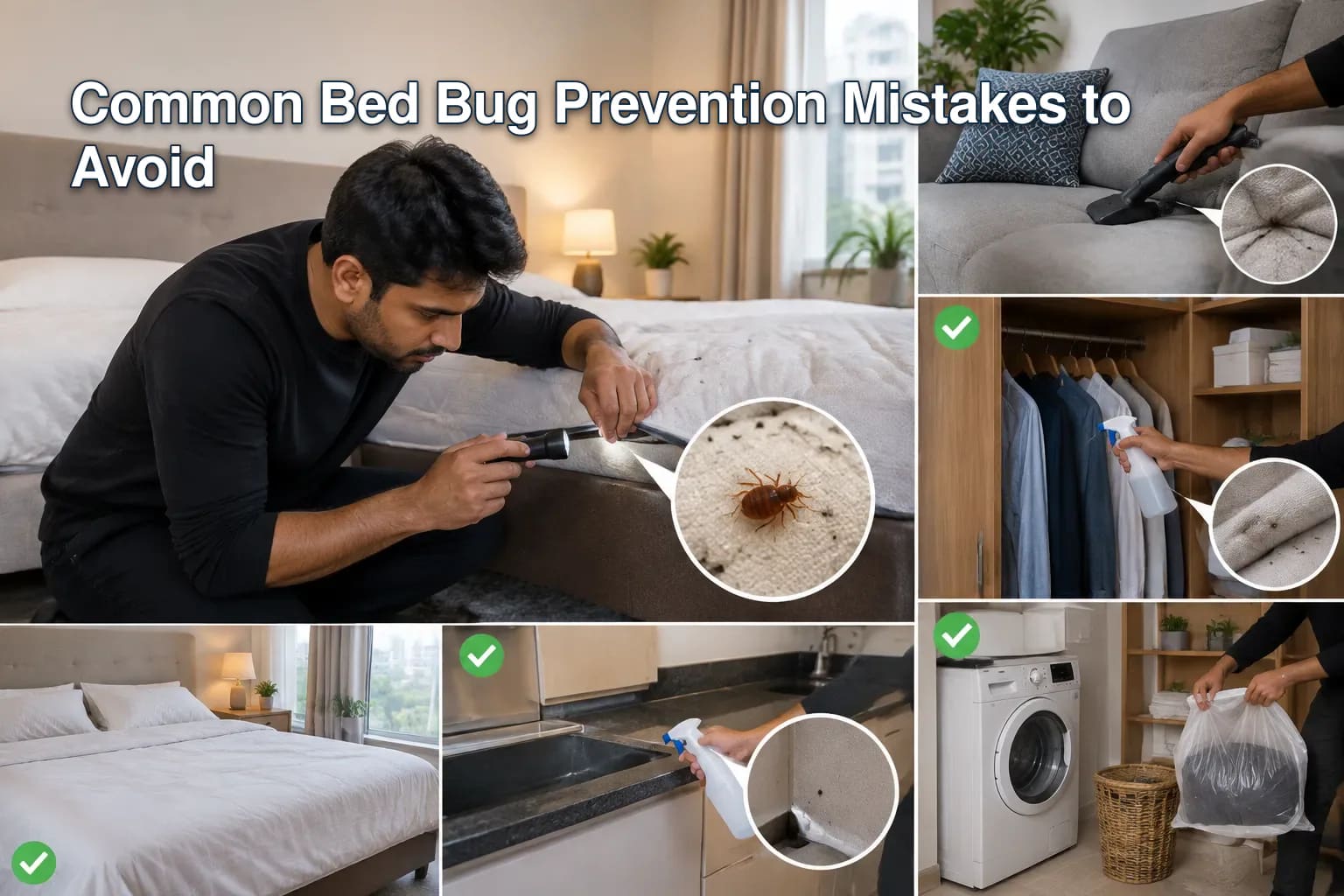
Common Bed Bug Prevention Mistakes to Avoid
A common mistake is relying on ineffective home remedies, such as using baking soda, neem oil, or lavender sprays, which lack scientific evidence supporting their effectiveness against bed bugs. Avoid excessive use of diatomaceous earth, as improper application can present respiratory hazards and is ineffective as a standalone treatment. Another error is ignoring the need for follow-up treatments; since bed bug eggs can hatch days after an initial treatment, a single intervention may not be sufficient. Regular monitoring and repeated treatments are necessary to ensure complete eradication.
Missteps in DIY Treatments
Many homeowners attempt DIY treatments without understanding the full scope of the problem. Over-the-counter sprays may kill visible bugs but often miss hidden eggs. Without professional guidance, these efforts can lead to prolonged infestations. Always consult with a pest control expert if you're unsure about the best course of action.
Professional Inspection and Treatment Services in Bangalore
When dealing with a persistent bed bug problem, professional bed bug treatment services are often necessary. In Bangalore, companies like BedBugsTreatment offer customized solutions based on property type and infestation severity. They provide professional-grade treatments that address hidden bugs and eggs, ensuring thorough extermination. Pricing for services varies widely depending on property size, infestation severity, and the initial and follow-up treatments required, which is why a professional inspection is essential before receiving a quote.
Choosing the Right Pest Control Service
Selecting a reputable pest control service is crucial. Look for companies with certified technicians and positive customer reviews. Ask about their treatment methods and ensure they follow safety protocols. A good service will offer a detailed plan and follow-up visits to ensure the infestation is fully resolved.
Conclusion: Maintaining a Bed Bug-Free Home
To maintain a pest-free home, vigilantly apply the suggested prevention strategies diligently and monitor for any signs of bed bug activity. Awareness of their behavior patterns and potential entry points can significantly aid in early detection and prevention. Regular professional inspections are worthwhile to ensure that small problems don't turn into larger infestations. By maintaining cleanliness and reducing clutter, alongside consistent preventive practices, homeowners can effectively keep bed bugs at bay in their Bangalore residences.
Frequently Asked Questions
What should I do if I find bed bugs in my Bangalore home?
Contact a professional pest control service immediately to assess and treat the infestation. Avoid self-treating without consultation, as improper methods can worsen the problem.
How can I identify bed bug bites compared to other insect bites?
Bed bug bites often appear in clusters or lines and can resemble mosquito or flea bites. It's essential to look for physical evidence of bed bugs, like cast skins or fecal spots, to confirm an infestation.
Why are bed bugs a problem in Bangalore's apartment complexes?
Shared walls, plumbing, and electrical conduits in apartment complexes enable easy migration of bed bugs between units, spreading infestations quickly.
Can bed bugs be prevented by using insect repellents?
Insect repellents are minimally effective against bed bugs since these pests reside in hidden areas and primarily feed at night when topical repellents are less practical on sleeping individuals.
Is heat treatment effective in eliminating bed bugs?
Sustained lethal odorless treatment requires controlled exposure—typically 48°C to 50°C (118°F to 122°F) maintained for a specified duration to penetrate mattresses and structural harborages.
How often should I inspect my home for bed bugs?
Regular inspections are recommended, especially after travel or if you live in a high-risk area like an apartment complex. Monthly checks can help catch infestations early.
What are the signs of a bed bug infestation?
Look for small, rust-colored stains on bedding, shed skins, and a musty odor. Bed bugs themselves are small, flat, and reddish-brown, often hiding in mattress seams and crevices.
Related Guides
- Prevent Bed Bugs in Bangalore Homes: Effective Strategies & Tips
- Prevent Bed Bugs in Bangalore: Effective Strategies & Tips
- Protect Your Bangalore Home from Bed Bugs: Effective Strategies
- Recognizing Bed Bug Infestation Signs: Fecal Spots, Cast Skins, and More
- bed bug treatment services
References & Verified Sources
- Bed Bugs: Biology and Behavior (US Environmental Protection Agency (EPA)) — Supports: Bed bugs cannot fly or jump; they move strictly by crawling and hitchhiking on clothing, luggage, and used furniture.
- Bed Bugs FAQs: Signs and Symptoms (Centers for Disease Control and Prevention (CDC)) — Supports: Bite marks alone cannot confirm a bed bug infestation because bites closely resemble reactions from mosquitoes, fleas, or allergies; physical evidence (live bugs, cast skins, fecal spots, or eggshells) is required for confirmation.
- Health Concerns Related to Bed Bugs (Centers for Disease Control and Prevention (CDC)) — Supports: Bed bugs do not transmit infectious diseases to humans, though scratching bites can lead to secondary bacterial skin infections.
- Non-odorless treatment of Bed Bugs (US Environmental Protection Agency (EPA)) — Supports: Washing infested clothing and bedding in hot water followed by drying at high heat for at least 30 minutes effectively kills all bed bug life stages present on fabrics.
- Using Steam for Bed Bug Control (Virginia Tech Entomology Extension) — Supports: Steam treatments deliver intense surface heat that kills bugs and eggs upon direct contact, but steam cannot penetrate deep inside structural wall voids or dense furniture without specialized professional equipment.
- Debunking DIY Bed Bug Home Remedies (University of Kentucky Department of Entomology) — Supports: Home remedies such as turmeric, baking soda, neem oil, and lavender spray have no scientific evidence demonstrating the ability to eliminate or control an established bed bug infestation.
- Diatomaceous Earth and Desiccant Dusts for Bed Bug Control (National Pesticide Information Center (NPIC)) — Supports: Diatomaceous earth (food-grade only) works as an abrasive desiccant when bed bugs crawl directly across a thin dust barrier, but excessive piling or inhalation creates serious respiratory hazards and it cannot solve an infestation as a standalone measure.
- Dangerous DIY Pest Control Practices (US Environmental Protection Agency (EPA)) — Supports: Household chemicals like kerosene, camphor, and rubbing alcohol are highly flammable and dangerous to spray on mattresses or furniture, and they fail to reach hidden harborages.
- Integrated Pest Management for Bed Bugs (US Environmental Protection Agency (EPA)) — Supports: Because bed bug eggs can hatch 6 to 10 days after an initial treatment and bed bugs possess natural behavioral resistance, professional eradication typically requires an integrated multi-visit approach with follow-up monitoring.
- BedBugsTreatment Service Policy and Inspection Protocol (BedBugsTreatment.co.in) — Supports: BedBugsTreatment.co.in does not publish fixed online treatment prices because service costs depend on the property size, room layout, severity of the infestation, treatment method selected, and the number of follow-up visits required; all quotes are provided only after an inspection.
- Urban Housing and Multi-Unit Bed Bug Dynamics (Virginia Tech Entomology Extension) — Supports: In high-density urban Indian residences such as PGs, student hostels, and multi-unit apartment complexes, bed bugs frequently migrate along shared plumbing conduits, electrical conduits, and shared walls between adjacent units.
- Thermal Death Point for Bed Bugs (Purdue University Department of Entomology) — Supports: Sustained lethal odorless treatment requires controlled temperatures of 48°C to 50°C (118°F to 122°F) maintained for a specific exposure duration to ensure complete penetration into mattresses, crevices, and voids.
Need Immediate Bed Bug Relief in Your Home?
BedBugsTreatment.co.in offers government-approved chemicals, same-day inspection visits, and a 12-month service warranty across India.