Recognizing Bed Bug Infestation Signs: Fecal Spots, Cast Skins, and More
Bed Mattress With Bed Bugs? How to Spot, Treat, and Save It are notorious for their resilience and ability to evade discovery. Whether you're a homeowner or renter in India, recognizing the signs of an infestation is crucial. Identifying visual evidence such as bed bug fecal spots, cast skins, and blood stains can be the first step toward eradicating them from your living space. This guide delves into these common indicators, clarifying their appearance and significance. We also explore common misconceptions and offer actionable advice on the practical steps to take once you've identified these telltale signs. Learn how to confirm an infestation, what immediate actions to take, and when it’s essential to engage professional pest control services, especially in urban areas like Pune, Mumbai, and Bangalore.
Quick Checklist for Identifying Bed Bug Signs
To effectively identify a potential bed bug infestation, start with a simple checklist of signs:
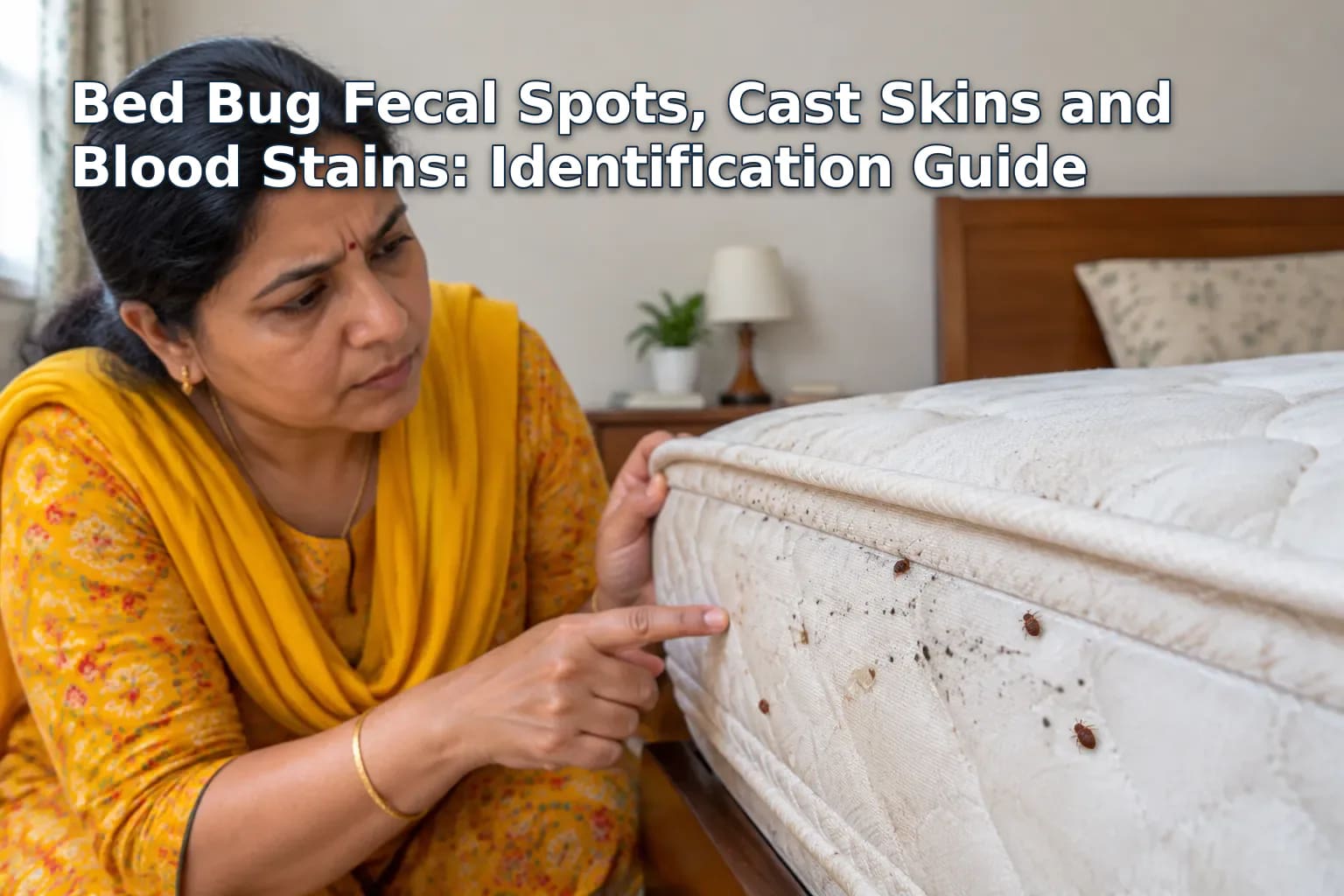
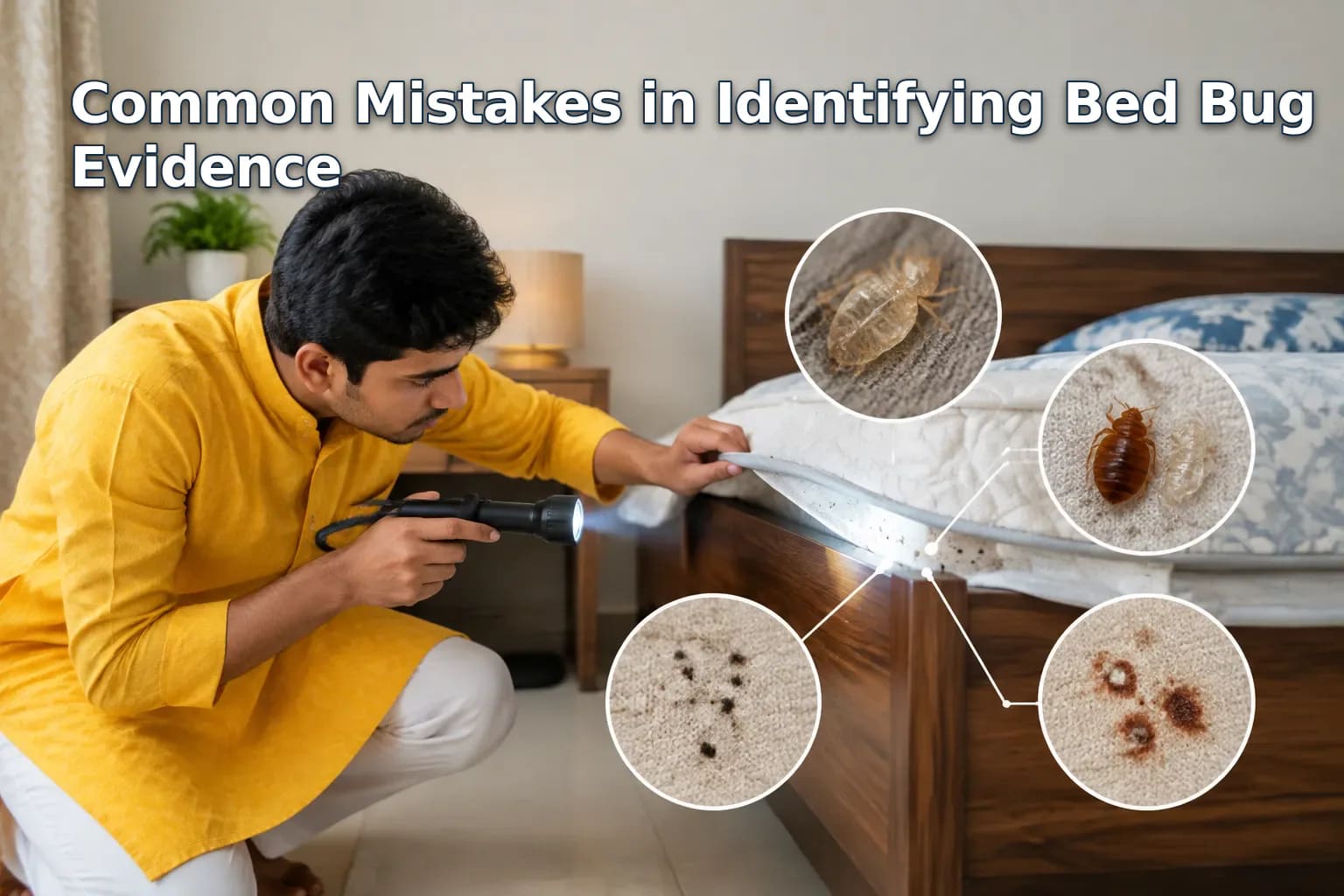
- Bed Bug Fecal Spots: Look for small, dark spots resembling ink dots on sheets, mattresses, or walls.
- Cast Skins: These are translucent exoskeletons left behind after molting, often found near hiding places such as bed seams or baseboards.
- Blood Stains: Check your bedding for tiny, rusty spots, which may indicate crushed bugs.
- Live Bed Bugs: Typically found between How to Dispose of a Mattress with Bed Bugs Safely seams, in furniture joints, and under loose wallpaper.
- Unexplained Bitten Areas on Skin: While these alone don't confirm bed bugs, they support other evidence if present in clusters or lines.
Identifying these signs early can prevent a more significant infestation and guide effective treatment steps.
Understanding Bed Bug Fecal Spots
Fecal spots are one of the most telltale signs of a bed bug infestation. These spots occur when bed bugs digest their blood meals and excrete waste. Typically, fecal spots are small, around 1 to 2 mm in size, and appear as dark brown or black stains that can soak into fabric like a felt-tip marker. You will often find these spots on sheets, pillowcases, and mattresses, but they're not restricted to these surfaces.
Inspect crevices and hidden areas such as behind headboards, around the edges of carpets, and in the seams of couches. The presence of fecal spots supports other evidence of bed bugs, but remember that these markings alone do not confirm an infestation without additional physical evidence such as cast skins or live bugs. Always consider the entire context of signs you observe within your home.
Recognizing Cast Skins of Bed Bugs
As bed bugs grow, they shed their exoskeletons, leaving behind what are known as cast skins. These exuviae are a clear indicator of an existing infestation, indicating that bed bugs have been actively feeding and growing in your environment. Cast skins appear pale yellow and are about the same size as the bed bugs themselves, roughly 2 to 5 mm long, depending on their stage of development.
Search along seams of the mattress, within folds of curtains, behind picture frames, and in tight cracks. While finding cast skins does show ongoing activity, it must be coupled with live bugs or other signs for a concrete confirmation of infestation. Merely observing cast skins could also mean an infestation occurred previously, without indicating the current presence unless paired with fresh fecal spots or live sightings.
Spotting Blood Stains from Bed Bugs
Discovering blood stains on your bedding can be alarming. These small, rust-colored spots arise when bed bugs are inadvertently crushed after feeding, usually while you sleep. Blood stains can also result from minor bleeding after a bed bug Identifying Bed Bug Bites vs Mosquito Bites: A Homeowner's Guide. (see CDC bed bug information)
It is essential to differentiate these stains from other household stains. Bed bug-related blood spots tend to appear in small streaks or smears, often found on the sheets and pillowcases. Regular inspection, especially if other signs accompany these stains, is crucial for ensuring accurate identification. Like fecal spots and cast skins, blood stains alone are insufficient to confirm an infestation but provide a noteworthy clue when seen in conjunction with other evidence.
Common Mistakes in Identifying Bed Bug Evidence
Identifying a bed bug infestation can be fraught with errors, leading to misidentification and inadequate treatments. Many people mistakenly attribute bite marks solely to bed bugs, despite them being similar to those from mosquitoes or allergic reactions. Reliance solely on unscientific home remedies, such as using baking soda or neem oil, can delay effective treatment.
Misplacement or misunderstanding of evidence is another common issue. For instance, confusing other insects' feces or skin sheddings with bed bugs' signs can lead to incorrect conclusions. It's important to assess all signs collectively and critically. Additionally, assuming Bed Bug Bites vs Scabies vs Flea Bites: Identification & Treatment Guide, dust mite, or even cockroach droppings are from bed bugs without confirming can complicate eradication efforts. Consulting a professional ensures accurate assessment and targeted treatment, effectively managing pest issues.
Next Steps After Identifying Bed Bug Signs
Once you've identified signs of bed bugs, timing and action become crucial. Begin by cleaning your bedding, linens, curtains, and clothes in hot water, then dry them on the highest heat setting to kill all life stages present on fabrics. Vacuum your bed and surrounding areas thoroughly; dispose of the vacuum contents in a sealed bag to prevent escape.
Consider a professional pest control service to assess and treat your property, especially for hidden bugs and eggs that regular cleaning can't eliminate. Be aware that multiple treatments may be necessary, as bed bug eggs can hatch after initial interventions. Monitoring the situation is crucial; set up interceptor traps under bed legs to gauge if bugs persist post-treatment.
Professional pest management can be tailored to your home’s needs, giving you peace of mind and a bed bug-free environment. This approach often proves more efficient and effective in the long term.
When to Call a Professional
While some homeowners might attempt to control bed bug infestations themselves, certain situations necessitate professional expertise. Persistent or widespread infestations, particularly in multi-unit residences or when signs reappear despite cleaning efforts, require professional inspection and potentially integrated pest management strategies.
Professional help is advised if you're unsure about correctly identifying evidence or if DIY treatments have been ineffective. Sustained lethal odorless treatment requires controlled exposure—typically 48°C to 50°C (118°F to 122°F) maintained for a specified duration to penetrate mattresses and structural harborages. They can also follow up with multi-visit plans to ensure no bed bugs remain or re-infest your home, providing effective long-term solutions.
Frequently Asked Questions
How do I confirm it's definitely bed bugs?
Confirmation requires identifying multiple signs. While bite marks might suggest bed bugs, they need to be combined with physical evidence such as live bugs, fecal spots, or cast skins for certainty. Consulting a professional can provide further assurance and an appropriate response.
Can bed bugs spread disease?
Bed bugs are not known to transmit infectious diseases to humans. However, their bites can cause itching, and excessive scratching could lead to secondary bacterial infections. Proper treatment and hygiene can minimize these risks.
Are professional bed bug treatments safe?
Yes, when conducted by certified pest control professionals, these treatments are safe. They use methods like controlled heat treatments and monitored chemical applications that comply with health and safety regulations.
Is it possible to manage an infestation on my own?
While limited success can be achieved with thorough cleaning and monitoring, comprehensive management often requires professional intervention for severe cases. Bed bugs are highly resistant and can quickly rebound without targeted treatments.
What preventative measures can I take post-treatment?
To prevent re-infestation, regularly wash bedding in hot water, vacuum frequently, and be cautious with second-hand furniture. Using bed bug-proof encasements on mattresses and box springs can also help prevent new infestations.
For more information on professional pest control services, visit BedBugsTreatment.co.in.
Related Guides
- Mattress With Bed Bugs? How to Spot, Treat, and Save It
- How to Dispose of a Mattress with Bed Bugs Safely
- Identifying Bed Bug Bites vs Mosquito Bites: A Homeowner's Guide
- Bed Bug Bites vs Scabies vs Flea Bites: Identification & Treatment Guide
- BedBugsTreatment.co.in
References & Verified Sources
- Bed Bugs: Biology and Behavior (US Environmental Protection Agency (EPA)) — Supports: Bed bugs cannot fly or jump; they move strictly by crawling and hitchhiking on clothing, luggage, and used furniture.
- Bed Bugs FAQs: Signs and Symptoms (Centers for Disease Control and Prevention (CDC)) — Supports: Bite marks alone cannot confirm a bed bug infestation because bites closely resemble reactions from mosquitoes, fleas, or allergies; physical evidence (live bugs, cast skins, fecal spots, or eggshells) is required for confirmation.
- Health Concerns Related to Bed Bugs (Centers for Disease Control and Prevention (CDC)) — Supports: Bed bugs do not transmit infectious diseases to humans, though scratching bites can lead to secondary bacterial skin infections.
- Non-odorless treatment of Bed Bugs (US Environmental Protection Agency (EPA)) — Supports: Washing infested clothing and bedding in hot water followed by drying at high heat for at least 30 minutes effectively kills all bed bug life stages present on fabrics.
- Integrated Pest Management for Bed Bugs (US Environmental Protection Agency (EPA)) — Supports: Because bed bug eggs can hatch 6 to 10 days after an initial treatment and bed bugs possess natural behavioral resistance, professional eradication typically requires an integrated multi-visit approach with follow-up monitoring.
- Thermal Death Point for Bed Bugs (Purdue University Department of Entomology) — Supports: Sustained lethal odorless treatment requires controlled temperatures of 48°C to 50°C (118°F to 122°F) maintained for a specific exposure duration to ensure complete penetration into mattresses, crevices, and voids.
Need Immediate Bed Bug Relief in Your Home?
BedBugsTreatment.co.in offers government-approved chemicals, same-day inspection visits, and a 12-month service warranty across India.