Bed Bug Infestation Responsibilities: Tenants vs Landlords
Dealing with a bed bug infestation in rented flats can be daunting for both tenants and landlords. Understanding who holds responsibility for the infestation's management and resolution is crucial. This guide unpacks the legal and practical obligations of each party, aiming to dispel common misconceptions. From initial detection to professional eradication and preventive strategies, we provide clear guidelines that empower both tenants and landlords. These insights help ensure timely and effective collaboration in managing bed 7 Bed Bugs Herbal Spray Recipes That Work (and Where They Fall Short), potentially alleviating health risks and legal disputes while maintaining harmonious tenant-landlord relations. (see Harvard – Urban Pest Management)
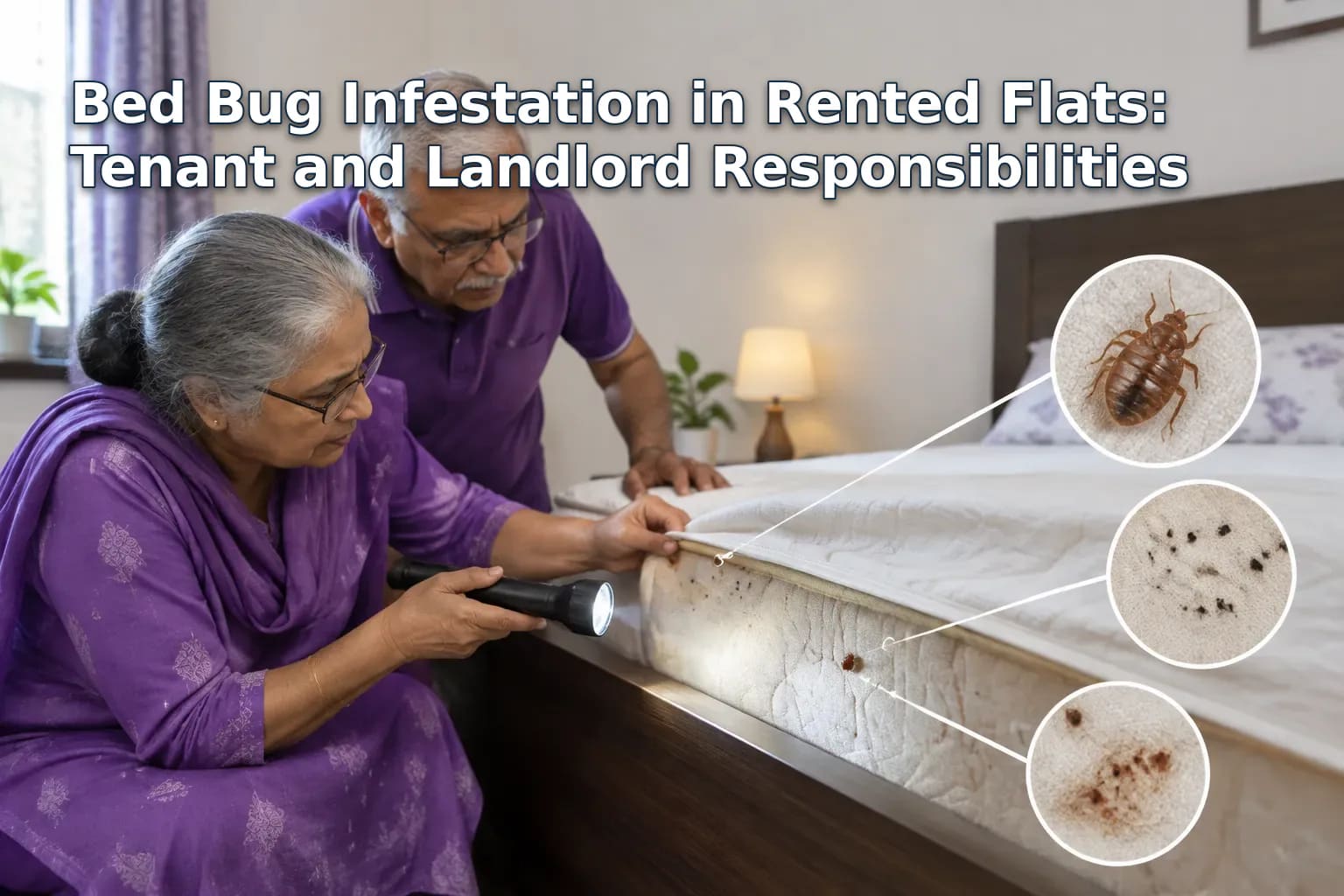
Understanding Bed Bug Infestations
Bed bugs are notorious for their resilience and ability to hide in small crevices, especially in urban settings like Pune, Mumbai, and Bangalore. These pests do not fly or jump; they move by crawling or hitchhiking on clothing, luggage, and used furniture. Common signs of a bed bug Recognizing Bed Bug Infestation Signs: Fecal Spots, Cast Skins, and More include blood stains on sheets, tiny eggshells, dark fecal spots on bedding, and the presence of live bugs around bed joints and floorboards. Importantly, bite marks alone cannot confirm their presence as they can mimic those from other insects or allergies. Instead, it is crucial to find physical evidence like live bed bugs, cast skins, or eggshells for a confirmed diagnosis.
How Do Bed Bugs Spread?
Bed bugs spread primarily through human activity. They hitch rides on luggage, clothing, and second-hand furniture. This makes them particularly prevalent in places with high turnover, such as hotels, hostels, and apartment complexes. Once inside a home, they can quickly spread from room to room, especially in multi-unit buildings where they can travel through wall voids and electrical outlets. Understanding these pathways is essential for both prevention and treatment.
Immediate Steps for Tenants Upon Discovery
Upon suspecting bed bug activity, tenants should immediately minimize the spread by carefully isolating personal belongings and avoiding moving items that could transfer 7 Best Bed Bug Killing Sprays That Kill Bugs and Eggs. Washing all bedding and clothing in hot water, followed by drying them on high heat, is effective in killing all life stages of bed bugs present on fabrics. It's crucial to communicate the issue to the landlord right away, documenting all findings with photographs and potential evidence locations, such as mattresses or furniture, to facilitate prompt inspection and resolution.
How to Document an Infestation
Effective documentation is key in managing a bed bug infestation. Tenants should take clear photographs of any signs of bed bugs, such as live insects, eggs, or fecal spots. Keeping a log of when and where these signs were found can help in tracking the infestation's progression and in discussions with landlords or pest control professionals. This documentation can also be crucial if legal action becomes necessary.
Landlord Responsibilities and Legal Obligations
In India, landlords have a legal duty to provide a habitable living environment. When notified of a bed bug infestation, landlords should promptly arrange for a professional inspection to assess the severity of the problem. Providing bed bug treatment services is often considered part of maintaining suitable living conditions; however, specific responsibilities could vary depending on local regulations and the terms stipulated in the lease agreement. For instance, in some agreements, landlords might be explicitly required to address pest issues, while others may push some of this responsibility onto tenants. Therefore, understanding the lease terms is key.
What Should Landlords Do Upon Notification?
Upon receiving notification of a bed bug infestation, landlords should act swiftly. This includes arranging for a professional pest inspection and treatment if necessary. Landlords should also communicate clearly with tenants about the steps being taken and any actions required from the tenants, such as preparing the apartment for treatment. Keeping tenants informed helps build trust and ensures cooperation.
Collaborative Solutions: Tenant and Landlord Coordination
Successfully managing a bed bug infestation typically requires close cooperation between tenants and landlords. Communication is vital; each should clearly articulate the issue and any agreed responsibilities. Tenants may need to grant access for pest control inspections and treatments, while landlords should keep tenants informed about planned actions. It's advisable to maintain records of all communications and pest control measures undertaken to ensure transparency and accountability throughout the process. Collaboration not only hastens resolution but can also mitigate any potential stress or conflict that arises from the infestation.
How to Foster Effective Communication
Effective communication between tenants and landlords is crucial in managing bed bug infestations. Both parties should agree on preferred communication methods, whether by email, phone, or in-person meetings. Regular updates on the status of the infestation and treatment plans can prevent misunderstandings and ensure that both parties are aligned in their efforts to resolve the issue.
Professional Treatment Options
Effective eradication of bed bugs often necessitates professional pest control. Methods such as steam treatment can be effective, delivering intense surface heat that kills bed bugs on contact. However, steam alone might not reach bed bugs in deep crevices without specialized equipment. Professional services can also apply controlled heat treatment across entire spaces, ensuring comprehensive pest elimination. Most professional pest control solutions require multiple visits to eradicate bed bugs effectively, especially since eggs can hatch days after the initial treatment.
What to Expect from Professional Pest Control
When hiring a professional pest control service, tenants and landlords should expect a thorough inspection followed by a detailed treatment plan. This plan may include multiple visits to ensure all bed The 5 Strongest Bed Bug Sprays That Actually Kill Eggs Too and their eggs are eliminated. Professionals may use a combination of heat treatments, chemical sprays, and vacuuming to address the infestation. Tenants may need to prepare their living space by decluttering and ensuring access to all areas that require treatment.

Preventive Measures for Tenants and Landlords
Prevention plays a critical role in controlling bed bug infestations. Both parties should routinely inspect high-risk areas like mattresses and furniture seams. Tenants should avoid bringing second-hand furniture into the home without inspecting it thoroughly. Landlords can help by installing bed bug-proof mattress covers and sealing potential entry points. Additionally, educating tenants about identifying bed bugs and reporting infestations early can prevent small problems from escalating. Practicing good cleanliness and reducing clutter make it less likely for bed bugs to find a place to hide and thrive.
Tips for Preventing Future Infestations
Preventing future infestations requires vigilance and proactive measures. Tenants should regularly vacuum their homes, paying special attention to cracks and crevices where bed bugs might hide. Landlords can conduct regular inspections and provide educational materials to tenants about bed bug prevention. Encouraging tenants to report any signs of bed bugs immediately can help catch infestations early, making them easier to manage.
Legal Recourse for Unresolved Infestations
If landlords fail to address a bed bug infestation adequately, tenants have several potential legal avenues. Initially, they should notify the landlord in writing of the problem and any health and habitability concerns it presents. If unresolved, tenants may need to consult local tenant rights organizations or pursue legal action to enforce repairs or terminate the lease. In severe cases, reporting the issue to a local health department can initiate further action. Understanding the specific tenant protection laws in cities like Pune, Mumbai, and Bangalore can provide clarity and guidance during these disputes.
When to Seek Legal Advice
Tenants should consider seeking legal advice if a landlord fails to address a bed bug infestation after being notified. Legal professionals can provide guidance on tenant rights and the best course of action. In some cases, tenants may be entitled to withhold rent or terminate their lease if the infestation is not resolved. However, these actions should only be taken with legal counsel to avoid potential repercussions.
Checklist for Coordinated Response
An organized approach to managing bed bugs ensures effective resolution and maintains good relations:
- Immediate Notification: Tenants should promptly report bed bug signs to landlords, detailing observations.
- Entry Setup: Both parties should agree on all scheduled inspections and treatments.
- Documentation: Maintain detailed records of communication and actions taken for accountability.
- Professional Consultation: Engage a pest control service for a thorough inspection and treatment plan.
- Educate and Cooperate: Share preventive tips with tenants, fostering awareness and proactivity.
- Evaluate Progress: Monitor the situation post-treatment, scheduling follow-up visits if necessary.
This checklist streamlines efforts, prevents misunderstandings, and promotes swift infestation control.
Frequently Asked Questions
What steps should tenants take if they find bed bugs?
Tenants should isolate infested items, wash fabrics in hot water, and dry them on high heat. Document any findings with photographs and notify the landlord immediately to arrange for pest control inspection.
How can landlords prevent bed bug infestations?
Landlords can prevent infestations by sealing entry points, using mattress covers, and regularly inspecting properties. Educating new tenants on prevention can also help reduce infestation risks.
What legal recourse do tenants have if landlords do not address bed bug issues?
Tenants can notify landlords in writing and document all communications. If the issue remains unresolved, consulting local tenant rights organizations or initiating legal action may be necessary.
Are there specific regulations for handling bed bugs in multi-unit buildings?
While regulations can vary, landlords are typically required to ensure habitability, which includes managing pest infestations. It's essential to refer to local regulations specific to the city or region.
What are best practices for preventing bed bug spread in shared accommodations?
Regular inspections, maintaining cleanliness, reducing clutter, and promptly addressing any signs of bed bugs can prevent spread in shared accommodations. Awareness and cooperation between residents are also crucial.
How can tenants prepare their homes for professional pest control treatments?
Tenants should declutter their homes, wash and bag all clothing and linens, and ensure easy access to all areas that require treatment. Following the pest control professional's instructions is vital for effective treatment.
Related Guides
- 7 Bed Bugs Herbal Spray Recipes That Work (and Where They Fall Short)
- Recognizing Bed Bug Infestation Signs: Fecal Spots, Cast Skins, and More
- 7 Best Bed Bug Killing Sprays That Kill Bugs and Eggs
- bed bug treatment services
- The 5 Strongest Bed Bug Sprays That Actually Kill Eggs Too
References & Verified Sources
- Bed Bugs: Biology and Behavior (US Environmental Protection Agency (EPA)) — Supports: Bed bugs cannot fly or jump; they move strictly by crawling and hitchhiking on clothing, luggage, and used furniture.
- Bed Bugs FAQs: Signs and Symptoms (Centers for Disease Control and Prevention (CDC)) — Supports: Bite marks alone cannot confirm a bed bug infestation because bites closely resemble reactions from mosquitoes, fleas, or allergies; physical evidence (live bugs, cast skins, fecal spots, or eggshells) is required for confirmation.
- Non-odorless treatment of Bed Bugs (US Environmental Protection Agency (EPA)) — Supports: Washing infested clothing and bedding in hot water followed by drying at high heat for at least 30 minutes effectively kills all bed bug life stages present on fabrics.
- Using Steam for Bed Bug Control (Virginia Tech Entomology Extension) — Supports: Steam treatments deliver intense surface heat that kills bugs and eggs upon direct contact, but steam cannot penetrate deep inside structural wall voids or dense furniture without specialized professional equipment.
- Integrated Pest Management for Bed Bugs (US Environmental Protection Agency (EPA)) — Supports: Because bed bug eggs can hatch 6 to 10 days after an initial treatment and bed bugs possess natural behavioral resistance, professional eradication typically requires an integrated multi-visit approach with follow-up monitoring.
Need Immediate Bed Bug Relief in Your Home?
BedBugsTreatment.co.in offers government-approved chemicals, same-day inspection visits, and a 12-month service warranty across India.