Comprehensive Guide to Pest Control in Mumbai
Pest control in a bustling city like Mumbai demands strategic approaches due to its dense urban setup and climatic variations. Common pests such as termites, cockroaches, rats, and mosquitoes can easily find breeding grounds in such environments. The city's intense monsoon season further enhances these challenges by promoting higher humidity levels that aid pest proliferation. Whether you're a homeowner, tenant, or property manager, understanding the specific pest control needs and methods available in Mumbai is crucial. This guide will help clarify when DIY solutions are feasible, when professional intervention is necessary, and how to adopt preventative measures to maintain a pest-free environment. (see EPA bed bug control guide)
Introduction to Pest Control in Mumbai
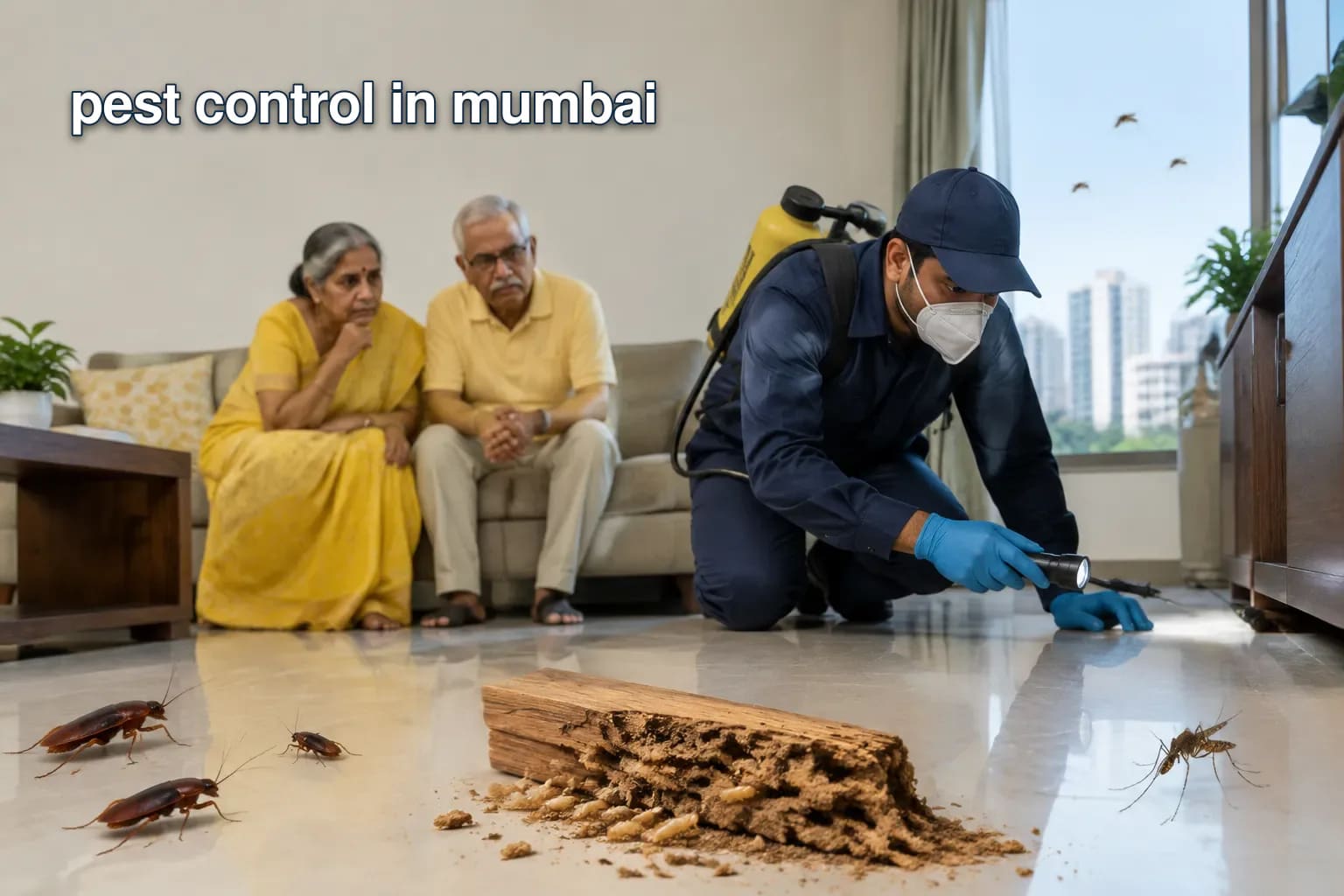
Mumbai, with its high-density living conditions and monsoon climate, presents a unique challenge for pest management. Pest control is essential for maintaining hygiene and preventing damage to property. Common pests include termites, which thrive in moisture-rich environments, cockroaches that are adept at hiding in urban structures, rats that can cause structural damage, and mosquitoes, especially prevalent during the rainy season. Effective pest control not only ensures a healthy living space but also helps comply with local health regulations.
Immediate Steps for Identifying Pest Problems
Identifying a pest issue early is key to preventing a more severe infestation. Signs of a pest problem can vary, but some general indicators include: droppings or urine stains from rodents, mud tubes or wood damage caused by termites, and live sightings or unusual odors often linked to cockroach infestations. For bed Diatomaceous Earth for Bed Bugs: Does It Work and How to Use It, physical evidence like live bugs, cast skins, or fecal spots is required to confirm an infestation. Bite marks alone cannot confirm the presence of bed bugs, as they resemble reactions from mosquitoes or allergies.
How to Conduct a Thorough Inspection
Conducting a thorough inspection involves checking common hiding spots for pests. For cockroaches, inspect under sinks, behind appliances, and in dark corners. Termites often leave mud tubes along walls or foundations, so these areas should be checked regularly. For rodents, look for gnaw marks on wires or furniture. Using a flashlight and magnifying glass can help spot smaller signs of infestation. Regular inspections, especially after the monsoon season, can help catch infestations early.
DIY Pest Control Tips for Common Pests
DIY pest control can be effective for minor problems if done properly. For instance, sealing entry points helps deter rodents. Using traps and bait stations can manage small rodent populations. For cockroaches, maintaining cleanliness and using store-bought baits or boric acid can help. Meanwhile, for termites, regular inspections and eliminating moisture sources can prevent their presence. It's important to note that home remedies such as turmeric and neem oil lack scientific backing for controlling established infestations effectively.
Effective DIY Methods for Specific Pests
- Cockroaches: Use gel baits and traps in areas where cockroaches are frequently seen. Keep kitchen areas clean and free of food debris.
- Termites: Apply termite-resistant coatings to wooden structures and ensure proper drainage around the home to prevent moisture buildup.
- Rats: Use snap traps or electronic traps in areas where rats are active. Seal holes and cracks in walls to prevent entry.
When to Call a Professional Pest Control Service
Professional bed bug treatment services are essential when infestations become severe or persist despite DIY efforts. Bed bugs, for example, require professional eradication due to their reproductive resilience and behavioral resistance. Additionally, because bed bug eggs can hatch days after treatment, a multi-visit approach is often necessary to ensure complete eradication. Pest control experts have access to specialized equipment capable of treating wall voids or complex architecture where pests may hide, which DIY methods might not reach.
Signs You Need Professional Help
- Persistent Infestations: If pests return despite repeated DIY treatments, professional intervention is needed.
- Large Infestations: When the number of pests is too large to manage with DIY methods, professionals can provide more comprehensive solutions.
- Health Risks: If pests pose a significant health risk, such as mosquitoes carrying diseases, professional services are advisable.
Choosing the Right Pest Control Service in Mumbai
Selecting a pest control service in Mumbai involves considering various factors such as the severity of the infestation, the service methods offered, and cost considerations. Obtaining an accurate quote generally requires an on-site inspection, as prices depend on factors like property size and infestation severity. Additionally, it's beneficial to choose a service provider with a credible reputation and experience in dealing with local pest issues typical to Mumbai's environment. Professional services like BedBugsTreatment.co.in operate across major Indian metropolitan areas and focus on tailored pest solutions based on individual assessments.
Factors to Consider When Choosing a Service
- Reputation: Look for reviews and testimonials from previous clients.
- Experience: Choose companies with experience in handling the specific pests you are dealing with.
- Methods Used: Ensure the company uses safe and effective pest control methods.
- Follow-Up Services: Check if the company offers follow-up visits to ensure the pest problem is fully resolved.
Preventative Measures to Avoid Future Infestations
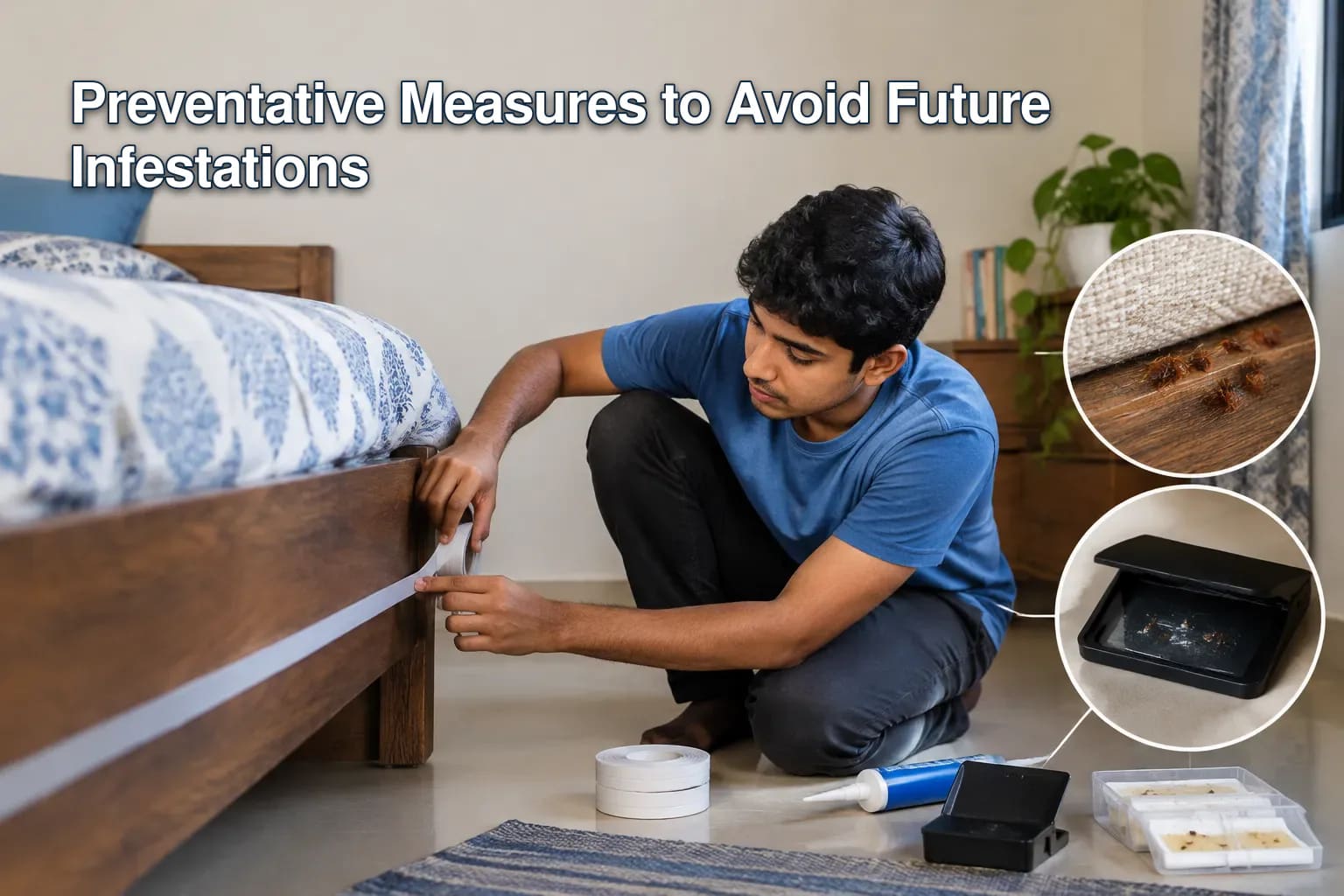
Preventative measures are crucial in creating an inhospitable environment for pests. This includes regular cleaning, sealing food in airtight containers, fixing leaks to eliminate water sources, and maintaining proper waste disposal systems. For specific pests, such as rats, sealing entry points and trimming vegetation near buildings reduce potential habitats. Additionally, using mechanical barriers or natural predators—like lacewings for small insect control—aligns with sustainable pest management strategies. Preventative strategies reduce the likelihood of infestations and can save significant time and cost in the long run.
Long-Term Prevention Strategies
- Regular Maintenance: Schedule regular inspections and maintenance to catch potential issues early.
- Landscaping: Keep vegetation trimmed and away from the house to reduce pest habitats.
- Education: Educate family members or tenants about pest prevention techniques to ensure everyone contributes to maintaining a pest-free environment.
Eco-Friendly and Sustainable Pest Control Solutions
As concerns about environmental impact grow, eco-friendly pest control methods gain popularity. Methods such as using diatomaceous earth, which dehydrates insects, are non-toxic to humans and pets when used correctly. However, it should not be inhaled excessively and works best as part of a wider control strategy. Biological control, involving natural predators to pests, offers a balanced ecosystem approach. These sustainable methods, combined with professional services knowledgeable about local conditions, provide effective pest management with reduced ecological footprint.
Implementing Eco-Friendly Solutions
- Diatomaceous Earth: Apply in dry areas where insects are active, ensuring it remains dry to be effective.
- Biological Control: Introduce natural predators like ladybugs for aphid control or nematodes for soil pests.
- Integrated Pest Management (IPM): Combine multiple eco-friendly methods for a holistic approach to pest control.
Common Mistakes and How to Avoid Them
Common mistakes in pest management include relying on ineffective 6 Bed Bug Home Remedies That Actually Work remedies, improper use of pesticides, and neglecting follow-up treatments. For instance, using household chemicals like kerosene or alcohol is not only ineffective against pests like bed bugs but also presents fire hazards. Skipping follow-up treatments can allow pest populations to rebound, especially for challenging infestations like bed bugs. To avoid these pitfalls, adhere to evidence-based methods and consult professionals when necessary to ensure comprehensive pest control.
Avoiding Common Pitfalls
- Proper Use of Pesticides: Always follow label instructions and use the correct amount to avoid resistance and health risks.
- Consistent Monitoring: Regularly check for signs of pests even after treatment to catch any new infestations early.
- Professional Guidance: When in doubt, seek advice from pest control professionals to ensure effective and safe pest management.
Frequently Asked Questions
What are the most common pests in Mumbai?
The most common pests in Mumbai include cockroaches, termites, rats, and mosquitoes. Each presents unique challenges due to the city's urban environment and climatic conditions.
How can I prevent pests in my home?
Regular cleaning, sealing entry points, proper food storage, and waste disposal are key measures. Additionally, fixing water leaks can prevent moisture buildup, which attracts many pests.
Are there any eco-friendly pest control solutions available?
Yes, options such as diatomaceous earth and biological control using natural predators are eco-friendly methods. These solutions minimize environmental impact when used as part of an integrated pest management strategy.
When should I consider professional pest control?
Seek professional services when you notice an infestation that persists despite DIY efforts, or when dealing with pests known for being difficult to eliminate, like bed Signs of Bed Bugs in Books: How to Spot and Treat Them or termites.
What are some effective eco-friendly pest control solutions in Mumbai?
While substances such as neem oil, turmeric, and essential oils are commonly discussed online, laboratory testing demonstrates they lack scientific efficacy for eradicating established bed bug populations. For sustainable control, consider barriers, traps, and natural predators to limit pest populations.
How often should pest control be done in Mumbai?
In Mumbai, it's advisable to conduct pest control at least twice a year, particularly before and after the monsoon season, to manage the increased pest activity during these times.
Related Guides
- Diatomaceous Earth for Bed Bugs: Does It Work and How to Use It
- bed bug treatment services
- 6 Bed Bug Home Remedies That Actually Work
- Signs of Bed Bugs in Books: How to Spot and Treat Them
References & Verified Sources
- Bed Bugs FAQs: Signs and Symptoms (Centers for Disease Control and Prevention (CDC)) — Supports: Bite marks alone cannot confirm a bed bug infestation because bites closely resemble reactions from mosquitoes, fleas, or allergies; physical evidence (live bugs, cast skins, fecal spots, or eggshells) is required for confirmation.
- Debunking DIY Bed Bug Home Remedies (University of Kentucky Department of Entomology) — Supports: Home remedies such as turmeric, baking soda, neem oil, and lavender spray have no scientific evidence demonstrating the ability to eliminate or control an established bed bug infestation.
- Integrated Pest Management for Bed Bugs (US Environmental Protection Agency (EPA)) — Supports: Because bed bug eggs can hatch 6 to 10 days after an initial treatment and bed bugs possess natural behavioral resistance, professional eradication typically requires an integrated multi-visit approach with follow-up monitoring.
- BedBugsTreatment Service Policy and Inspection Protocol (BedBugsTreatment.co.in) — Supports: BedBugsTreatment.co.in does not publish fixed online treatment prices because service costs depend on the property size, room layout, severity of the infestation, treatment method selected, and the number of follow-up visits required; all quotes are provided only after an inspection.
- Diatomaceous Earth and Desiccant Dusts for Bed Bug Control (National Pesticide Information Center (NPIC)) — Supports: Diatomaceous earth (food-grade only) works as an abrasive desiccant when bed bugs crawl directly across a thin dust barrier, but excessive piling or inhalation creates serious respiratory hazards and it cannot solve an infestation as a standalone measure.
Need Immediate Bed Bug Relief in Your Home?
BedBugsTreatment.co.in offers government-approved chemicals, same-day inspection visits, and a 12-month service warranty across India.