Pest Control in Delhi: Comprehensive Guide for Homeowners
Managing pest infestations in a bustling city like Delhi presents unique challenges. With high-density living conditions and periodic monsoon seasons, pests like cockroaches, termites, mosquitoes, and rodents find ample opportunities to thrive. For homeowners in Delhi, understanding efficient pest control methods, from DIY tactics to professional services, is crucial for maintaining a healthy living environment. This guide provides in-depth insights into pest problems specific to Delhi, practical steps to prevent infestations, and information on when professional help becomes necessary. Arm yourself with knowledge to protect your home from unwanted intruders. (see EPA bed bug control guide)
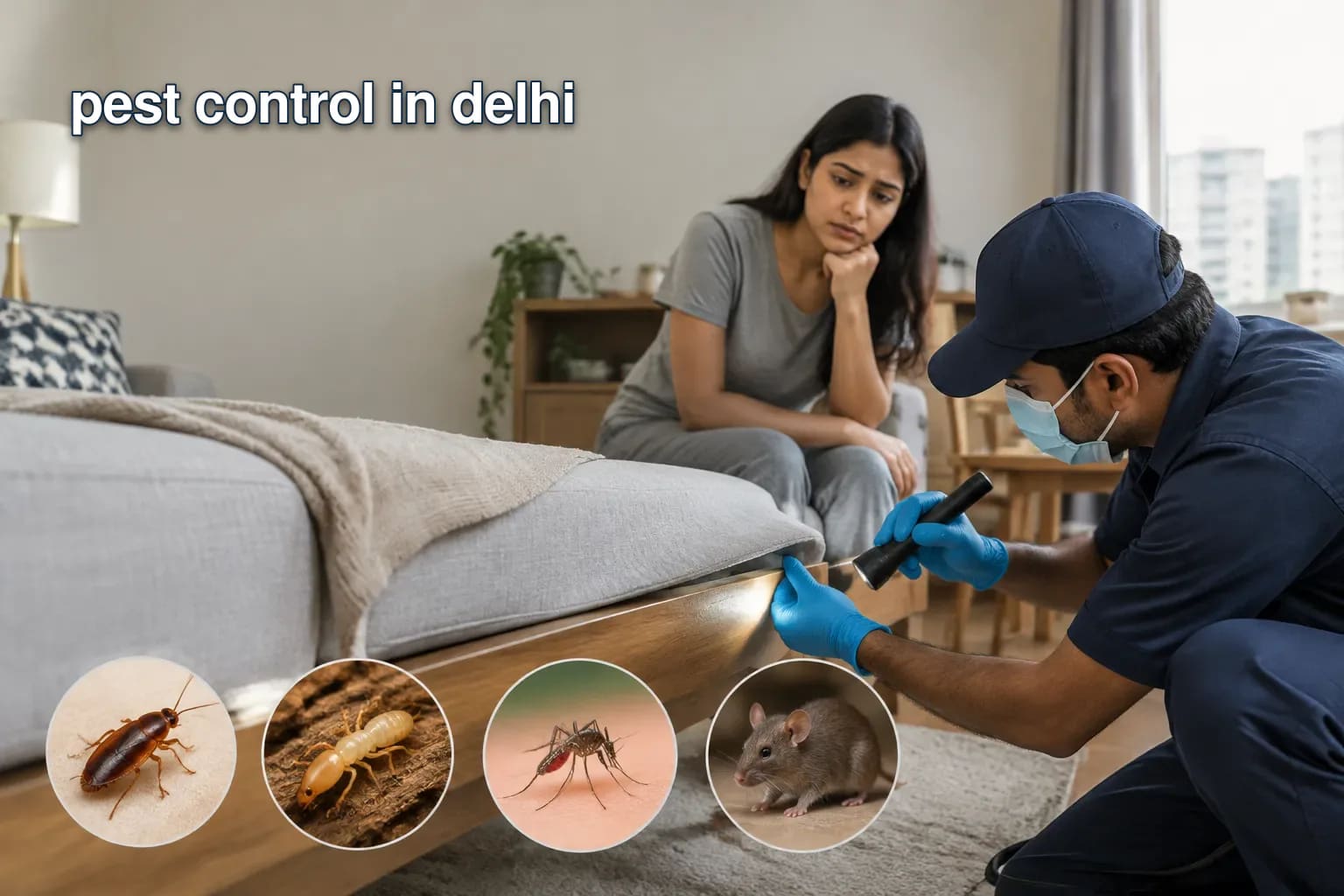
Understanding Pest Control in Delhi
Delhi's climate and urban environment create favorable conditions for a variety of pests. The city's urban sprawl and dense population contribute to the proliferation of pests such as mosquitoes, particularly during the humid monsoon season. High temperatures and pollution can exacerbate pest-related problems, as pests seek shelter and food inside homes. Additionally, shared walls in apartment complexes allow pests to migrate between units, complicating control efforts. It is essential for Delhi residents to use integrated pest management (IPM) strategies, combining preventive measures and informed decision-making, to effectively control these nuisances.
Why is Pest Control Important in Delhi?
Pest control is crucial in Delhi due to the health risks and property damage pests can cause. Mosquitoes, for instance, are vectors for diseases like dengue and malaria, which are prevalent during the monsoon. Termites can cause significant structural damage to homes, leading to costly repairs. Cockroaches and rodents can contaminate food supplies and spread diseases. Effective pest control helps mitigate these risks, ensuring a safer and healthier living environment.
Quick Checklist for Pest Control
To prevent pest infestations, follow this quick checklist tailored for Delhi homes:
- Regularly inspect and maintain your home, focusing on areas like kitchens and bathrooms where food and water are often present.
- Seal house entry points, such as gaps around doors and windows, to prevent pests from entering.
- How to Dispose of a Mattress with Bed Bugs Safely of garbage promptly and keep food in sealed containers to remove food sources.
- Implement moisture control measures, such as repairing leaks and ensuring proper drainage, which can deter pests like mosquitoes and rodents.
- Schedule routine inspections by pest control professionals to catch problems early, especially if you notice persistent pest activity.
Additional Preventive Measures
In addition to the checklist, consider using screens on windows and doors to keep mosquitoes out. Regularly clean gutters to prevent water accumulation, which can serve as breeding grounds for mosquitoes. Use dehumidifiers in damp areas to reduce moisture levels, making your home less attractive to pests.
Common Pests Found in Delhi Homes
Delhi homes frequently encounter pests like cockroaches, termites, mosquitoes, and rodents. Cockroaches thrive in warm, humid conditions and feed on a wide range of organic matter found in kitchens and bathrooms. Termites, on the other hand, may invade wooden structures and furniture, causing significant damage over time. Mosquito outbreaks are common during the monsoon season due to standing water, which serves as breeding grounds. Rodents are drawn to food and shelter within homes, potentially spreading diseases.
Identifying Pest Infestations
Identifying pest infestations early can prevent extensive damage. Look for signs such as droppings, gnaw marks, and nests for rodents. For termites, check for mud tubes on walls or hollow-sounding wood. Cockroaches often leave behind a musty odor and droppings that resemble coffee grounds. Mosquitoes are usually noticeable by their buzzing and bites.
DIY Pest Control Methods
While some DIY pest control methods can temporarily address pest issues, they often fail to eliminate infestations entirely. Simple steps like keeping your 6 Bed Bug Home Remedies That Actually Work clean, sealing entry points, and using traps can help reduce pest populations. However, home remedies such as turmeric, baking soda, neem oil, and lavender have not been scientifically proven to control bed bug infestations. Effective pest management typically requires a combination of preventive measures and professional intervention for severe infestations.
Effective DIY Strategies
For cockroaches, use bait stations and gel baits in areas where they are commonly seen. For mosquitoes, use mosquito nets and repellents, and eliminate standing water. To deter rodents, set traps and seal entry points with steel wool. While these methods can help manage minor infestations, they are not substitutes for professional treatments in severe cases.
When to Consider Professional Pest Control Services
While DIY measures can handle minor pest issues, professional bed bug treatment services become necessary for larger or recurring infestations. Professionals offer integrated pest management approaches that involve thorough inspections and tailored treatments, often requiring multiple visits for effective control. Services like heat treatments are available, which involve maintaining high temperatures that penetrate deep into affected areas to exterminate pests. Delhi residents can choose professional services that cater specifically to the challenges unique to the urban environment.
Choosing the Right Pest Control Service
When selecting a pest control service, consider their experience with Delhi-specific pests and their approach to integrated pest management. Look for companies that offer a comprehensive inspection and provide a detailed treatment plan. Ensure they follow safety protocols and have positive customer reviews.
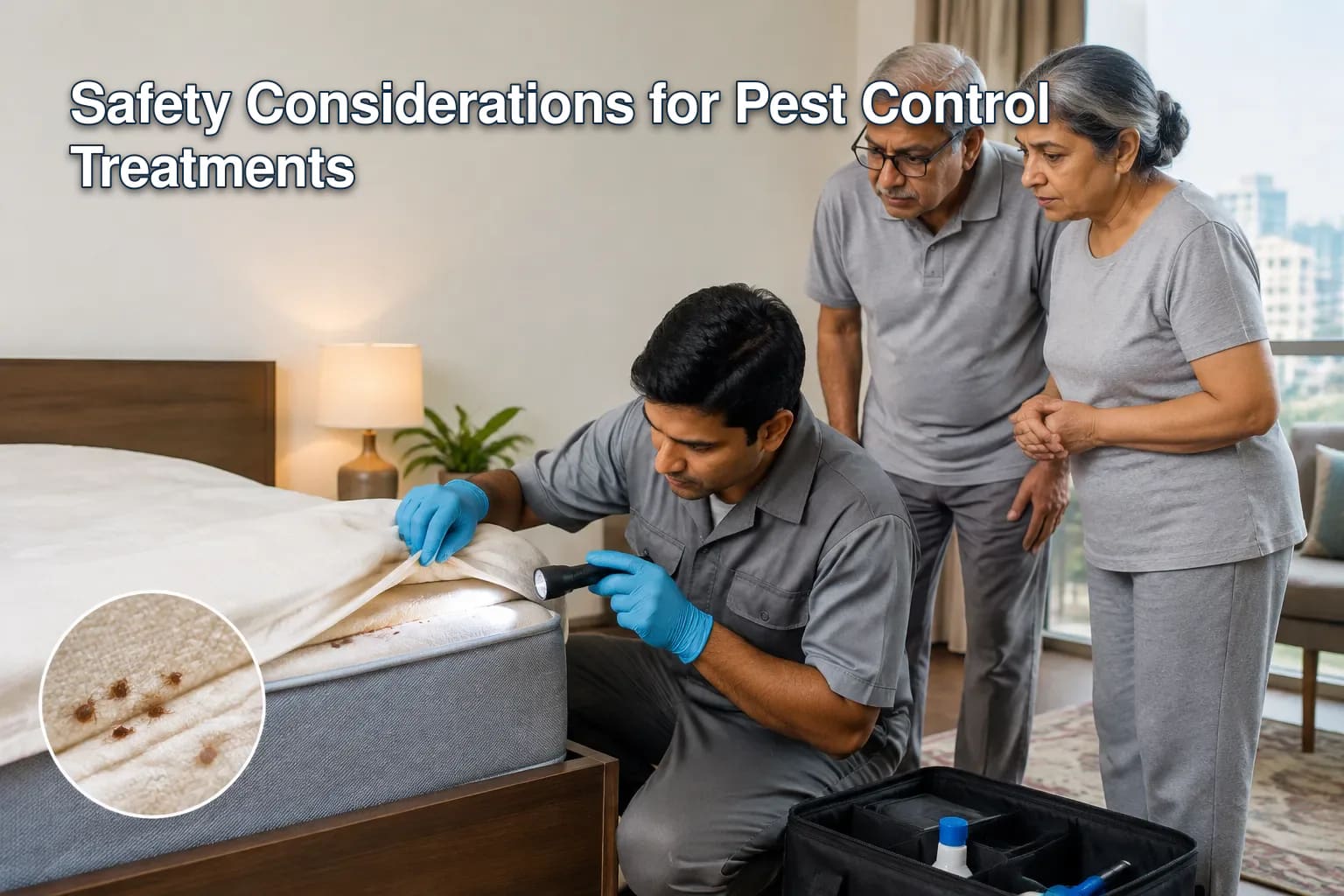
Safety Considerations for Pest Control Treatments
Safety is a major concern when handling pest control treatments. Ensure living areas are ventilated during and after treatments, and keep children and pets away until it's safe to return. Avoid applying hazardous household chemicals like kerosene or rubbing alcohol on furnishings, as they are flammable and ineffective against hidden pests. Professional treatments often have safety protocols in place, minimizing risks associated with exposure to chemicals.
Post-Treatment Safety Tips
After a professional treatment, follow any specific instructions provided by the pest control company. This may include airing out the home, avoiding certain areas, or cleaning surfaces. Always store pesticides and chemicals out of reach of children and pets.
Common Mistakes in Pest Control and How to Avoid Them
One common mistake in pest control is relying solely on visible signs, such as bite marks, to confirm an infestation. Multiple pests can cause similar skin reactions, making physical evidence vital. Another error is using improper treatments, like excessive Diatomaceous Earth for Bed Bugs: Does It Work and How to Use It earth application, which can pose respiratory risks and isn't effective alone. To avoid these mistakes, use a combination of visual inspections and professional assistance to correctly identify and treat infestations.
Avoiding DIY Pitfalls
Avoid using too many different DIY methods simultaneously, as this can lead to ineffective results and potential safety hazards. Stick to proven methods and consult professionals when in doubt. Regularly update your knowledge on pest control techniques to ensure you're using the most effective strategies.
Cost and Frequency of Pest Control Services in Delhi
Determining the cost of pest control services in Delhi requires consideration of factors such as property size, severity of infestation, and necessary follow-up visits. Typically, a professional inspection is needed to accurately assess the situation and develop a cost-effective treatment plan. Regular treatments are advised to prevent recurring infestations; however, the frequency will depend on the pest type and environmental conditions specific to your home.
Budgeting for Pest Control
When budgeting for pest control, consider the long-term savings of preventing infestations compared to the potential costs of damage and health risks. Regular maintenance can often be more cost-effective than dealing with severe infestations.
Frequently Asked Questions
What are the signs of a pest infestation in Delhi homes?
Signs of Bed Bugs in Books: How to Spot and Treat Them of a pest infestation include visible insects or rodents, droppings, bite marks on food packaging, and unusual odors. For confirmation, look for physical evidence like eggshells, shed skins, or live bugs.
How often should pest control be done in a home?
Pest control frequency depends on the specific pest and environmental factors. In general, bi-annual inspections and treatments can help maintain a pest-free home, but some situations may require more frequent care.
Are professional pest control services safe for children and pets?
Professional pest control services follow stringent safety protocols to minimize risks. Ensure children and pets are kept away from treated areas until safety guidelines specify that it's safe to return.
Can I use natural remedies for pest control?
Natural remedies may temporarily reduce pest numbers but lack scientific support for completely eliminating infestations. For effective control, it is recommended to combine these with professional treatments when necessary.
What should I consider when choosing a pest control service in Delhi?
Choose a pest control service with experience in handling Delhi-specific pests, offers integrated pest management solutions, and has a clear safety protocol. Always request an inspection before obtaining a service quote.
How can I prepare my home for a pest control treatment?
Before a pest control treatment, clean and declutter your home to allow easy access to treatment areas. Remove food items, cover furniture, and ensure pets and children are away from the treatment zones. Follow any specific preparation instructions provided by the pest control company.
Related Guides
- How to Dispose of a Mattress with Bed Bugs Safely
- 6 Bed Bug Home Remedies That Actually Work
- bed bug treatment services
- Diatomaceous Earth for Bed Bugs: Does It Work and How to Use It
- Signs of Bed Bugs in Books: How to Spot and Treat Them
References & Verified Sources
- Bed Bugs FAQs: Signs and Symptoms (Centers for Disease Control and Prevention (CDC)) — Supports: Bite marks alone cannot confirm a bed bug infestation because bites closely resemble reactions from mosquitoes, fleas, or allergies; physical evidence (live bugs, cast skins, fecal spots, or eggshells) is required for confirmation.
- Thermal Death Point for Bed Bugs (Purdue University Department of Entomology) — Supports: Sustained lethal odorless treatment requires controlled temperatures of 48°C to 50°C (118°F to 122°F) maintained for a specific exposure duration to ensure complete penetration into mattresses, crevices, and voids.
- Debunking DIY Bed Bug Home Remedies (University of Kentucky Department of Entomology) — Supports: Home remedies such as turmeric, baking soda, neem oil, and lavender spray have no scientific evidence demonstrating the ability to eliminate or control an established bed bug infestation.
- Dangerous DIY Pest Control Practices (US Environmental Protection Agency (EPA)) — Supports: Household chemicals like kerosene, camphor, and rubbing alcohol are highly flammable and dangerous to spray on mattresses or furniture, and they fail to reach hidden harborages.
- Integrated Pest Management for Bed Bugs (US Environmental Protection Agency (EPA)) — Supports: Because bed bug eggs can hatch 6 to 10 days after an initial treatment and bed bugs possess natural behavioral resistance, professional eradication typically requires an integrated multi-visit approach with follow-up monitoring.
Need Immediate Bed Bug Relief in Your Home?
BedBugsTreatment.co.in offers government-approved chemicals, same-day inspection visits, and a 12-month service warranty across India.