Managing Bed Bugs in Bangalore: Identification and Treatment Tips
Bed bugs are a growing concern in Bangalore due to the city's dense population and warm climate. Identifying and addressing an infestation quickly is crucial to minimizing discomfort and inconvenience. This guide provides practical advice on spotting these pests and includes regional considerations for treatment. Learn what immediate steps you can take upon discovering bed bugs, when to opt for DIY methods, and how to decide if professional intervention is needed. Understanding local factors affecting bed bug prevalence will help you formulate an effective control strategy and ensure a peaceful, pest-free environment. (see EPA bed bug control guide)
Understanding Bed Bugs in Bangalore
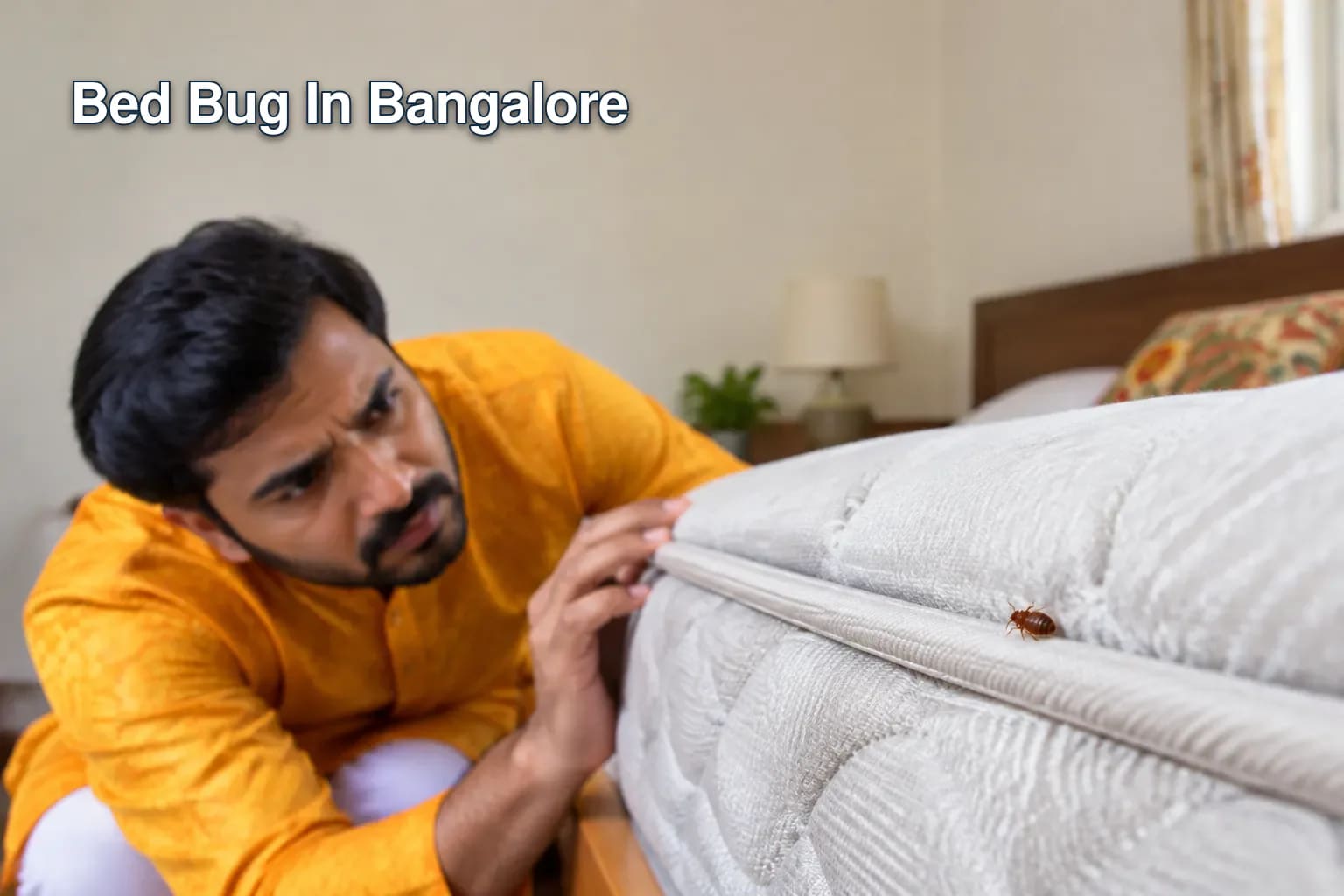
Bangalore's dense population and warm climate create an ideal environment for bed bugs, making vigilance and knowledge key to managing them. Unlike some pests, bed bugs cannot jump or fly—they crawl and hitch rides on clothing or luggage. Consequently, they spread rapidly through shared living spaces like apartments and hostels. Given Bangalore’s urban setting, these pests often migrate along shared conduits between units. This means even well-kept homes can fall victim to infestations simply due to proximity.
Why Are Bed Bugs Prevalent in Bangalore?
The prevalence of bed bugs in Bangalore can be attributed to several factors. The city's booming IT industry attracts a large number of professionals, leading to high-density living conditions. This facilitates the easy spread of bed bugs from one apartment to another. Additionally, the warm climate allows bed bugs to thrive year-round, unlike in colder regions where their activity might be reduced during winter months. This constant activity means that infestations can occur at any time, necessitating year-round vigilance.
How to Identify Bed Bugs
Identifying Bed Bug Bites and Rashes: A Bangalore Perspective bed bugs requires careful inspection as they are elusive nighttime feeders. Look for small reddish-brown insects, about 5-7 mm long, hiding in mattress seams, bed frames, and furniture crevices. Besides visual inspection, check for signs like tiny rust-colored spots of excrement on bedding or mattress tags, shed skins, and a sweet, musty odor. However, remember that simply finding bite marks isn’t definitive; similar reactions can be caused by other insects or allergens. Therefore, finding physical evidence is crucial for confirming an infestation.
Signs of Bed Bug Infestation
Apart from the physical presence of bed bugs, there are other signs to watch for. Bed bug bites often appear in clusters or lines on the skin, typically on areas exposed during sleep. While these bites are not exclusive to bed bugs, their pattern can be indicative. Additionally, you might notice blood stains on your sheets or pillowcases, which occur when bed bugs are crushed during sleep. Regularly inspecting your sleeping area and surrounding furniture can help catch an infestation early.
Immediate Actions for Bed Bug Infestation
Upon discovering bed bugs, act swiftly to prevent spread. Start by thoroughly cleaning and vacuuming affected areas, using a vacuum with a HEPA filter to trap eggs and nymphs. Wash all bedding, linens, and curtains in hot water, and dry on high heat. Seal infested items in plastic bags and use an effective insecticide on cracks and crevices. However, avoid using highly flammable household chemicals like kerosene, which are unsafe and ineffectual at reaching bed bugs hidden in crevices. Employing these steps can significantly reduce the number of bed bugs immediately.
Preparing Your Home for Treatment
Before beginning any treatment, prepare your home to ensure maximum effectiveness. Declutter the affected areas to reduce hiding spots for bed bugs. Move furniture away from walls to expose potential hiding places. Ensure that all clothing and fabric items are laundered and stored in sealed bags to prevent re-infestation. This preparation not only aids in the immediate reduction of bed bugs but also makes professional treatments more effective if they become necessary.
DIY Treatments for Bed Bugs
While some choose to handle infestations themselves, it's crucial to recognize what methods are scientifically supported. Sustained lethal odorless treatment requires controlled exposure—typically 48°C to 50°C (118°F to 122°F) maintained for a specified duration to penetrate mattresses and structural harborages. Another option is Diatomaceous Earth for Bed Bugs: Does It Work and How to Use It earth, which dehydrates bed bugs on contact. However, be careful not to inhale or overuse it as it can pose respiratory risks. Home remedies like baking soda or neem oil lack scientific backing and should not be relied on for controlling bed bugs.
Limitations of DIY Methods
DIY methods can be cost-effective but often come with limitations. Heat treatments require precise temperature control, which can be difficult to achieve without professional equipment. Diatomaceous earth, while effective, needs to be applied correctly and consistently to be successful. Additionally, DIY methods may not reach bed bugs hidden deep within walls or furniture, potentially allowing the infestation to persist. It's important to weigh these limitations against the severity of your infestation when deciding on a treatment approach.
When to Seek Professional Help
Professional pest control becomes essential when DIY methods fail to curb an infestation or when it's extensive. Professional treatments often involve multiple visits to ensure complete eradication, as bed bug eggs can hatch after the initial treatment, necessitating follow-up. The cost will depend on factors like property size and infestation severity, so an on-site inspection is necessary. Services by BedBugsTreatment.co.in operate across Bangalore, providing specialized expertise.
Choosing the Right Pest Control Service
Selecting a reputable bed bug treatment services is crucial for effective treatment. Look for companies that are certified and have experience dealing with bed bugs specifically. Ask about their treatment methods and ensure they follow integrated pest management practices, which focus on long-term prevention and minimal chemical use. Reading reviews and seeking recommendations can also help in making an informed decision.
Common Mistakes to Avoid
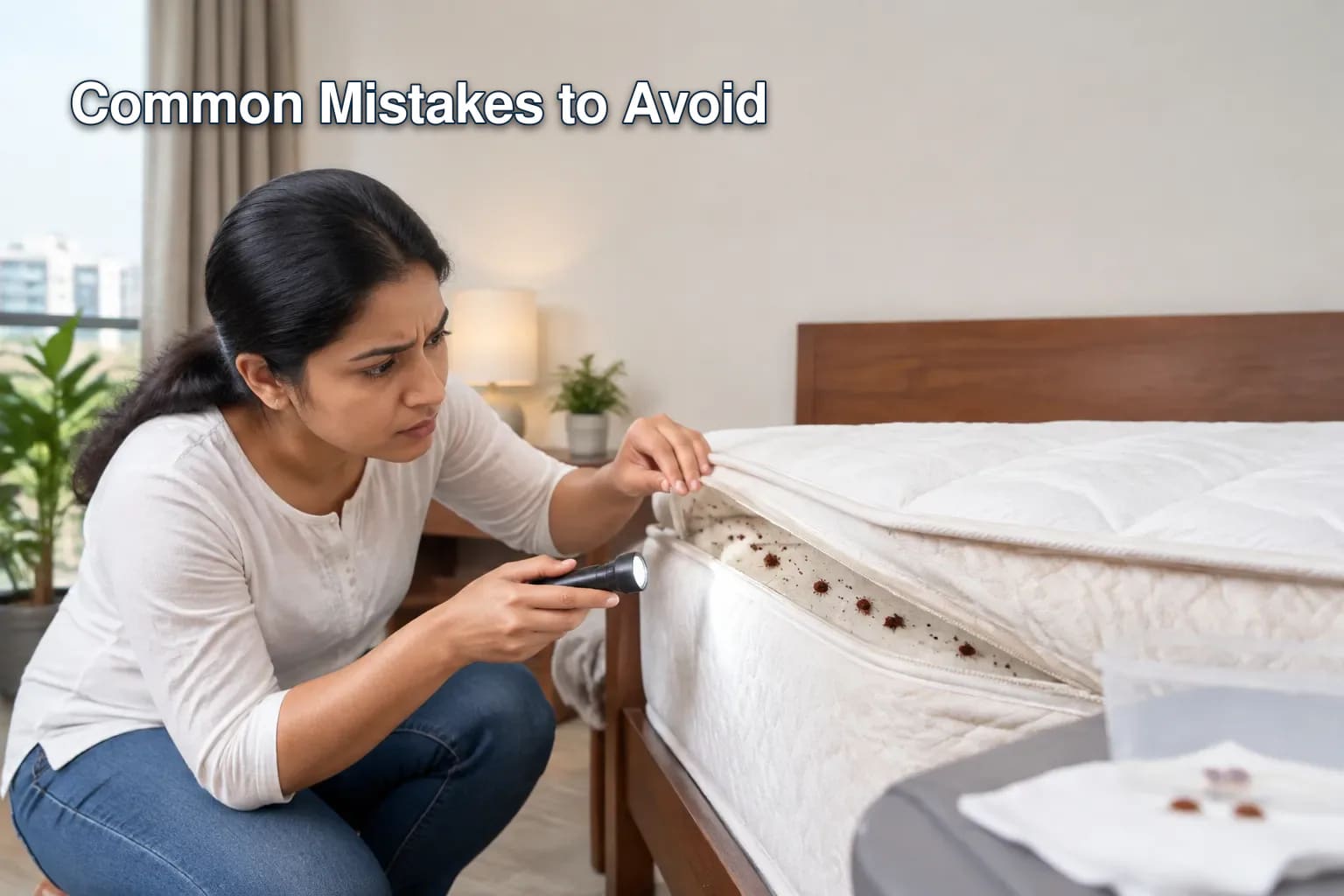
One of the most frequent mistakes is relying solely on sprays or repellents without a multifaceted approach. Pesticides alone may not reach hidden bugs in wall voids or dense furniture, making thorough treatment complicated. Avoid exacerbating issues by attempting unsafe treatments like using flammable chemicals, which pose fire hazards and potential toxicity without success. Another oversight is neglecting professional advice when bed bugs persist, which can lead to prolonged discomfort and costlier interventions later.
Misconceptions About Bed Bug Control
There are several misconceptions about bed bug control that can hinder effective management. One common myth is that bed bugs only infest dirty homes. In reality, bed bugs can thrive in any environment, regardless of cleanliness, as long as they have access to a food source. Another misconception is that bed bugs can be eliminated with a single treatment. Due to their life cycle and ability to hide, multiple treatments are often necessary for complete eradication.
Adapting Bed Bug Management to Bangalore's Climate
Bangalore's mild climate means bed bugs can withstand winter months, maintaining activity year-round. Adaptive management strategies should include consistent monitoring and timely interventions regardless of season. The city's tropical conditions can also hasten life cycles, potentially leading to quicker population booms if not managed. Due to high-density living spaces, infestations can easily spread, necessitating comprehensive control plans specific to Bangalore's environment. Understanding these local dynamics enables more effective strategies to ensure long-term bed bug management and prevention.
Seasonal Considerations for Bed Bug Control
While Bangalore's climate allows for year-round bed bug activity, certain times of the year may see increased movement and spread. For instance, during festival seasons or school holidays, increased travel can lead to a higher risk of bringing bed bugs into the home. Being particularly vigilant during these times, with regular inspections and preventive measures, can help mitigate the risk of infestation.
Regulations and Best Practices in Bangalore
In Bangalore, pest control regulations require certified professionals to handle infestations due to the potential hazards of chemical misapplication. Hiring registered services ensures adherence to health and safety standards, which is crucial for preventing misuse and ensuring effective elimination. Following best practices, such as integrated pest management, can also reduce chemical dependency while enhancing results. This approach combines physical removal, environmental modification, and ongoing monitoring to manage pests sustainably. Residents are encouraged to stay informed about city-specific regulations and available resources to keep bed bug issues manageable.
Importance of Integrated Pest Management
Integrated Pest Management (IPM) is a holistic approach to pest control that emphasizes prevention, monitoring, and control. By combining multiple strategies, such as physical barriers, environmental changes, and targeted chemical use, IPM aims to manage pest populations effectively while minimizing risks to human health and the environment. In Bangalore, adopting IPM practices can lead to more sustainable and long-lasting bed bug control.
Conclusion: Ensuring a Bed Bug-Free Environment
Handling bed bugs in Bangalore requires informed action—from immediate interventions and effective DIY methods to seeking professional help. The city's climate and living conditions necessitate vigilance and adaptability. Recognize the signs of bed bugs early, avoid ineffective treatments, and don’t hesitate to enlist professional services when needed. With proper management, maintaining a bed bug-free environment is achievable. Consider a professional inspection if you experience ongoing issues to ensure a thorough and effective resolution.
Frequently Asked Questions
How common are bed bugs in Bangalore?
Due to Bangalore's dense population and favorable climate, bed bugs are relatively common. They can easily spread through shared conduits in multi-unit buildings.
Can bed bugs transmit diseases?
No, bed bugs do not transmit diseases to humans; however, scratching the bites can lead to secondary bacterial infections.
Why shouldn't I use turmeric or lavender to treat bed bugs?
There is no scientific evidence supporting the effectiveness of turmeric or lavender in eliminating bed bugs, making them unreliable choices.
What makes Bangalore's climate suitable for bed bugs?
Bangalore's warm, mild climate allows bed bugs to remain active year-round, unlike in colder regions where low temperatures hinder activity.
What should I do if DIY methods fail to control bed bugs?
If DIY approaches aren't working, it's wise to consult a professional pest control service for effective, thorough treatment, especially if the infestation is extensive.
How can I prevent bed bugs from returning after treatment?
To Prevent Bed Bugs in Bangalore Homes: Effective Strategies & Tips bed bugs from returning, maintain regular inspections, reduce clutter, and use protective covers on mattresses and pillows. Additionally, be cautious when traveling or bringing second-hand furniture into your home.
Related Guides
- Identifying Bed Bug Bites and Rashes: A Bangalore Perspective
- Diatomaceous Earth for Bed Bugs: Does It Work and How to Use It
- bed bug treatment services
- Prevent Bed Bugs in Bangalore Homes: Effective Strategies & Tips
References & Verified Sources
- Bed Bugs: Biology and Behavior (US Environmental Protection Agency (EPA)) — Supports: Bed bugs cannot fly or jump; they move strictly by crawling and hitchhiking on clothing, luggage, and used furniture.
- Bed Bugs FAQs: Signs and Symptoms (Centers for Disease Control and Prevention (CDC)) — Supports: Bite marks alone cannot confirm a bed bug infestation because bites closely resemble reactions from mosquitoes, fleas, or allergies; physical evidence (live bugs, cast skins, fecal spots, or eggshells) is required for confirmation.
- Health Concerns Related to Bed Bugs (Centers for Disease Control and Prevention (CDC)) — Supports: Bed bugs do not transmit infectious diseases to humans, though scratching bites can lead to secondary bacterial skin infections.
- Thermal Death Point for Bed Bugs (Purdue University Department of Entomology) — Supports: Sustained lethal odorless treatment requires controlled temperatures of 48°C to 50°C (118°F to 122°F) maintained for a specific exposure duration to ensure complete penetration into mattresses, crevices, and voids.
- Non-odorless treatment of Bed Bugs (US Environmental Protection Agency (EPA)) — Supports: Washing infested clothing and bedding in hot water followed by drying at high heat for at least 30 minutes effectively kills all bed bug life stages present on fabrics.
- Debunking DIY Bed Bug Home Remedies (University of Kentucky Department of Entomology) — Supports: Home remedies such as turmeric, baking soda, neem oil, and lavender spray have no scientific evidence demonstrating the ability to eliminate or control an established bed bug infestation.
- Diatomaceous Earth and Desiccant Dusts for Bed Bug Control (National Pesticide Information Center (NPIC)) — Supports: Diatomaceous earth (food-grade only) works as an abrasive desiccant when bed bugs crawl directly across a thin dust barrier, but excessive piling or inhalation creates serious respiratory hazards and it cannot solve an infestation as a standalone measure.
- Dangerous DIY Pest Control Practices (US Environmental Protection Agency (EPA)) — Supports: Household chemicals like kerosene, camphor, and rubbing alcohol are highly flammable and dangerous to spray on mattresses or furniture, and they fail to reach hidden harborages.
- Integrated Pest Management for Bed Bugs (US Environmental Protection Agency (EPA)) — Supports: Because bed bug eggs can hatch 6 to 10 days after an initial treatment and bed bugs possess natural behavioral resistance, professional eradication typically requires an integrated multi-visit approach with follow-up monitoring.
- BedBugsTreatment Service Policy and Inspection Protocol (BedBugsTreatment.co.in) — Supports: BedBugsTreatment.co.in does not publish fixed online treatment prices because service costs depend on the property size, room layout, severity of the infestation, treatment method selected, and the number of follow-up visits required; all quotes are provided only after an inspection.
- Urban Housing and Multi-Unit Bed Bug Dynamics (Virginia Tech Entomology Extension) — Supports: In high-density urban Indian residences such as PGs, student hostels, and multi-unit apartment complexes, bed bugs frequently migrate along shared plumbing conduits, electrical conduits, and shared walls between adjacent units.
Need Immediate Bed Bug Relief in Your Home?
BedBugsTreatment.co.in offers government-approved chemicals, same-day inspection visits, and a 12-month service warranty across India.