
Dragging a bed bug infested mattress through your Koramangala apartment hallway or down the stairs in an HSR Layout building is one of the fastest ways to turn a one-room problem into a building-wide one. Bed bugs cling to fabric, drop off into carpets and cracks along the way, and hitch a ride on anyone who brushes past. If you are searching for how to dispose of a mattress with bed bugs, you already know the mattress has to go, but doing it wrong just spreads the infestation to your new bedding or your neighbor’s home.
This guide walks you through the safe way to do it: how to seal and wrap the mattress so bugs cannot escape, how to time removal with your treatment plan, and how to follow Bangalore’s civic rules for bulky waste disposal so you are not fined or turned away by garbage collectors.
We also cover bed bug infested furniture removal for sofas, headboards, and box springs, since bugs rarely stick to one piece. Whether you are replacing a mattress after treatment or clearing out a badly infested one before calling in professionals, these steps will help you get rid of it without making things worse.
Why you can’t just throw out a bed bug mattress
Hauling a mattress straight to the curb feels like the obvious first move, but it’s the single biggest mistake people make when they finally decide to act. A female bed bug can lay 200 to 500 eggs in her lifetime, and most of them are tucked into seams, piping, and the underside of your mattress where you can’t see them. Dragging the mattress unwrapped through hallways, lifts, or parking areas lets bugs and eggs drop off at every turn, seeding new infestations in places you’ll never think to inspect again.
The risk spreads beyond your own home
Apartment living in areas like Koramangala or Whitefield makes this worse, not better, which is one reason bed bug infestations keep rising in Bangalore apartments. Shared walls, common corridors, and lift buttons give bed bugs a free ride into your neighbor’s flat, and once that happens, you’re looking at a building-wide problem instead of a single bedroom one. Scavengers and waste pickers who sort through curbside trash are also at real risk of carrying bugs home with them, which is exactly why several municipal bodies now require infested furniture to be sealed and labeled before collection.
A mattress that leaves your home unsealed doesn’t end the infestation, it just relocates it.
Local rules add another layer
Bangalore’s BBMP treats mattresses as bulky waste, and dumping one on the street or in a shared bin without informing your building’s waste collection staff can get you fined under local solid waste management bylaws. Many housing societies also have their own rules requiring residents to notify management before disposing of infested items, since a shared chute or bin room can spread bugs to floors that had no problem at all.
Thinking through the full picture, from egg-laying habits to civic waste rules, makes it clear that figuring out how to dispose of mattress with bed bugs properly isn’t optional housekeeping. It’s the step that decides whether your bed bug problem stays contained to one room or turns into a much bigger, costlier fight across your building.
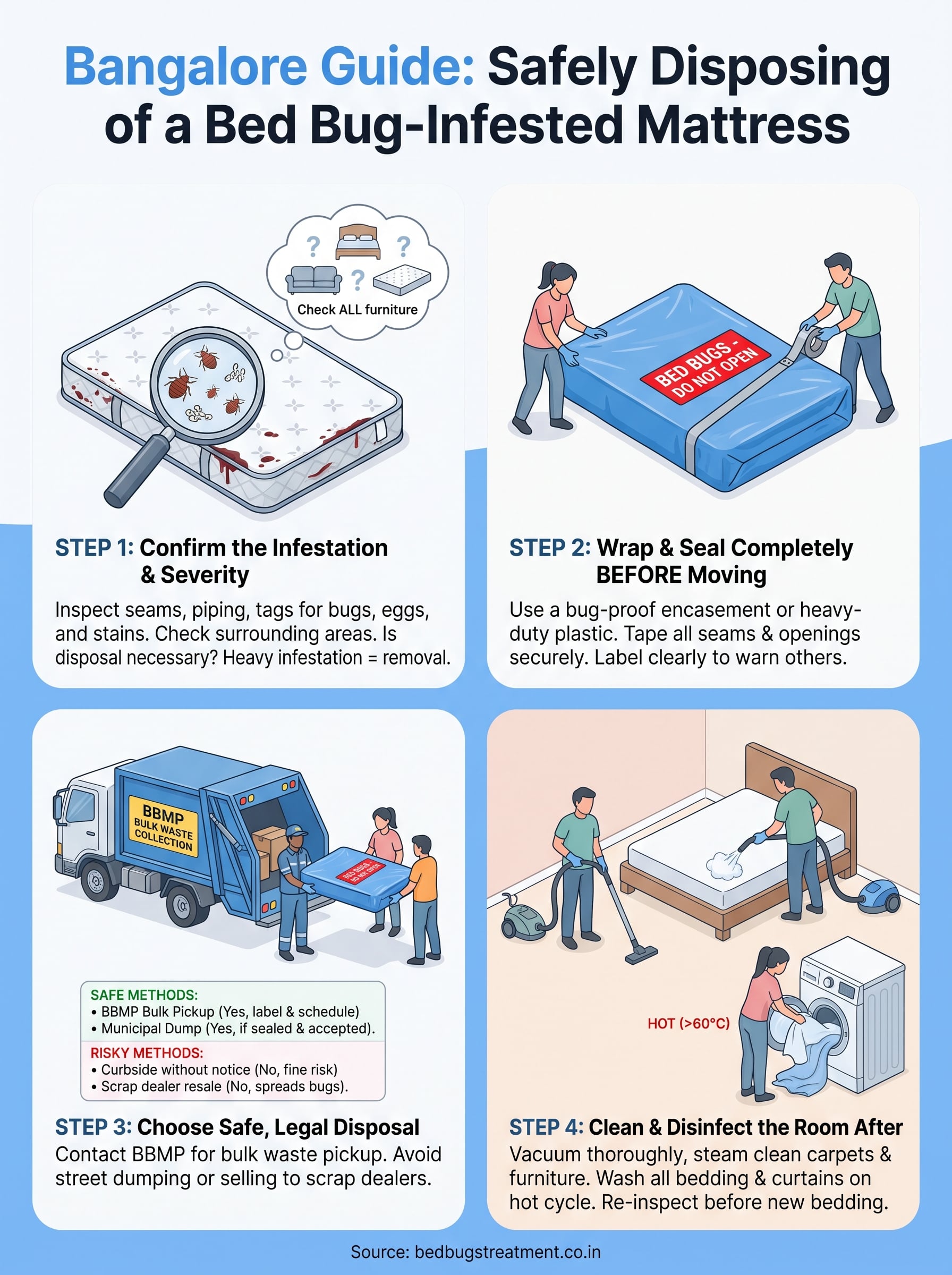
Step 1. Confirm the infestation and check its severity
Before you rip the mattress off the bed frame, spend twenty minutes actually confirming what you’re dealing with. Rusty or dark stains along the seams, tiny white eggs clustered in piping, and a sweet musty smell are all signs of a mattress with bed bugs, not just a stray bug that wandered in from somewhere else. Check the box spring, headboard, and any nearby furniture too, since bed bugs migrate quickly and a thorough inspection now saves you from disposing of one item while three others stay infested.
What to look for room by room
Work through the space methodically instead of just checking the mattress and calling it done:
- Mattress seams, piping, and tags
- Box spring underside and staple lines
- Headboard joints and screw holes
- Bedside table drawers and skirting boards
- Sofa cushions and armchair seams if the room doubles as a lounge
If you find bugs on the mattress and the sofa, you have one infestation, not two separate problems.
Decide if disposal is even necessary
A light, early-stage infestation caught within days of the first bite often responds to heat treatment or steam, meaning you may be able to get rid of bed bugs in your mattress for good rather than throw it out. A heavy infestation with visible eggs across multiple seams, a lingering odor, or bugs found in three or more spots in the room usually means disposal makes more sense than treatment. This is also the point where bed bug infested furniture removal becomes relevant, since sofas and headboards showing the same signs need the same wrap-and-remove process as the mattress itself.
Step 2. Wrap and seal the mattress before moving it
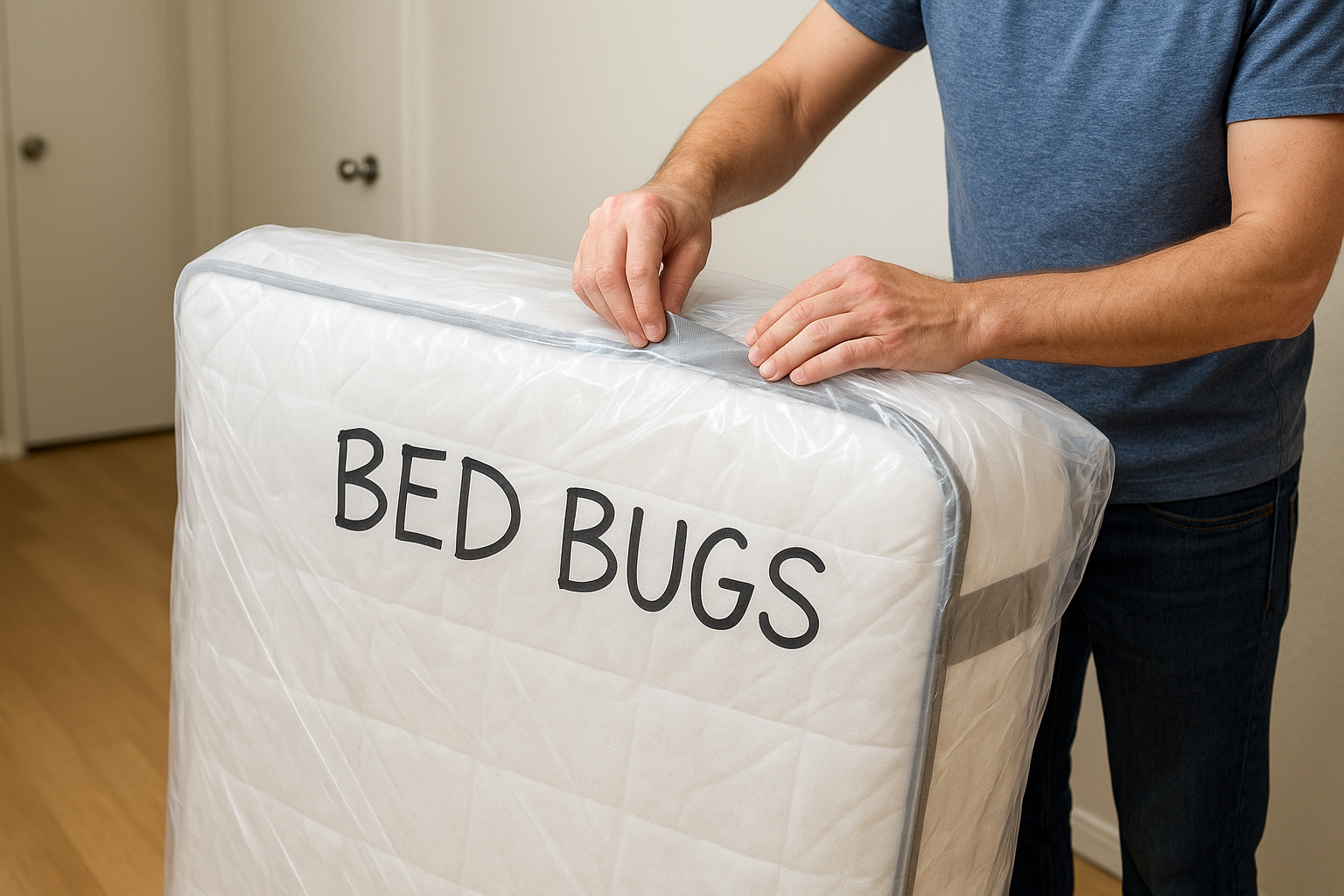
Once you’ve confirmed disposal is the right call, don’t touch the mattress again until you have the right materials ready. A plastic mattress encasement rated for bed bugs, heavy-duty painter’s plastic, or a purpose-made disposal bag will stop bugs and eggs from escaping during the move. Skip thin garbage bags. They tear the moment you lift a mattress down a stairwell, and a single rip undoes all the work you’ve put in so far.
Sealing it properly
Get the whole mattress covered, not just the top and sides:
- Slide the mattress into the encasement or wrap it fully in plastic sheeting
- Tape every seam, corner, and opening with duct tape, overlapping each strip
- Write "BED BUGS" clearly on the outside in marker so waste handlers and neighbors know to keep their distance
- Check for gaps near the corners, where bugs most often squeeze out
A mattress isn’t sealed until you can’t find a single gap large enough for a grain of rice to pass through.
Moving it without spreading the problem
Carry the wrapped mattress directly to your disposal point. Don’t lean it against hallway walls, prop it in a lift lobby, or leave it in a stairwell overnight. Every extra stop is a chance for a loose bug to drop off before the seal fully holds. If you’re also handling bed bug infested furniture removal for a sofa or headboard, wrap each piece the same way and move them one at a time rather than stacking them together.
Step 3. Choose a safe disposal method for your area
Once the mattress is wrapped and labeled, you still need a legal, bug-proof way to get rid of it. BBMP’s bulk waste collection is the safest route in Bangalore, since it’s designed for oversized items and keeps the mattress out of shared bins where other residents might touch it. Call your ward office or use BBMP’s helpline to schedule a pickup, and mention the mattress is bed bug infested so the crew brings the right handling gear. Skip the scrap dealer route entirely. Most won’t take a labeled mattress, and the ones who do risk carrying bugs straight into their next customer’s home.
The safest disposal method is the one that never lets your mattress touch another person’s space before it reaches a landfill.
Comparing your options
| Method | Safe for bed bugs? | Notes |
|---|---|---|
| BBMP bulk waste pickup | Yes | Schedule ahead, label clearly |
| Municipal dump drop-off | Yes, if sealed | Confirm your ward accepts drop-offs |
| Curbside without notice | No | Risk of fines and spreading bugs |
| Scrap dealer resale | No | Most refuse; risky for both parties |
If you’re removing more than the mattress
Households tackling bed bug infested furniture removal often have a sofa, headboard, and mattress leaving on the same day. Notify your building’s facility manager beforehand so lift access and disposal timing don’t clash with other residents’ schedules, and if the infestation is widespread, it’s worth pairing disposal with permanent bed bug removal in Bangalore so the room itself doesn’t reinfest whatever you bring in next.
Step 4. Clean and disinfect the room after removal
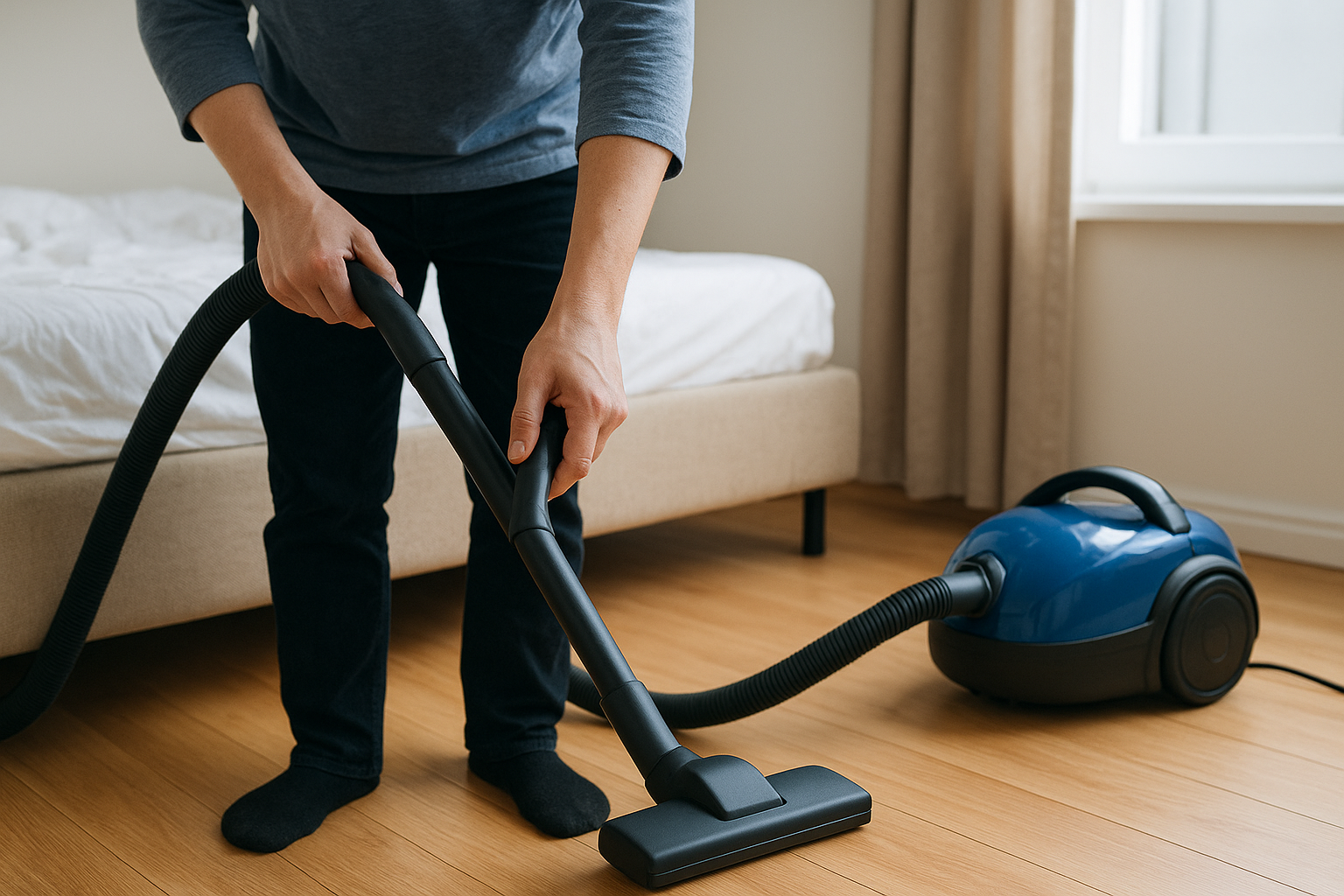
Getting the mattress out the door doesn’t mean the job is finished. Bed bugs that were living in the mattress often leave stragglers in the room itself, tucked into skirting boards, curtain hems, and the gaps behind your bed frame. Vacuum every surface thoroughly, including the mattress base, wall-to-floor joints, and any rugs, then seal the vacuum bag in plastic and bin it immediately rather than leaving it in the house.
Steam and wash everything left behind
Steam cleaning kills bugs and eggs on contact, so run a steam cleaner along carpet edges, the bed frame, and any upholstered furniture that stayed in the room. Wash all bedding, curtains, and clothing that was in the room on the hottest wash setting your fabric allows, since heat above 60°C is what actually kills bed bugs and their eggs, not detergent alone.
A clean-looking room can still be an infested one if you skip the seams and skirting boards.
Check before you bring in new furniture
Inspect the bed and room again step by step two or three days after cleaning, since surviving eggs sometimes hatch within that window. Only then should you bring in a new mattress or replacement furniture, and it helps to follow prevention habits that keep a Bangalore home bed bug free from day one. If you’re also finishing bed bug infested furniture removal for a sofa or headboard, disinfect the spot where it stood before, since bugs often shelter underneath rather than inside the piece itself.
Getting your bedroom back to normal
Getting rid of an infested mattress is only half the fight. Wrapping and sealing it properly, following BBMP’s bulk waste rules, and disinfecting the room afterward are what actually stop a single bad mattress from turning into a building-wide infestation. Skip any one of these steps and you risk dragging the same problem into your new bedding within weeks.
If you’ve followed this guide and still find bugs after removal, or if the infestation had already spread to your sofa, headboard, or walls before you started, disposal alone won’t finish the job. Eggs hiding in skirting boards and furniture joints survive a deep clean far more often than people expect, and a room that looks clear can still be hosting the next generation. At that point, calling in trained technicians is the faster, safer move. Book a same-day free inspection with Bangalore’s odorless bed bug treatment specialists so your bedroom stays bug-free for good, not just until the next hatch.