Can Bed Bugs Live in Wooden Furniture? Identification & Treatment
Bed Diatomaceous Earth for Bed Bugs: Does It Work and How to Use It are notorious for their ability to hide in various environments, including wooden furniture. These pests can find refuge in cracks, crevices, and tight spaces that wooden furniture provides. Understanding how to identify and treat bed bugs in wooden furniture is crucial for effective management. This guide offers insights into symptoms, DIY treatments, and when to seek professional help.
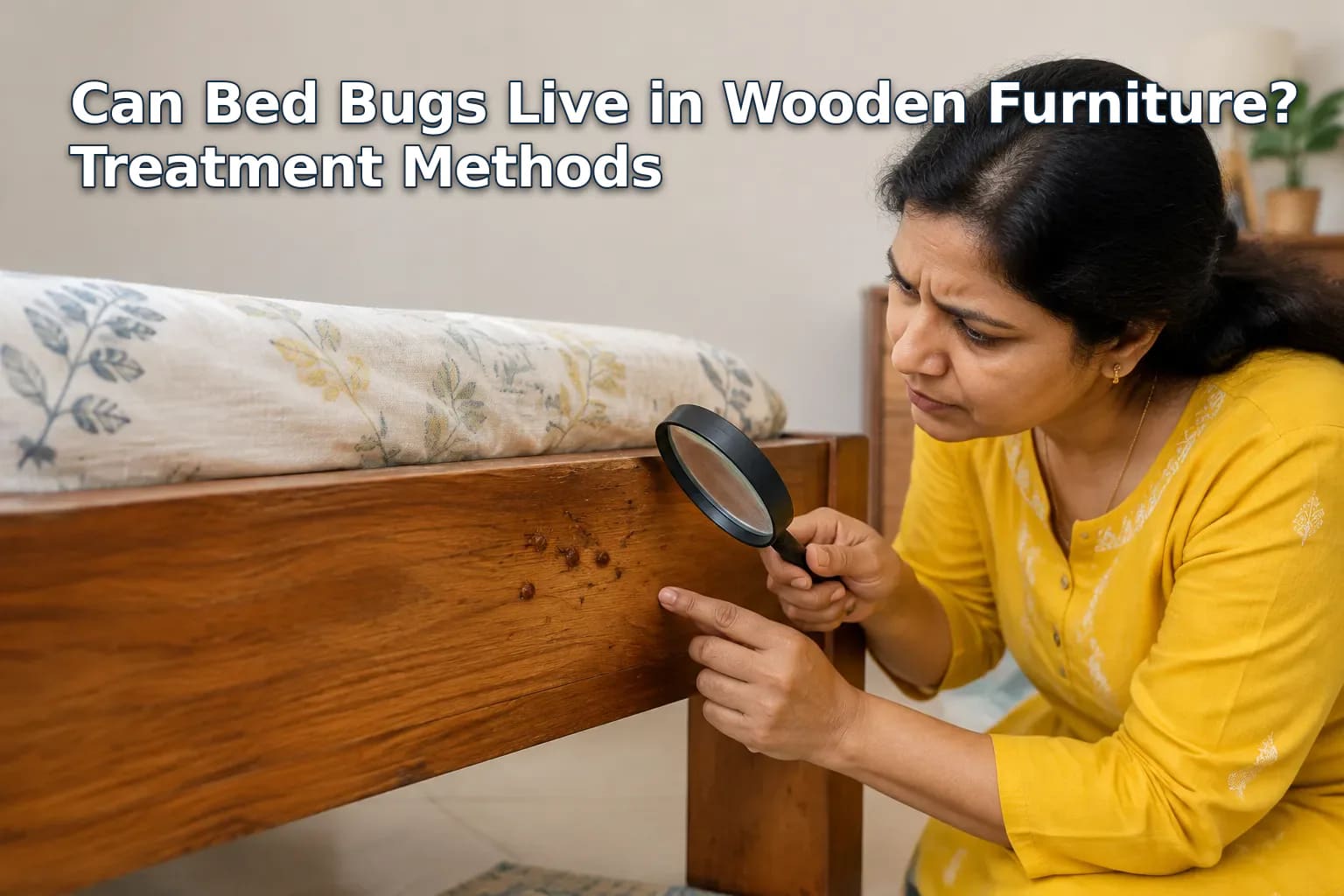
Can Bed Bugs Live in Wooden Furniture?
Yes, bed bugs can reside in wooden furniture. They do not discriminate between materials; their primary concern is finding hiding spots close to their food source—human blood. Bed bugs can hide in the cracks and crevices of wooden beds, dressers, and behind baseboards. They move by crawling and hitchhiking on infested items (source: EPA).
Immediate Steps to Take If You Suspect an Infestation
If you suspect bed Mattress With Bed Bugs? How to Spot, Treat, and Save It in your wooden furniture, taking prompt action can help contain the problem:
- Conduct a Thorough Inspection: Look for live bugs, eggs, or fecal spots in seams, beneath cushions, and within drawers.
- Isolate Affected Items: Carefully transport infested furniture to avoid spreading bugs.
- Clean and Vacuum Thoroughly: Vacuum crevices and all over the furniture to capture bugs and eggs.
- Encase or Seal: Temporarily encase furniture in plastic or specialized covers to contain bugs.
Common Signs of Bed Bugs in Furniture
To confirm an infestation, look for the following signs:
- Small Dark Spots: Indicative of bed bug excrement, often appearing in clusters.
- Reddish Stains: These occur when bed How to Get Rid of Bed Bugs in Your Mattress for Good get crushed.
- Shed Skins and Eggshells: Bed How to Dispose of a Mattress with Bed Bugs Safely molt as they grow, leaving behind lighter-colored shells.
- Live Bugs: Check especially in seams and joints of wooden furniture.
Remember, bite marks alone cannot confirm an infestation, as other pests like mosquitoes or fleas can cause similar symptoms (source: CDC).
Effective DIY Treatment Methods
Several DIY methods can help manage a bed bug infestation in wooden furniture:
-
Sustained lethal odorless treatment requires controlled exposure—typically 48°C to 50°C (118°F to 122°F) maintained for a specified duration to penetrate mattresses and structural harborages. This method requires controlled heating to ensure the temperature is maintained long enough to penetrate all crevices (source: Purdue University).
-
Hot Water and High Heat Drying: Washing affected linens and covers in hot water, followed by a high heat cycle for at least 30 minutes, effectively kills bed bugs on fabrics (source: EPA).
-
Steam Cleaning: Direct steam application can kill bed bugs on the surface but may not penetrate deeply into dense wooden furniture (source: Virginia Tech).
-
Diatomaceous Earth: This abrasive dust can kill bed bugs when they crawl over it, but should be used cautiously to avoid respiratory hazards (source: NPIC).
Avoid unproven home remedies like turmeric and neem oil, which lack scientific support for effectiveness (source: University of Kentucky).
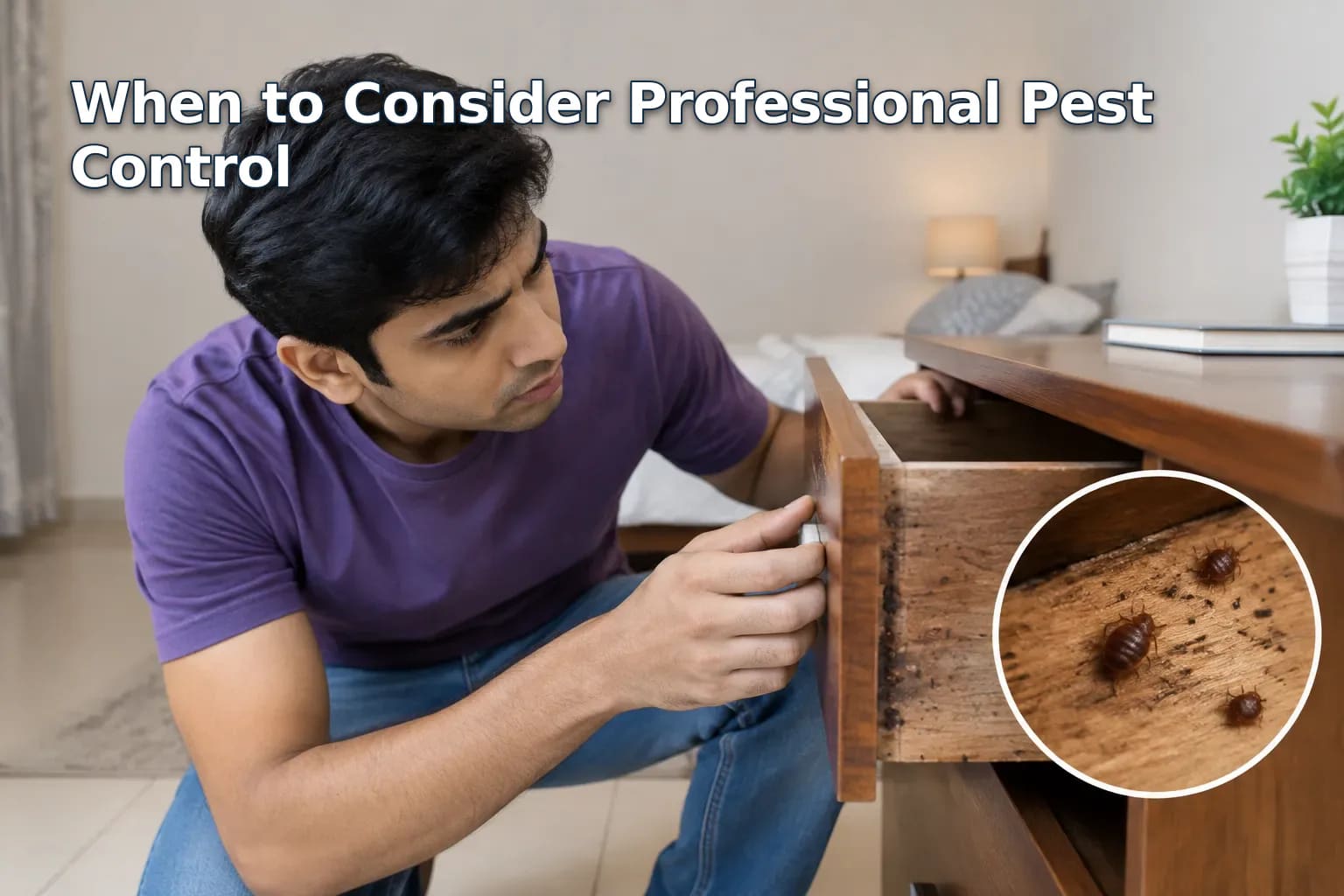
When to Consider Professional Pest Control
While DIY methods can be effective in the initial stages of a bed bug infestation, they may not suffice for more severe cases. Professional help is recommended if:
- Infestations are large or complex: Professionals can treat hard-to-reach areas and provide comprehensive solutions.
- Previous treatments fail: Persistent bed bugs despite DIY efforts require professional expertise.
- Reinfestation occurs regularly: This might indicate that all sources have not been identified or treated.
Professional pest control often means integrating multiple methods and follow-up treatments to manage bed bugs effectively (source: EPA).
Safety Precautions During Treatment
Safety should be paramount when treating bed bugs:
- Avoid Flammable Chemicals: Refrain from using kerosene or rubbing alcohol; they are fire hazards and ineffective against bed bugs (source: EPA).
- Use Protective Equipment: Wear gloves and masks when handling chemicals or dusts.
- Follow Label Directions: Always adhere to instructions on insecticide labels to prevent misuse or contamination.
Common Mistakes and How to Avoid Them
Avoid these errors when treating bed bugs:
- Neglecting Monitoring: Failing to monitor after treatment can lead to untreated areas or reinfestations.
- Overreliance on a Single Treatment: Bed bugs require a multifaceted approach, combining heat, steam, and professional chemical treatments as appropriate.
- Improper Application of Treatments: Misusing diatomaceous earth or other products can render them ineffective and pose health risks.
Professional treatments ensure comprehensive application and monitoring (source: EPA).
Preventing Future Infestations
To minimize the risk of future bed bug problems:
- Regular Inspections: Check furniture periodically for signs of bed bugs.
- Limit Second-Hand Items: Be cautious with used furniture, introducing only thoroughly inspected and treated items.
- Encase Mattresses: Use protective mattress encasements to prevent infestations.
Bed bugs are notorious for their capacity to quickly spread through shared conduits in high-density living areas in India, particularly in places like hostels and apartment complexes (source: Virginia Tech).
Frequently Asked Questions
What are the signs of bed bugs in wooden furniture?
Look for dark spots (excrement), reddish stains, shed skins, and live bugs, especially in cracks and seams.
How can I prevent bed bugs from infesting my furniture?
Regular inspections, limited purchase of second-hand items, and using encasements can help prevent infestations.
Why are professional treatments necessary for severe cases?
Professional treatments are more comprehensive, effectively addressing large infestations and hard-to-reach areas.
What are common mistakes in treating bed bugs?
Common mistakes include neglecting follow-up monitoring, relying solely on one treatment type, and improper application.
For those experiencing signs of bed bug activity, a professional inspection can help determine the extent of the infestation and the most appropriate management approach. Contact us for an inspection to ensure effective treatment and peace of mind.
For persistent infestations, consider scheduling professional bed bug treatment services to inspect deep structural harborages.
References & Verified Sources
- Bed Bugs: Biology and Behavior (US Environmental Protection Agency (EPA)) — Supports: Bed bugs cannot fly or jump; they move strictly by crawling and hitchhiking on clothing, luggage, and used furniture.
- Thermal Death Point for Bed Bugs (Purdue University Department of Entomology) — Supports: Sustained lethal odorless treatment requires controlled temperatures of 48°C to 50°C (118°F to 122°F) maintained for a specific exposure duration to ensure complete penetration into mattresses, crevices, and voids.
Need Immediate Bed Bug Relief in Your Home?
BedBugsTreatment.co.in offers government-approved chemicals, same-day inspection visits, and a 12-month service warranty across India.