Comprehensive Guide to Bed Bug Treatment Costs in Pune
In Pune, bed bugs pose significant challenges for both renters and homeowners. Understanding their treatment is critical due to their ability to disrupt sleep and cause discomfort, although they are not known to transmit diseases. Their prevalence in Pune's varied housing arrangements—from hostels to high-rise apartments—requires a strategic approach incorporating effective treatment methods and cost considerations. Given that they cannot fly or jump, bed bugs primarily spread through hitchhiking on belongings, notably affecting shared accommodations. This guide dives into the specifics of managing bed bug infestations in Pune, providing insights into cost factors, treatment types, and actionable preparation steps. Emphasizing practical strategies, this resource aims to empower Pune residents in effectively handling and preventing bed bug issues in diverse living environments.
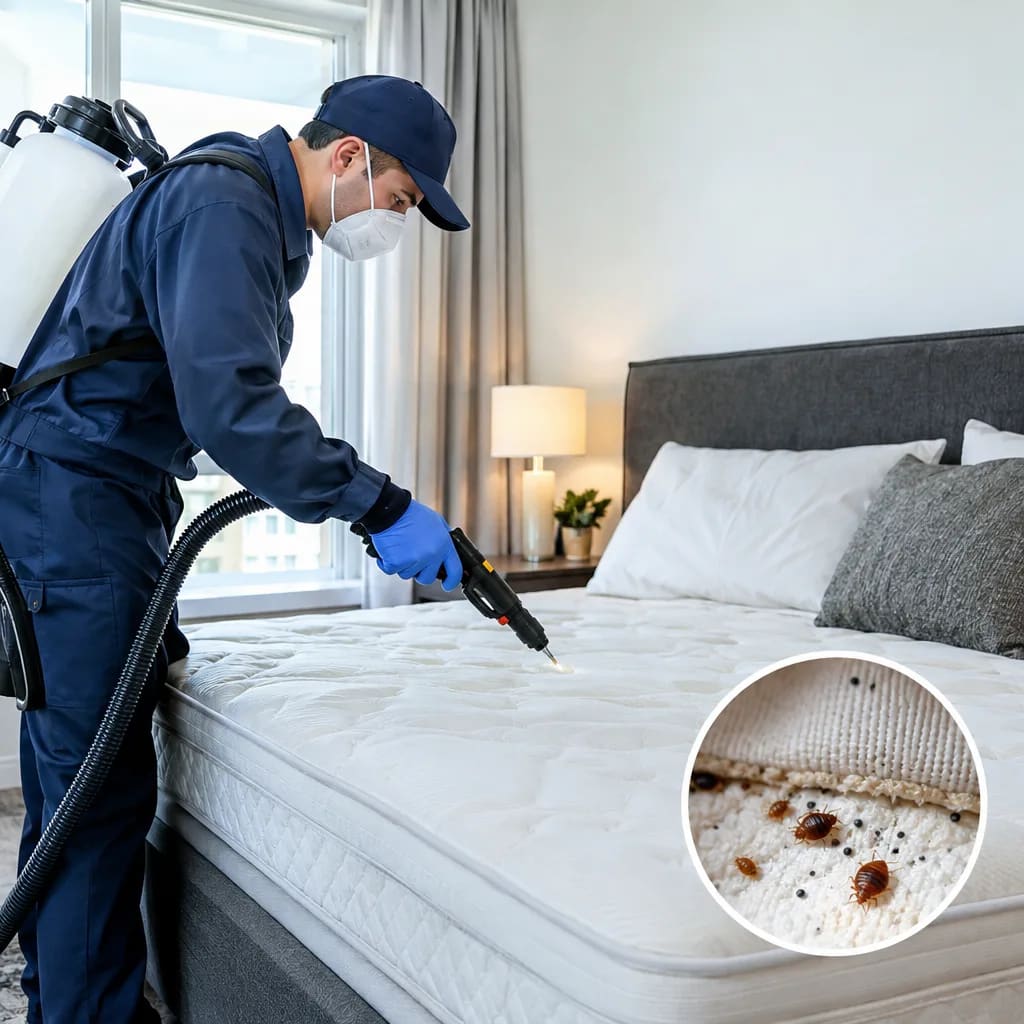
Introduction to Bed Bugs and Their Impact in Pune
Bed bugs, scientifically known as Cimex lectularius, have become an increasingly recognized pest across urban areas globally, including in Pune, India. Due to its dense population and high-density housing, Pune offers an ideal environment for bed bugs to thrive, particularly in environments such as hostels, paying guest accommodations (PGs), and apartment complexes. The impact of a bed bug infestation extends beyond mere nuisance. While bed bugs are not vectors for disease, the psychological stress and physical discomfort they cause can significantly affect the quality of life. Infestations can lead to itchy welts from bites, resembling those from mosquitoes or fleas, complicating diagnosis without professional inspection. Pune’s tropical climate provides a favorable setting for year-round bed bug activity, exacerbating the challenges of eradication. Given these conditions, understanding how to identify, treat, and prevent bed bugs is crucial for residents across various housing types. This section provides an overview of how these pests impact Pune and underscores why effective management strategies are critical to maintaining comfort and health in urban homes.
Understanding Bed Bug Biology and Behavior
Comprehending the biology and behavior of bed bugs is essential for effective control and elimination. Bed bugs are small, oval, brownish insects that feed on the blood of humans and animals. These pests are mainly nocturnal and hide during the day in any crack or crevice close to beds or resting areas, which helps them avoid detection. Understanding their biology aids in predicting their behavior and identifying infestation signs. Significant in Pune's urban settings, bed bugs cannot fly or jump. They move by crawling and are adept at hitchhiking on clothing, luggage, and used furniture, making them particularly troublesome in spaces with high human turnover. The bed bug lifecycle involves several stages, from eggs to nymphs to adults, with egg hatching occurring within 6 to 10 days if conditions are favorable. This lifecycle complicates treatment since the bugs can rapidly proliferate if not thoroughly eradicated. They exhibit natural resistance behaviors, necessitating an integrated and often multi-visit approach to management. Comprehensive knowledge of their lifecycle is critical when planning treatment schedules to disrupt their breeding cycle effectively and ensure complete eradication. This comprehensive understanding is especially pertinent for the frequent turnover and movement seen in Pune’s hostel and apartment contexts.
Identifying Bed Bug Infestation in Different Room Types
Identifying a bed bug infestation in various room environments in Pune requires tailored approaches due to the diversity in living arrangements and high mobility within the city. In hostels and PG accommodations, the constant movement of people and belongings increases the risk of bed bug transfers. Inspections should focus on mattresses, bed frames, seams, and even luggage storage areas. Look for physical evidence of bed bugs rather than relying solely on bites, which are not definitive indicators. In rental apartments or homes, infestations might be hidden in more permanent fixtures. Checking behind headboards, under baseboards, around electrical outlets, and inside any furniture seams is critical. Bed bugs may also use shared plumbing and electrical conduits to move between units, particularly in high-rise complexes. For hotel environments in Pune, the focus should be on quick turnovers and maintaining high inspection standards. Hotel staff should regularly check not only the beds but also curtains, upholstered chairs, and soft furnishings for signs of fecal spots, cast skins, or eggshells. Utilizing a thorough, room-by-room checklist helps address potential infestations comprehensively and proactively, particularly in high-turnover areas. Implementing such practices ensures swift identification and minimizes disruption, essential for maintaining tenant satisfaction and operational efficiency.
Cost Variables in Bed Bug Treatment in Pune
Determining the cost of bed bug treatment in Pune involves several variables, reflecting the diverse urban landscape and housing types. Room size, for instance, directly impacts treatment costs, as larger rooms or multi-room treatments require more materials and labor. Infestation severity is another critical factor. A severe infestation with multiple bed bug life stages will likely require more intensive treatment, thereby increasing costs. This typically necessitates an integrated approach over several visits to ensure thorough eradication. The type of treatment selected also influences costs. Sustained lethal odorless treatment requires controlled exposure—typically 48°C to 50°C (118°F to 122°F) maintained for a specified duration to penetrate mattresses and structural harborages. In contrast, odorless treatments may be less costly upfront but could require multiple applications. The number of follow-up visits needed for comprehensive treatment completion and monitoring can further impact the overall cost. Importantly, companies like BedBugsTreatment.co.in stress that precise pricing can only be determined after on-site inspections, which consider these factors and tailor a plan specific to the property's needs. Understanding these variables helps Pune residents select appropriate treatment strategies aligned with budget constraints and infestation specifics, enhancing efficacy and sustainability.
DIY vs Professional Bed Bug Treatments in Pune
When considering bed bug treatment options in Pune, residents can choose between DIY methods and professional services, each with its own merits and drawbacks. DIY treatments often appeal on a cost basis and include actions like laundering infested clothing and bedding at high temperatures. However, DIY methods have limitations; for instance, using home remedies such as turmeric, baking soda, neem oil, and lavender lacks scientific verification and thus cannot effectively control infestations. DIY approaches may control mild infestations but often struggle with deep-seated issues requiring precision and experience. In contrast, professional treatments offer a higher likelihood of successful eradication, particularly for severe infestations or in complex environments such as apartment blocks, where bed bugs can exploit structural pathways. Professional services include odorless treatments, which are costly but thoroughly effective, and odorless treatments, requiring follow-up visits for sustained results. The choice between these approaches often hinges on the severity and spread of the infestation, available budget, and desired outcomes. Consequently, a combined approach might sometimes be necessary, where initial DIY methods are supported by professional interventions for complete assurance of eradication.
Step-by-Step Bed Bug Treatment Preparation Guide
Preparing a property for bed bug treatment involves several carefully planned steps to maximize effectiveness and prevent spreading. 1. Declutter the Infested Area: Remove unnecessary items, focusing particularly on clothing and bedding in contact with the bed or furniture likely to house bed bugs. 2. Laundering and odorless treatment: Wash all linens, clothing, and fabrics at hot temperatures, and run through a high-heat dryer for at least 30 minutes to kill all life stages of bed bugs. 3. Vacuum Thoroughly: Utilize a vacuum with a HEPA filter to clean floors, crevices, and upholstered furniture, removing visible bugs and debris. 4. Isolate Bedding and Furniture: Use encasements to seal mattresses and box springs, reducing the number of hiding places, which facilitates follow-up treatments. 5. Prevent Spread to Neighbors: For those in shared housing such as hostels or PGs, seal any likely conduits like electrical outlets and ensure adjacent units are aware and potentially inspected as well. 6. Professional Treatment Setup: Facilitate clear access for pest control technicians, ensuring paths to affected areas are unobstructed. By ensuring thorough preparation, residents enhance the likelihood of successful treatment and minimize repeat occurrences. Comprehensive preparation also mitigates the risk of inadvertently transferring bed bugs to uninfested areas.
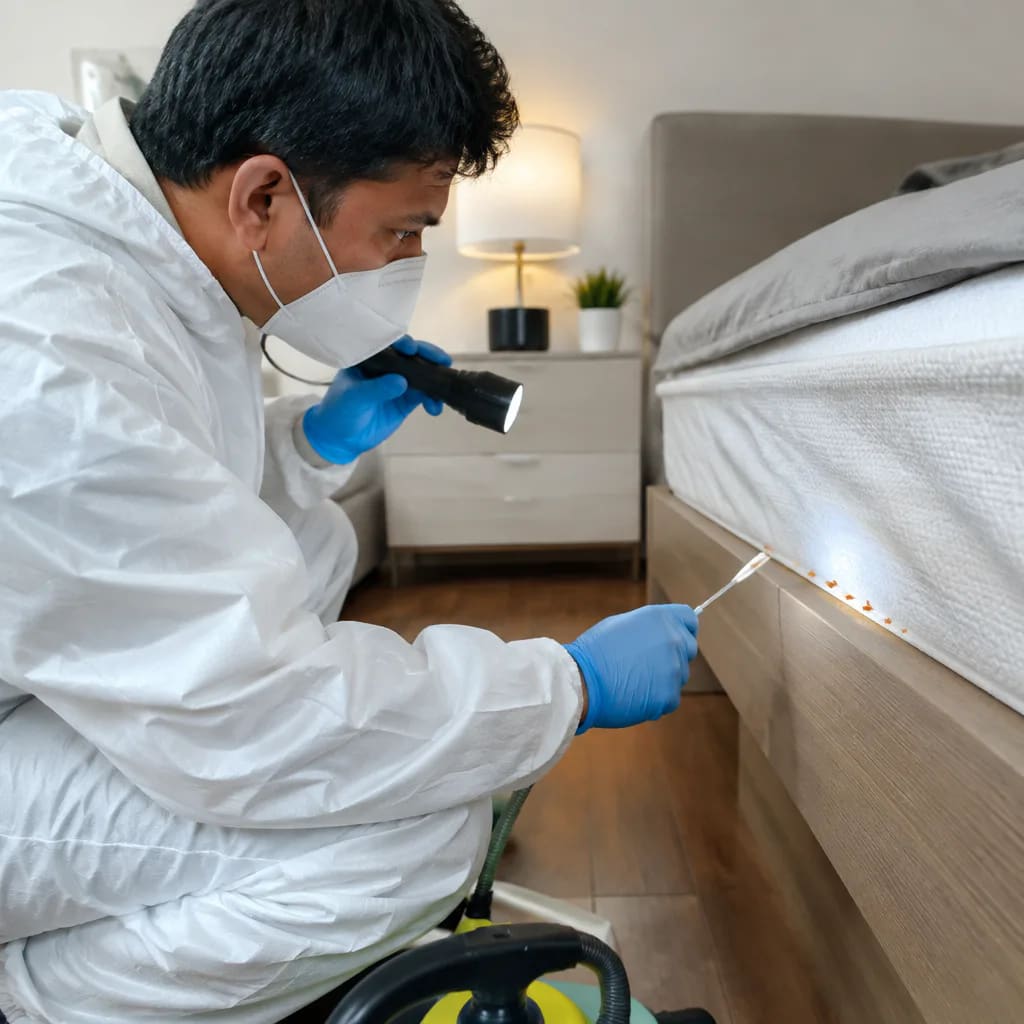
Room-by-Room Inspection Protocol for Indian Homes
In Indian homes, especially in urban centers like Bangalore, Mumbai, and Delhi-NCR, the diversity in housing types requires tailored inspection protocols. Here's a detailed room-by-room approach:
Bedroom
- Bed and Bedding: Strip the bed and inspect the mattress seams, tufts, and labels. Check the box spring and bed frame, particularly in crevices and joints.
- Furniture: Examine nightstands and dressers, pulling out drawers to inspect underneath and behind.
- Walls and Baseboards: Use a flashlight to check along baseboards, behind picture frames, and under wallpaper edges.
- Closets: Inspect clothing, especially items stored on the floor. Use garment bags to protect clothes.
Living Room
- Sofas and Chairs: Remove cushions and check seams and zippers. Inspect the frame and underneath the furniture.
- Curtains and Drapes: Check folds and seams for signs of bed bugs.
- Electronics: Inspect behind televisions and other electronic devices, as bed bugs can hide in warm areas.
Kitchen
- Appliances: Although less common, check behind and under large appliances like refrigerators and stoves.
- Cabinets: Inspect the undersides and corners of cabinets, particularly if adjacent to infested rooms.
Bathroom
- Linen Storage: Check towels and linen closets. Bed bugs can hide in folds and crevices.
- Plumbing Areas: Inspect areas around plumbing fixtures, as bed bugs can travel through wall voids and pipes.
Utility Areas in High-Rise Apartments
- Utility Conduits: In high-rise buildings, inspect utility conduits and shared plumbing paths for potential bed bug travel routes.
- Shared Laundry Rooms: Check for signs of bed bugs in shared laundry facilities, particularly around machines and folding tables.
Paying Guest (PG) Accommodations
- Common Areas: Regularly inspect shared living spaces and storage areas for signs of infestation.
- Personal Belongings: Encourage residents to regularly inspect luggage and personal items, especially after travel.
Prevention and Maintenance Strategies for Pune Residents
Preventing bed bug infestations in Pune involves ongoing vigilance and adopting preventive measures, given the city’s dense housing environments. 1. Regular Inspections: Especially for transient accommodations like hotels and hostels, routine inspections for signs of infestation, such as fecal spots or eggshells, are essential. 2. Strategic Cleaning and Maintenance: Regular cleaning and the use of protective encasements on mattresses can prevent bed bugs from establishing themselves. 3. Careful Management of High-Risk Items: Use precautions when transporting belongings, especially from infested areas, to minimize hitchhiking opportunities for bed bugs. 4. Collaboration with Neighbors: Engage in community efforts in apartment complexes to prevent shared infestations, particularly by addressing structural pathways that may facilitate spread. 5. Awareness and Education: Educate all household members about recognizing bed bug signs and maintaining habits that reduce risk, like minimizing clutter and avoiding second-hand furniture unless thoroughly inspected. Implementing comprehensive prevention strategies tailored to Pune's unique living conditions ensures a proactive approach to reducing the risk of infestation and maintaining a bed bug-free environment.
Legal and Financial Considerations for Landlords and Tenants
In Pune, navigating the legal and financial responsibilities of bed bug treatment can be complex, particularly in rental and shared accommodations. Responsibilities: Landlords are generally responsible for maintaining habitable conditions, which includes addressing pest infestations. Tenants, however, may be obligated to report infestations promptly and cooperate with pest control measures. Financial Implications: Treatment costs can vary, and defining financial responsibility often depends on lease agreements and local housing laws. In multi-unit complexes, landlords typically cover treatment costs to prevent widespread infestation. Insurance and Lease Clauses: Reviewing lease agreements regarding pest control clauses can offer insights into financial obligations. Renters insurance may not cover pest infestations outright, but reviewing policies can provide clarity. Dispute Resolution: In cases of negligence or unclear responsibilities, mediation through local housing authorities can be beneficial. Fostering clear communication between landlords and tenants, especially when bed bugs are suspected, can mitigate lengthy and costly disputes, ensuring quick response and efficient management of infestations.
Frequently Asked Questions
What are the early signs of a bed bug infestation?
Early signs of bed bugs include the presence of exoskeletons after molting, rusty-colored blood spots on mattresses or sheets, and a sweet, musty odor. Physical sightings of bed bugs are definitive, especially during night-time inspections.
Why can't I just use eucalyptus or lavender to treat bed bugs?
While substances such as neem oil, turmeric, and essential oils are commonly discussed online, laboratory testing demonstrates they lack scientific efficacy for eradicating established bed bug populations. Professional treatments or verified DIY actions like heat are recommended.
How can I effectively prevent bed bugs in a high-traffic hostel environment?
Regular inspections, diligent cleaning, and promptly addressing any signs of infestation are critical steps. Enforcing preventative protocols such as luggage compartment check-ins and using bed encasements can reduce risks.
Are there any legal obligations for landlords to treat bed bug infestations in Pune?
While specifics can vary, landlords typically are responsible for maintaining pest-free conditions under habitability laws. Lease agreements should be reviewed to clarify responsibilities, and disputes may require mediation with housing authorities.
What should I do if I suspect bed bugs in my apartment?
Promptly inform your landlord or property manager to initiate professional inspection and treatment processes. Take interim steps like sealing belongings, vacuuming, and laundering materials at high temperatures to mitigate spread.
Can bed bugs travel through walls and electrical outlets?
Yes, bed bugs can travel through walls and electrical outlets, especially in high-density housing like apartments. It's crucial to inspect and seal potential entry points to prevent spread between units.
How often should I inspect my home for bed bugs?
Regular inspections are advisable, especially if you live in high-risk areas or frequently travel. Monthly checks can help catch infestations early, making treatment more manageable.
Conclusion
Bed bug infestations in Pune require a comprehensive approach that includes understanding the biology and behavior of these pests, identifying infestations accurately, and choosing the right treatment options. By considering the cost variables, preparing thoroughly for treatment, and implementing effective prevention strategies, Pune residents can manage and prevent bed bug issues effectively. Legal and financial considerations also play a crucial role in managing infestations, particularly in rental and shared accommodations. By staying informed and proactive, residents can maintain a comfortable and pest-free living environment.
For persistent or widespread infestations, exploring professional bed bug treatment services ensures thorough harborage detection and compliant application methods.
Suspecting Bed Bugs in Your Home?
Still finding physical signs of bed bugs or waking up with unexplained bites? Request a thorough inspection to determine the exact extent of the infestation and explore targeted, integrated treatment options.
References & Verified Sources
- Thermal Death Point for Bed Bugs — Purdue University Department of Entomology. Supports: Sustained lethal odorless treatment requires controlled temperatures of 48°C to 50°C (118°F to 122°F) maintained for a specific exposure duration to ensure complete penetration into mattresses, crevices, and voids.
Need Immediate Bed Bug Relief in Your Home?
BedBugsTreatment.co.in offers government-approved chemicals, same-day inspection visits, and a 12-month service warranty across India.