Comprehensive Guide to Bed Bug Control in JP Nagar, Bangalore
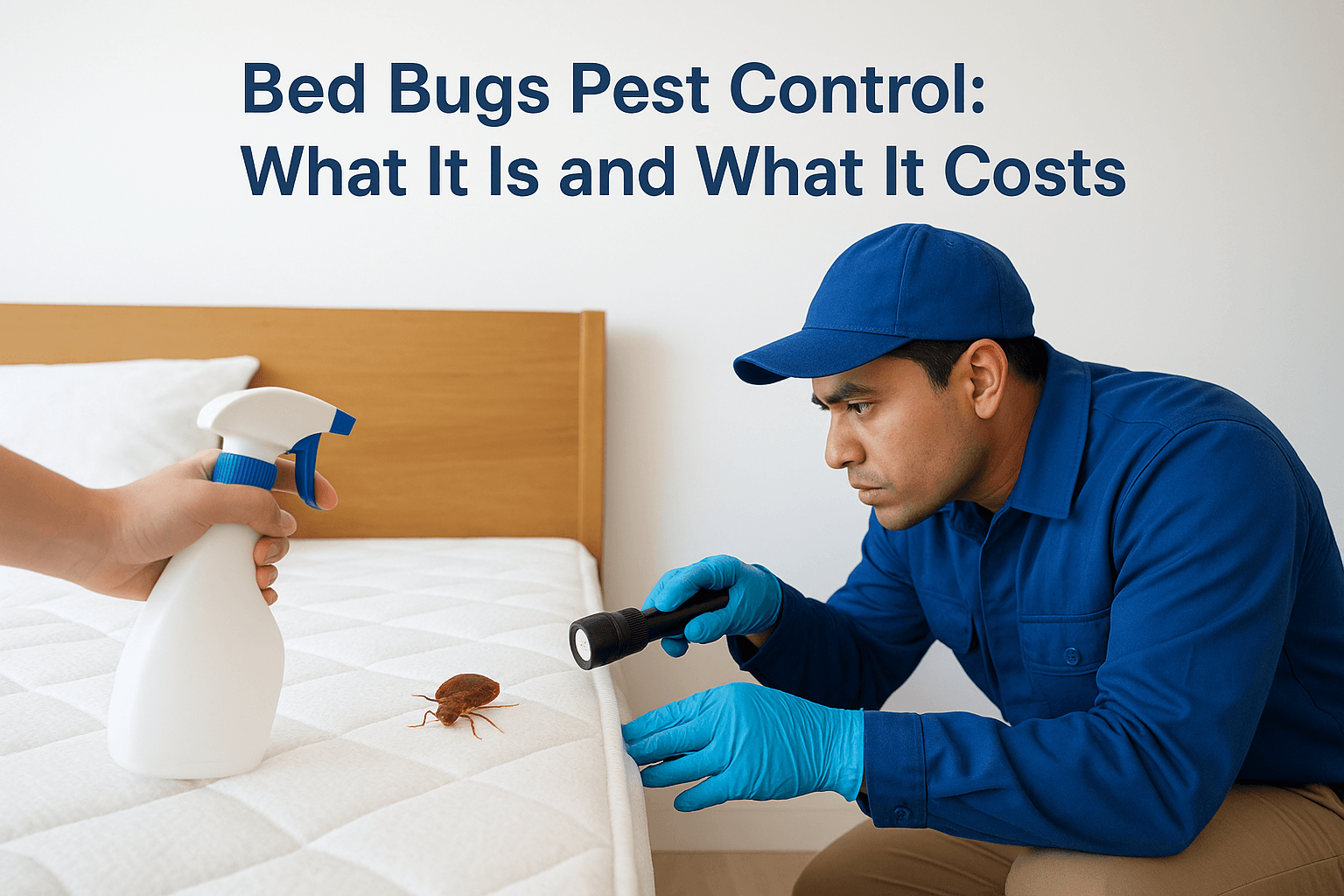
Residents of JP Nagar, an urban hub bed bug treatment in Bangalore, face unique challenges in managing bed bug infestations due to densely populated living conditions and shared housing arrangements common in the area. This guide provides specific insights into identifying and addressing bed bug problems in such settings. With the increase in domestic tourism and inter-city travel, bed bugs easily spread by hitchhiking on luggage and through infested environments. Understanding how to detect, manage, and prevent these pests in JP Nagar is crucial for maintaining a comfortable and hygienic living space. This comprehensive article covers steps to confirm infestations, effective control methods, and when to seek professional help.
Introduction to Bed Bug Problems in JP Nagar
The densely populated nature of JP Nagar, characterized by high-rise apartments, PG accommodations, and hostels, provides an ideal breeding ground for bed bugs. These pests are adept at moving between units in multi-story complexes through shared plumbing and electrical conduits, complicating efforts to contain and eliminate infestations. As residents contend with high humidity levels and fluctuating temperatures, both factors create an advantageous environment for bed bugs to thrive and multiply.
Recognizing an infestation early is critical to manage the problem effectively. Bed bugs are notorious for their elusive nature, often avoiding detection by lurking in mattress seams, behind baseboards, and within electrical sockets. Due to their small size and aversion to light, spotting these pests requires a concerted inspection effort and a thorough understanding of their behavior. In JP Nagar, where shared accommodations are prevalent, addressing an infestation often necessitates a coordinated approach involving multiple tenants and could lead to a community-wide effort. This guide will walk you through the essential techniques required to not only identify and address infestations but also prevent them from recurring.
Understanding Bed Bug Biology and Behavior
Knowing the biology and behavior of bed bugs can make a significant difference in detection and control efforts. Bed bugs, scientifically known as Cimex lectularius, have a life cycle that involves egg, nymph, and adult stages. Without the ability to fly or jump, bed bugs rely on crawling and hitchhiking on items such as clothing, luggage, and furniture to move. This trait makes them masters of concealment, often found in narrow cracks and crevices.
The life cycle of bed bugs, from egg to adult, typically takes about six weeks under ideal conditions, with adults living up to a year. Their reproduction is rapid; a single female can lay hundreds of eggs in her lifetime, each hatching between 6-10 days after being laid. Bed bugs are primarily nocturnal, feeding on human blood every five to ten days, with bites that are usually painless initially.
Due to their cryptic nature and ability to hide in small crevices, controlling a bed bug infestation requires keen observation and consistent monitoring. In JP Nagar's compact living conditions, any introduced bed bugs can quickly result in a widespread infestation if not managed promptly. Therefore, it is important for residents to be vigilant and proactive in implementing control measures at the first sign of an infestation, to prevent these pests from rapidly multiplying and spreading throughout the building.
Effective Detection Methods
Confirming a bed bug infestation relies not on bite marks but on physical evidence. Bite marks alone are unreliable as they often resemble those from mosquitoes, fleas, or allergic reactions. To accurately detect an infestation, residents should seek visible signs such as live bugs, cast skin shells, dark fecal spots, or eggshells.
Start by inspecting the bedding, paying special attention to the tufts, seams, and folds where bed bugs are likely to congregate. Utilize a flashlight and a magnifying glass to aid in locating these pests in dark crevices. Other potential hiding spots include under mattresses, behind headboards, along baseboards, and within the cracks and crevices of bedroom furniture.
Given JP Nagar's prevalence of shared living spaces, inspect communal areas like shared sofas and lounge furniture, which can serve as harborages for bed bugs transferred from individual apartments. Encourage co-residents to conduct regular inspections as well, since bed bugs can spread rapidly from one room to another. In crowded environments or high-rise settings, the detection of cross-contamination arises from thorough inspections beyond just the suspected room. By maintaining vigilance and regular checks, tenants can effectively manage and mitigate spread before they escalate into a large-scale infestation.
Inspecting Your Living Space This Weekend: Room-by-Room Guide
Conducting a comprehensive inspection of your living space is crucial for early detection of bed bug infestations, especially in multi-unit dwellings typical of JP Nagar. Here's a room-by-room guide to help streamline this process.
Bedrooms:
- Mattresses and Bed Frames: Start with the mattress, checking seams, tags, and buttons for signs of bed bugs or their fecal matter. Examine the bed frame, particularly in joints and crevices.
- Headboards: Detach from the wall if possible and inspect the back and all attachment points.
- Furniture: Check inside, underneath, and behind dressers and nightstands.
Living Rooms:
- Upholstered Furniture: Inspect seams, cushions, and underneath cushions for bed bug evidence.
- Carpets and Rugs: Use a vacuum with a hose attachment to check edges and any anomalies within fibers.
- Wall Hangings: Check behind posters, paintings, and decorative pieces.
Hallways and Common Areas:
- Baseboards and Outlets: Carefully remove covers (if safe) to inspect and clean around electrical outlets and baseboards.
- Shared Furniture: Conduct thorough checks on communal furniture, especially if high turnover in roommates is common.
Methodically addressing each room not only helps in identifying infestations early but allows you to map the extent of a potential pest presence. In JP Nagar, where bedrooms and living areas can be close-knit, particular attention should be paid to potential pathways bed bugs could traverse, such as connecting vents or ducts and neighboring units’ proximity.
Differentiating Bed Bug Bites from Other Pest Issues
Understanding the visible signs of bed bug activity is crucial to differentiate them from other pest-related issues. Relying exclusively on bite marks can be misleading as bites from bed bugs, mosquitoes, and fleas often appear similar. Thus, the true confirmation of a bed bug problem lies in tangible evidence. According to the CDC, physical evidence such as live bugs, cast skins, or fecal spotting is necessary to conclusively identify an infestation.
Identifying Bed Bug Bites:
- Appearance: Bed bug bites typically appear in clusters or lines of three to five bites and can cause an itchy rash.
- Location: Commonly found on exposed skin including the face, neck, arms, and hands.
- Reaction: Varied from person to person, ranging from strong allergic reactions to minimal skin irritation.
Comparing to Other Bites:
- Mosquito Bites: Typically isolated and cause a central raised bump.
- Flea Bites: Often occur on the lower legs and ankles, frequently forming a cluster.
- Allergic Reactions: Typically appear in hives or welts without a predictable pattern.
Residents of interconnected housing structures in JP Nagar, such as hostels and PGs, should treat any unexplained bite reactions with caution. Establish partnerships with neighboring households to cross-check for signs of bed bug presence and employ systematic surveillance efforts throughout the building to identify infestations promptly.
DIY Bed Bug Control: Techniques and Limitations
Residents exploring DIY options should be aware of the limitations and risks involved when tackling bed bug infestations. Home remedies, including solutions derived from turmeric, baking soda, neem oil, or lavender sprays, lack scientific evidence supporting their efficacy in eradicating bed bugs. These DIY techniques may not sufficiently reach or control existing populations, particularly in dense residential setups like those in JP Nagar.
Proven DIY Steps:
- Washing and Drying: Infested clothing or bedding should be washed in hot water and dried at high heat for at least 30 minutes to kill all life stages of bed bugs present on fabrics. This is a reliable, non-chemical approach guaranteed to assist in managing localized infestations.
- Vacuuming: Regular vacuuming of cracks, crevices, mattresses, and carpets helps in physically removing bed bugs. Dispose of vacuum contents in a sealed plastic bag immediately.
- Diatomaceous Earth: While effective as a desiccant by creating a barrier that bed bugs cross, food-grade diatomaceous earth should be applied cautiously to avoid respiratory hazards.
Residents should recognize the process's inherent constraints—primarily the difficulty in accessing all pest hiding spots and ensuring lasting elimination by non-technical means. In JP Nagar, particularly with multi-unit dwellings, coordinated efforts with neighbors and repeated professional inspections increase the success rate of any control strategy.
When to Call Professionals: Timing and Expected Costs in JP Nagar
Despite conscientious efforts, there are scenarios when professional pest control becomes necessary to address bed bug infestations effectively. Bed bugs can develop resistance to certain DIY treatments over time, and their ability to nest in hard-to-reach areas can thwart even the most thorough home-based interventions.
Indications for Professional Intervention:
- Persistent Infestation: If you've attempted DIY methods with minimal success and continue to find new signs of bed bugs.
- Severe Infestation: A large-scale infestation overwhelming typical DIY measures in multiple rooms or units.
- Shared Living Spaces: Especially crucial if living in shared accommodations where an untreated problem may quickly spread.
- No Access to Advanced Tools: Professionals have access to specialized tools and treatments like steamers and pesticides that are not feasible for home use.
Cost Considerations:
In JP Nagar, residents can expect the cost of treatment services to vary significantly based on several factors, including property size, layout complexity, the severity of the infestation, and the method chosen, as well as the number of follow-up visits needed. Onsite inspections are crucial for precise quotes as online pricing estimates may not reflect true needs accurately. Services like BedBugsTreatment.co.in provide bespoke solutions tailored to unique housing scenarios in urban Indian environments.
Residents should consider professional services a long-term investment, combining this intervention with an integrative pest management approach to safeguard housing units from future issues while reducing the infestation's reoccurrence.
Prevention Tactics: Protecting Your Home from Reinfestation
Preventative measures are critical in ensuring that bed bugs do not return to areas previously treated. For residents of JP Nagar, this involves both individual actions and community-based strategies due to the densely-packed nature of the local housing.
Individual Preventative Steps:
- Luggage Caution: Upon returning from travel, inspect and vacuum luggage and belongings outside before bringing them indoors to reduce the risk of introducing bed bugs from infested accommodations.
- Furniture Inspection: Prioritize purchasing new furniture over used items and always inspect second-hand furniture carefully prior to bringing them into living spaces.
- Encase Mattresses: Use encasement products to cover mattresses and box springs to restrict access and make early detection easier as any new droppings or bugs become instantly observable.
Community Strategies:
- Joint Inspections: Coordinate periodic inspections with neighbors, given the ease of spread between adjacent unit complexes in high-rise buildings common in JP Nagar.
- Education Programs: Advocate for building-wide awareness campaigns on bed bug identification and prevention, potentially organized through local housing committees or neighborhood apps.
Residents should consider creating cooperative agreements with property management and fellow tenants that prioritize communication regarding pest sightings and prompt reporting. While prevention doesn’t guarantee absolute security, ongoing diligence plays a pivotal role in minimizing infestations’ chances to redevelop and remain unchecked in urban localities.
Integrated Pest Management Strategies for Urban Living Spaces
Integrated Pest Management (IPM) provides a systematic framework aimed at long-term bed bug control strategies through a combination of mechanical, cultural, biological, and chemical means. This approach is particularly suitable for the urban layout of JP Nagar, where close proximity and diverse living arrangements necessitate coordinated efforts.
Key Components of IPM:
- Monitoring and Identification: Regular inspections place emphasis on early detection before bed bug populations reach problematic levels.
- Habitat Modification: Reducing clutter and potential hiding spaces makes the environment less hospitable for bed bug proliferation.
- Adaptation of Cultural Controls: Encourage behavioral changes, such as increased laundering frequency and care in acquiring second-hand items.
- Strategic Use of Chemical Treatments: Incorporate pet-safe, environmentally friendly pesticides as part of a broader strategy, always under professional guidance to prevent resistance build-up.
By engaging in IPM, urban residents in JP Nagar can effectively limit bed bug resilience. This strategy entails an all-encompassing focus involving tenants, landlords, and pest control professionals, optimizing pest control investments. Cooperating with certified pest management services, such as those operating in Bangalore, ensures that action plans developed are appropriate for local building layouts, resident lifestyles, and comply with health and safety standards.
Overall, the application of IPM principles enhances adaptability and mitigates bed bug control challenges in high-density urban environments, providing a sustainable and comprehensive approach that significantly reduces the risk of severe infestations over time.
Frequently Asked Questions
How can I confirm it's bed bugs and not another pest?
Physical evidence such as live bugs, cast skins, dark fecal spots, or eggshells can confirm a bed bug infestation. Bite marks alone are not reliable.
What are the most effective ways to treat bed bugs in urban apartments?
Effective methods include professional heat treatments, targeted use of pesticides, and coordinated efforts with IPM strategies to ensure comprehensive eradication and prevention of future infestation.
Can DIY methods work as well as professional treatments?
DIY methods can manage minor infestations through regular washing, vacuuming, and cautious use of diatomaceous earth, but professional intervention is often required for severe cases.
How much will it cost for professional bed bug treatment in JP Nagar?
Exact pricing depends on factors like property size, infestation severity, and the number of required visits. Onsite inspections are necessary to obtain precise quotes.
What should I do if I live in a shared accommodation and have bed bugs?
Inform management immediately, work collaboratively with neighbors, conduct thorough inspections beyond personal quarters, and engage professional pest services to address the problem holistically.
For persistent or widespread infestations, exploring professional bed bug treatment services ensures thorough harborage detection and compliant application methods.
Suspecting Bed Bugs in Your Home?
Still finding physical signs of bed bugs or waking up with unexplained bites? Request a thorough inspection to determine the exact extent of the infestation and explore targeted, integrated treatment options.
References & Verified Sources
- Bed Bugs: Biology and Behavior — US Environmental Protection Agency (EPA). Supports: Bed bugs cannot fly or jump; they move strictly by crawling and hitchhiking on clothing, luggage, and used furniture.
- Bed Bugs FAQs: Signs and Symptoms — Centers for Disease Control and Prevention (CDC). Supports: Bite marks alone cannot confirm a bed bug infestation because bites closely resemble reactions from mosquitoes, fleas, or allergies; physical evidence (live bugs, cast skins, fecal spots, or eggshells) is required for confirmation.
- Integrated Pest Management for Bed Bugs — US Environmental Protection Agency (EPA). Supports: Because bed bug eggs can hatch 6 to 10 days after an initial treatment and bed bugs possess natural behavioral resistance, professional eradication typically requires an integrated multi-visit approach with follow-up monitoring.
- BedBugsTreatment Service Policy and Inspection Protocol — BedBugsTreatment.co.in. Supports: BedBugsTreatment.co.in does not publish fixed online treatment prices because service costs depend on the property size, room layout, severity of the infestation, treatment method selected, and the number of follow-up visits required; all quotes are provided only after an inspection.
Need Immediate Bed Bug Relief in Your Home?
BedBugsTreatment.co.in offers government-approved chemicals, same-day inspection visits, and a 12-month service warranty across India.