Effective Bed Bug Control in Hostels and Dormitories
Eliminating bed Bed Bug Spray Killer: Do They Really Work? in hostels and dormitory settings requires a systematic approach involving detection, treatment, and cooperation with management. These shared living environments provide easy transportation routes for bed bugs, making infestation control critical. From identifying signs of an infestation to choosing effective treatments, this guide provides actionable insights to control and prevent bed bugs efficiently.
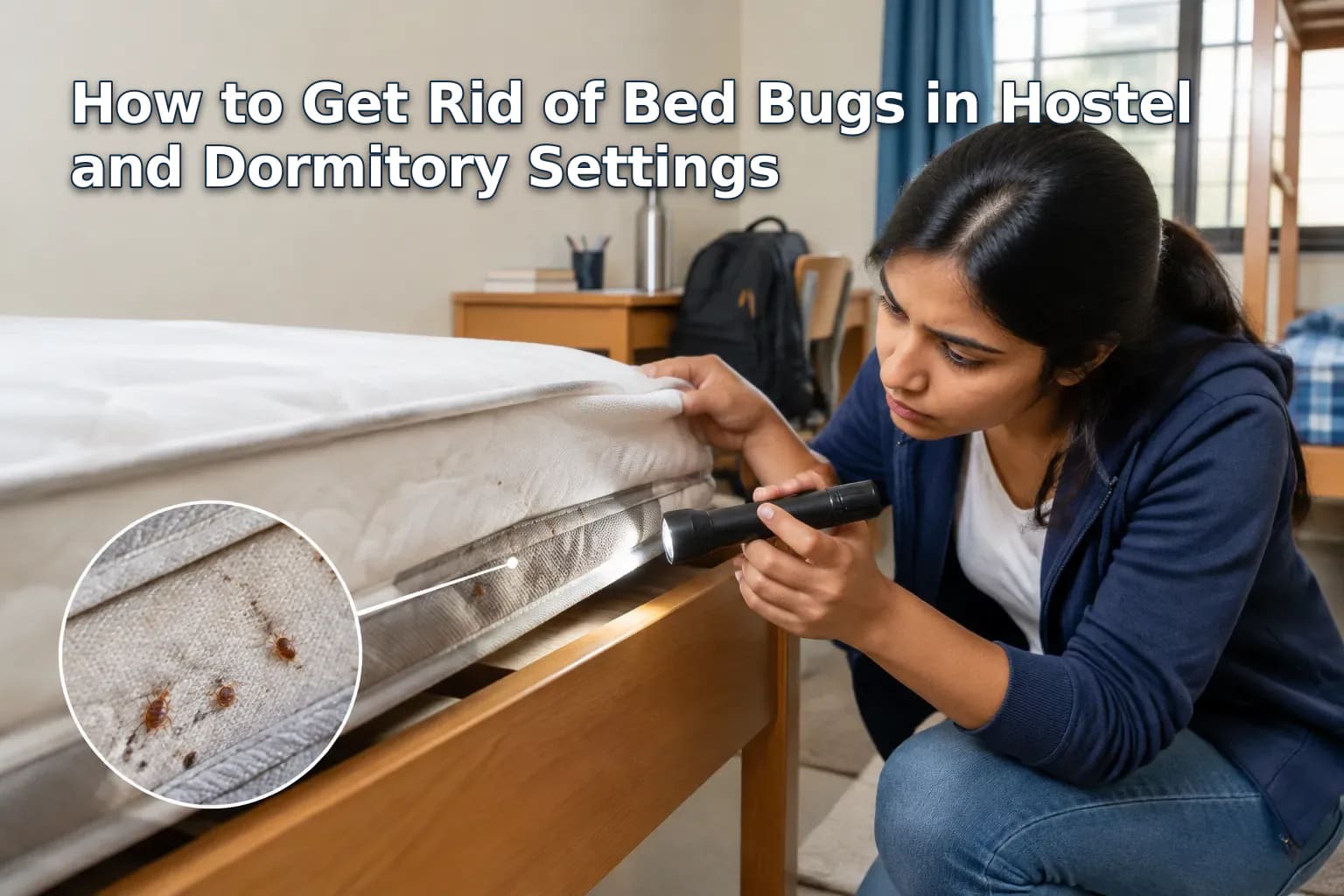
Quick Checklist for Eliminating Bed Bugs in Hostels and Dormitories
- Identify Signs of Infestation: Look for live bugs, eggshells, and fecal spots.
- Isolate Affected Areas: Avoid moving infested items to uninfected areas.
- Notify Management: Immediately inform the hostel management.
- Begin Treatment: Determine whether to use DIY methods or hire professionals.
- Follow Up and Monitor: Ensure continuous monitoring and possible follow-up treatments.
- Implement Prevention Strategies: Regularly inspect and maintain cleanliness to prevent future infestations.
Identifying Bed Bug Infestations
Recognizing a bed bug infestation requires observing physical evidence, as bite marks alone are unreliable indicators due to their resemblance to other insect bites or allergic reactions. Look for live bed bugs, cast skins, fecal spotting on bedding, and eggshells. These signs are usually found in bed frames, mattress seams, and nearby personal items. [Source: CDC]
Immediate Steps to Contain the Infestation
Once an infestation is suspected or confirmed, immediate action is essential to prevent spread. Do not transfer luggage or personal items to uninfected areas. Encase mattresses and pillows in protective covers to limit bug movement. Communicate with fellow residents and management for coordinated action to prevent further migration of bed bugs.
Treatment Options: DIY and Professional
DIY Treatment Options
- Hot Water and Heat Treatment: Washing infested clothing and bedding in hot water, followed by high-heat drying for at least 30 minutes, effectively kills all life stages of bed bugs. [Source: EPA]
- Steam Treatment: Delivers surface heat to exterminate bugs and eggs on contact; however, it cannot reach inside walls or deeply into dense furniture. [Source: Virginia Tech Entomology Extension]
Professional Treatment Options
Sustained lethal odorless treatment requires controlled exposure—typically 48°C to 50°C (118°F to 122°F) maintained for a specified duration to penetrate mattresses and structural harborages. [Source: Purdue University]
- Integrated Pest Management (IPM): Uses a combination of chemical treatments and follow-up visits for comprehensive control, crucial due to bed bugs’ resistance and survival traits. [Source: EPA]
Professional services are recommended in large or persistent infestations, as bed bugs can have behavioral resistance that DIY methods can't address alone.
Coordinating with Hostel Management
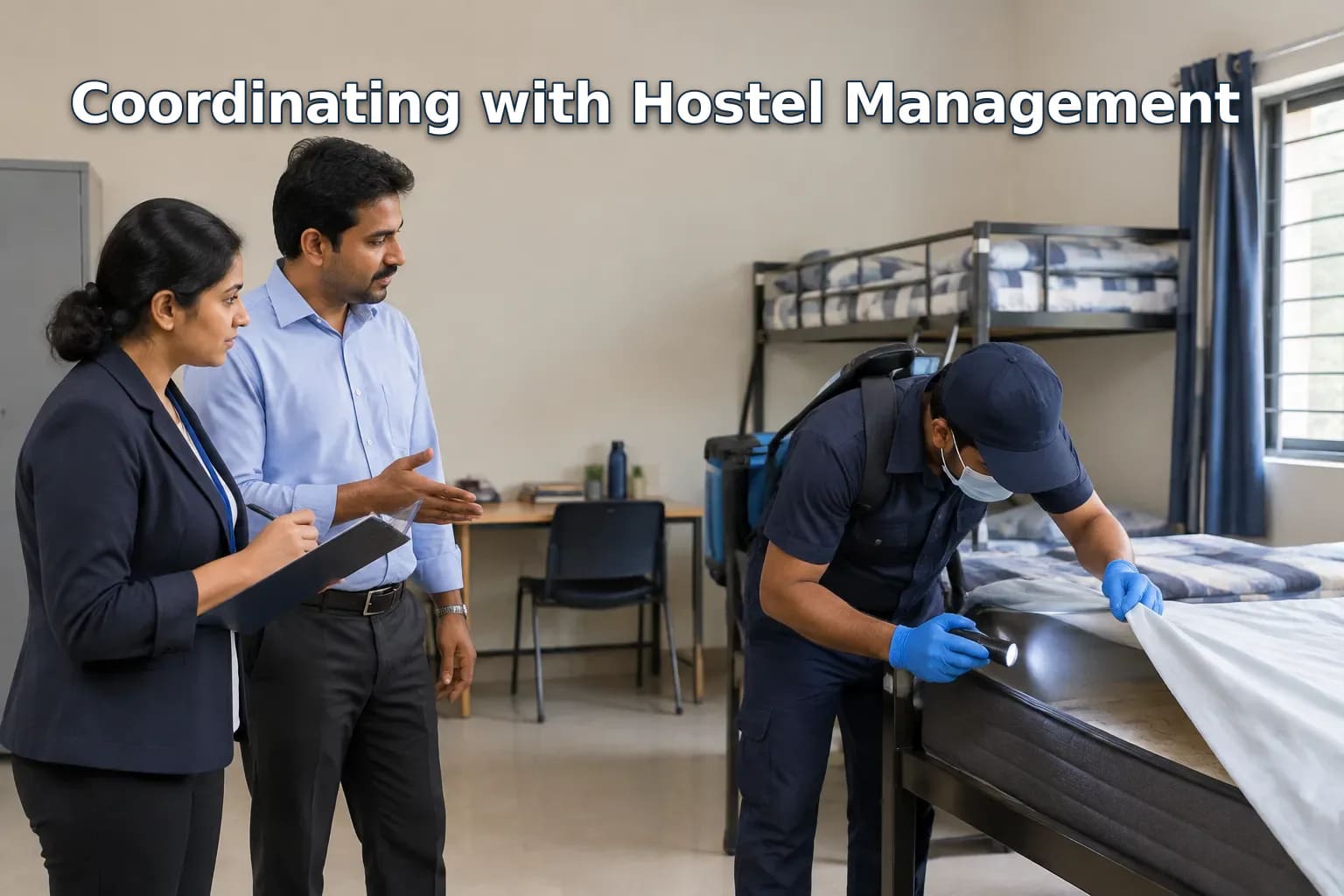
Efficient bed bug management in a hostel setting requires cooperation between residents and management. Residents should report suspected infestations immediately and support access for inspections and treatment. Management, in turn, should organize professional Bed Bug Pest Control Near You in Pune: What to Expect control inspections, communicate strategies clearly, and ensure regular follow-up checks.
Preventative Measures for Future Protection
Effective prevention includes regular inspections of rooms for signs of bed bugs, especially after new arrivals or student turnovers. Use protective mattress encasements, maintain a clean environment, and educate residents about the importance of checking clothing and luggage whenever they travel. Such measures reduce the chances of bringing bed bugs back into the community setting.
Common Mistakes and How to Avoid Them
Avoid relying on unproven home remedies like turmeric, baking soda, neem oil, and lavender spray, as they lack scientific support for eradicating bed bugs. Furthermore, unsafe use of household chemicals can present serious health risks and are ineffective at reaching hidden bed bug habitats. [Source: University of Kentucky]
Next Steps After Treatment
Post-treatment, maintain vigilance by monitoring affected areas for signs of resurgence. Schedule regular follow-ups with professional pest control to catch any secondary infestations early. Engage residents in maintaining a clutter-free environment and practicing preventive hygiene measures to deter future bed bug issues.
Frequently Asked Questions
What are the signs of a bed bug infestation?
Signs include live bed bugs, eggshells, fecal spots, and skins, usually found near bedding and furniture.
How can I prevent bed bugs from returning?
Regular inspections, protective encasements, and maintaining cleanliness help prevent bed bug re-infestation.
Should I hire a professional pest control service?
Professional services are often essential for large or persistent infestations due to bed bugs' resistance and survival capabilities.
Are bites enough to identify bed bugs?
No, bites alone cannot confirm a bed bug infestation because they resemble reactions from mosquitoes, fleas, or allergies. Physical evidence is required. [Source: CDC]
For persistent or widespread infestations, consider exploring bed bug treatment services for thorough harborage detection and compliant application methods.
Suspecting Bed Bugs in Your Home?
Still finding physical signs of bed bugs or waking up with unexplained bites? Request a thorough inspection to determine the exact extent of the infestation and explore targeted, integrated treatment options.
References & Verified Sources
- Bed Bugs FAQs: Signs and Symptoms — Centers for Disease Control and Prevention (CDC). Supports: Bite marks alone cannot confirm a bed bug infestation because bites closely resemble reactions from mosquitoes, fleas, or allergies; physical evidence (live bugs, cast skins, fecal spots, or eggshells) is required for confirmation.
- Non-odorless treatment of Bed Bugs — US Environmental Protection Agency (EPA). Supports: Washing infested clothing and bedding in hot water followed by drying at high heat for at least 30 minutes effectively kills all bed bug life stages present on fabrics.
- Using Steam for Bed Bug Control — Virginia Tech Entomology Extension. Supports: Steam treatments deliver intense surface heat that kills bugs and eggs upon direct contact, but steam cannot penetrate deep inside structural wall voids or dense furniture without specialized professional equipment.
- Thermal Death Point for Bed Bugs — Purdue University Department of Entomology. Supports: Sustained lethal odorless treatment requires controlled temperatures of 48°C to 50°C (118°F to 122°F) maintained for a specific exposure duration to ensure complete penetration into mattresses, crevices, and voids.
- Integrated Pest Management for Bed Bugs — US Environmental Protection Agency (EPA). Supports: Because bed bug eggs can hatch 6 to 10 days after an initial treatment and bed bugs possess natural behavioral resistance, professional eradication typically requires an integrated multi-visit approach with follow-up monitoring.
- Debunking DIY Bed Bug Home Remedies — University of Kentucky Department of Entomology. Supports: Home remedies such as turmeric, baking soda, neem oil, and lavender spray have no scientific evidence demonstrating the ability to eliminate or control an established bed bug infestation.
Need Immediate Bed Bug Relief in Your Home?
BedBugsTreatment.co.in offers government-approved chemicals, same-day inspection visits, and a 12-month service warranty across India.